In today's fast-paced world, eye health often takes a backseat. Yet, with rising awareness, many are exploring the benefits of UV Protection Contact Lenses. Dr. Emily Hart, an ophthalmologist and advocate for eye care, states, "Protecting our eyes from harmful UV rays is crucial for long-term health." This highlights the significant role these lenses play.
UV Protection Contact Lenses do more than correct vision; they shield your eyes from ultraviolet rays. Recent studies indicate that prolonged exposure to UV light can lead to various eye conditions, such as cataracts. Many wearers appreciate the added layer of protection offered by these lenses.
Adopting a new lens type may seem daunting. Concerns about comfort and efficacy can arise. However, with advancements in lens technology, wearers now enjoy improved options. It's essential to remain informed and consult with eye care professionals. Taking the time to understand these products can lead to healthier eyes and a brighter future.
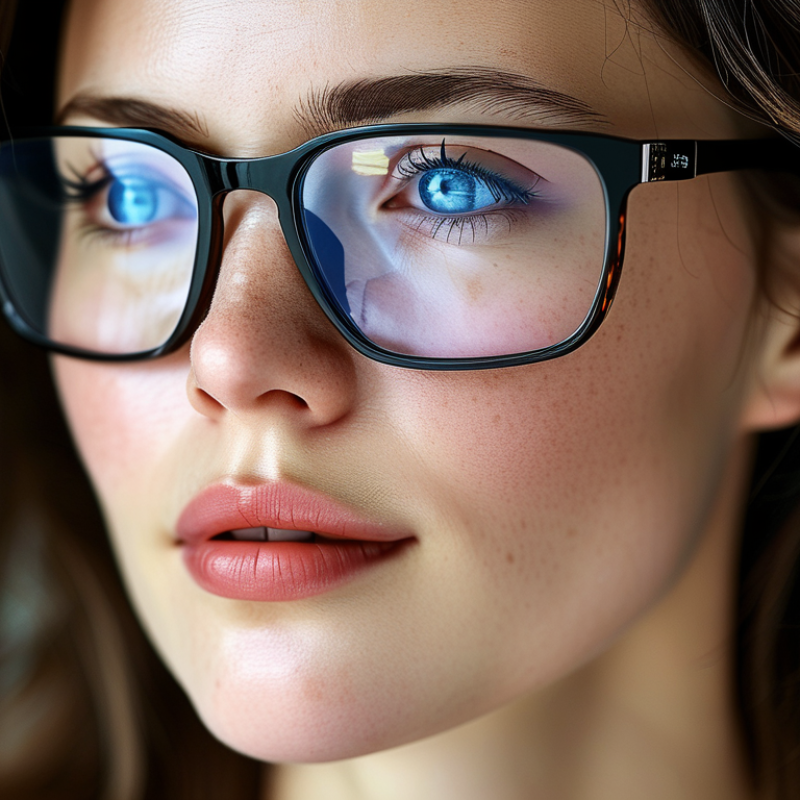
UV protection in contact lenses is essential for maintaining eye health. Research indicates that up to 20% of cataracts are linked to UV exposure. The eyes can be vulnerable to harmful rays, especially during outdoor activities. Lenses that block UV rays can significantly reduce the risk of eye damage. This protection can be crucial for people who spend extended hours under the sun.
A study from the American Optometric Association highlights that even on cloudy days, 80% of UV rays can penetrate the atmosphere. Daily UV exposure adds up over time. Therefore, choosing contact lenses with UV filtering capabilities is a proactive step for long-term eye care. Transparency in labeling helps consumers make informed choices regarding UV protection.
Some individuals may assume that wearing regular eyewear is sufficient. However, this belief is misleading. Standard lenses may not offer comprehensive UV coverage. While many sunglasses provide significant protection, combining them with UV-blocking contact lenses adds an extra layer of safety. Eye care professionals recommend regular eye exams and proper lens care. This can lead to better eye health outcomes in the long run. Proper education about UV protection is necessary for everyone.
| Lens Type | UV Protection Level | Wearing Schedule | Material | Water Content |
|---|---|---|---|---|
| Daily Disposable | High UV Protection | Daily | Hydrogel | 55% |
| Monthly | Moderate UV Protection | Monthly | Silicone Hydrogel | 38% |
| Extended Wear | High UV Protection | Up to 30 days | Silicone Hydrogel | 54% |
| Toric | Moderate UV Protection | Monthly | Hydrogel | 45% |
UV radiation poses significant risks to eye health. Prolonged exposure can lead to cataracts, macular degeneration, and even skin cancer around the eyes. The World Health Organization estimates that up to 20% of cataracts are linked to UV exposure. Understanding these dangers is crucial for protecting your vision.
Employing UV protection measures is vital. Consider sunglasses with UV400 protection when outdoors. These sunglasses block 99% of harmful UV rays. Many people forget about UV protection while wearing contact lenses. Some lenses now offer UV blocking features, providing an added layer of defense. However, relying solely on contact lenses is not enough.
Tips for enhancing eye safety include frequent eye exams to monitor UV-related issues. Limiting sun exposure from 10 a.m. to 4 p.m. helps reduce risk. Wearing a wide-brimmed hat can also shield your eyes from direct sunlight. Remember, while UV-blocking contact lenses offer protection, it's essential to combine them with sunglasses and regular check-ups for comprehensive eye care.
When considering contact lenses, understanding UV protection is vital. Some lenses offer various levels of UV-blocking capabilities. This protection can help reduce the risk of developing eye conditions linked to sun exposure. It is essential to look for lenses specifically designed to provide UV protection.
Types of UV protection vary across different lenses. Some blocks UVB rays, while others focus on UVA rays. Ideally, look for lenses that prioritize both UVB and UVA protection. Also, note that UV protection in contact lenses should not replace sunglasses. Sunglasses offer additional protection that contact lenses alone might not provide.
While UV protection is helpful, it's not foolproof. Some people may still experience sun damage. Regular eye check-ups are necessary, especially for those who spend long hours outdoors. Remember to assess your lifestyle to determine the right level of UV protection needed for your eyes. Prioritize your eye health by making informed choices about contact lenses.
This chart illustrates the different levels of UV protection offered by various types of contact lenses. It's essential to consider these factors to ensure healthier eyes when choosing contact lenses.
When choosing contact lenses with UV protection, it’s essential to understand industry standards. UV protection in lenses is crucial for eye health. Most lenses offer a degree of UV blocking, but they vary widely. It's important to check the specific ratings provided by manufacturers, as these indicate how effective the lenses are at blocking UV rays.
The American National Standards Institute (ANSI) sets benchmarks for UV protection in contact lenses. According to their guidelines, lenses should block at least 95% of UVA and 99% of UVB rays. However, many lenses do not meet these standards. This discrepancy can leave wearers vulnerable to harmful UV exposure. Therefore, it’s advisable to seek lenses that explicitly mention compliance with these standards.
Additionally, users should be aware that UV protection in lenses does not replace sunglasses. Wearing sunglasses is still necessary for comprehensive eye protection. Some lenses focus only on aesthetic performance. As a result, practitioners may need to emphasize the importance of selecting high-quality lenses. Regular check-ups can also help ensure that your lenses maintain their protective properties over time.
In recent years, UV protection in contact lenses has gained significant attention. Many consumers are unaware that their eyes can be at risk from harmful UV rays. A study by the American Optometric Association indicates that long-term UV exposure can lead to eye conditions like cataracts and macular degeneration. This highlights the importance of incorporating UV-filtering technologies in contact lenses.
Several top brands in the industry have begun to prioritize UV protection alongside comfort and vision clarity. Notably, reports show that around 30% of users express concern about UV exposure when wearing lenses. These brands now offer products designed to block a significant percentage of UVA and UVB rays, enhancing eye safety without compromising comfort. While these lenses provide a layer of protection, they are not a replacement for sunglasses, which cover the entire eye area.
It's essential to consider variable factors when choosing protective lenses. Studies indicate that not all lenses offer the same level of UV filtration. This inconsistency can leave some users vulnerable. Additionally, comfort and fit are paramount, as users often report discomfort when transitioning between different brands. Finding the right combination of protection and comfort may require some trial and error.
: UV protection helps maintain eye health and reduces the risk of cataracts linked to UV exposure.
No, even on cloudy days, 80% of UV rays can still reach your eyes.
No, standard lenses often lack comprehensive UV coverage compared to UV-blocking contact lenses.
Check labels for UV ratings. Look for lenses that block at least 95% UVA and 99% UVB rays.
Yes, sunglasses provide additional protection and should still be worn with UV-blocking contact lenses.
Regular eye exams are recommended to monitor eye health and lens effectiveness.
Look for industry standards compliance and transparency in labeling. Quality matters.
No, the level of UV protection varies widely among different lenses.
You may remain vulnerable to harmful UV exposure, risking long-term eye damage.
Yes, awareness and understanding can significantly improve overall eye health and safety.
UV Protection Contact Lens plays a crucial role in maintaining eye health by shielding against harmful ultraviolet (UV) radiation. UV exposure can lead to various eye problems, including cataracts and macular degeneration. Therefore, selecting contact lenses with UV protection features is essential for minimizing these risks.
Understanding the different types of UV protection available in contact lenses helps consumers make informed choices. Key industry standards ensure that UV protection capabilities meet safety guidelines. By exploring various brands that offer UV protection in contact lenses, users can find the most suitable options to enhance their eye health while enjoying the benefits of convenient vision correction.

Chroma Lenses