How to Choose the Best Prescription Contact Lens for You?

Time:2026-06-13 Author:Madeline
0%

Choosing the right Prescription Contact Lens can significantly impact your vision and comfort. Dr. Emily Carter, an optometry specialist with over a decade of experience, emphasizes, "Finding the perfect lens is not just about vision correction; it's about enhancing your daily life." When selecting a contact lens, it’s essential to consider various factors. The lens material, fit, and your lifestyle play critical roles in your decision.

Many people overlook the importance of consulting an expert. A thorough eye exam is crucial. Knowing your prescription details and understanding corneal curvature will ensure a better fit. What often happens is that individuals rush into decisions based on price or brand rather than comfort. This can lead to eye strain or inadequate vision correction.

Moreover, the type of lens—whether daily disposables or extended wear—should suit your routine. It's a nuanced choice, and what works for one might not be ideal for another. An informed decision requires careful consideration. Understanding your needs and preferences will guide you to the best Prescription Contact Lens. Take time to reflect on these aspects before making your selection.
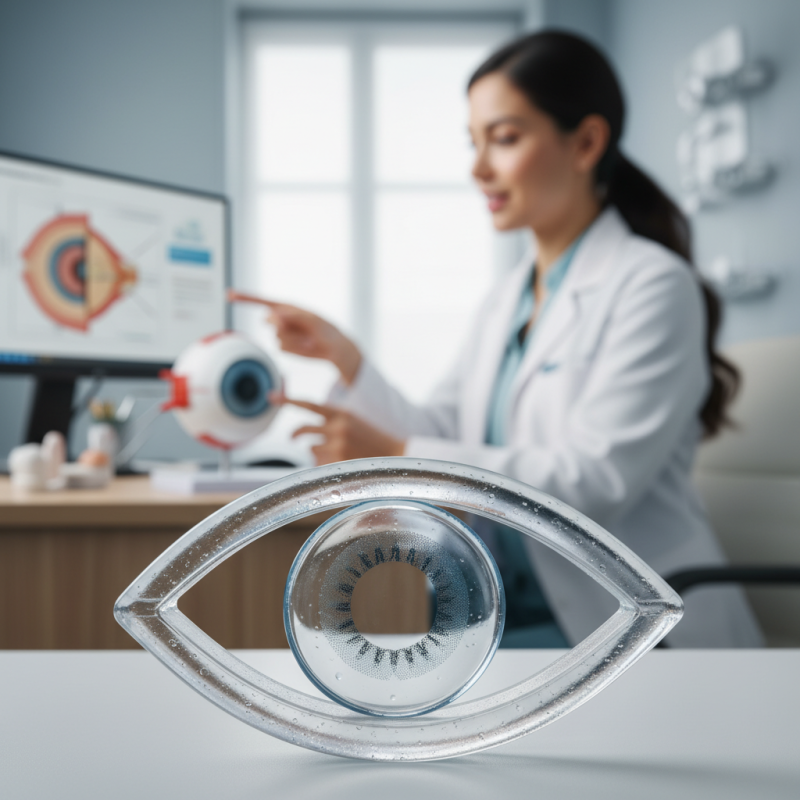
How to Choose the Best Prescription Contact Lens for You?

Understanding Your Vision Needs and Prescription Requirements

When choosing prescription contact lenses, understanding your vision needs is crucial. Everyone’s eyes differ in shape and size. Some may need lenses for astigmatism, while others may require multifocal options. Evaluate your lifestyle too.

Do you play sports? Are you often in front of a computer? These factors influence the type of lenses that may suit you best.

Next, consider your prescription requirements. Consult with an eye care professional to determine your exact needs. They can provide insights on the best material for your lenses. For instance, some people prefer daily disposables for convenience, while others may choose extended wear options. It's vital to know your eye health status, as conditions like dryness or sensitivity impact your choices.

Be mindful that what works for one person may not work for you. Regular follow-ups can ensure you make necessary adaptations based on changing prescriptions or comfort levels.

Types of Prescription Contact Lenses Available on the Market

When selecting prescription contact lenses, understanding the types available is crucial. The most common types include soft lenses, rigid gas-permeable (RGP) lenses, and specialty lenses. According to the American Optometric Association, about 90% of contact lens users prefer soft lenses due to their comfort and ease of use. Soft lenses are also available in various designs, including daily disposable and extended wear options.

Rigid gas-permeable lenses offer a different experience. They can provide sharper vision than soft lenses and are more durable. However, they require an adjustment period. A report from the Contact Lens Society of America states that these lenses account for approximately 5% of the market. Specialty lenses, including toric lenses for astigmatism and multifocal lenses for presbyopia, meet specific needs. They represent a growing segment, catering to more complex vision requirements.

Finding the right lens type can feel overwhelming. Different eyes have different needs. It's essential to consult with an eye care professional to determine what suits you best. A study found that about 40% of wearers switch lenses within six months. Comfort matters, but so does getting the right prescription for your unique vision. Poor choices can lead to dry eyes or discomfort. Understanding your options is vital for a better experience.

Types of Prescription Contact Lenses Available on the Market

Factors to Consider When Choosing the Right Contact Lens

Choosing the best prescription contact lenses can be overwhelming. There are critical factors to consider that directly impact comfort and vision quality. Collecting data from recent optometric studies, it’s found that around 41% of lens wearers experience discomfort due to incorrect lens selection.

The first factor is your specific vision needs. Whether you need lenses for nearsightedness, farsightedness, or astigmatism, knowing your prescription is vital. Another important element is the lens material. Silicone hydrogel lenses are popular for their oxygen permeability. According to the American Academy of Ophthalmology, these lenses allow 5 times more oxygen to reach the cornea compared to regular soft lenses.

Tip: Consult with your eye healthcare provider for personalized recommendations based on your lifestyle. If you work long hours at a computer, for example, consider lenses designed for screen use.
Consider your wearing schedule too. Daily wear lenses offer flexibility; weekly or monthly options can be cost-efficient. However, they require a more disciplined cleaning regimen. Studies indicate that improper lens care is a common issue, leading to discomfort or infections.

Tip: Maintain a routine and use recommended cleaning solutions. Regular check-ins with your eye specialist are also essential to keep your eye health in check.

Consulting with Your Eye Care Professional for Guidance

Choosing the right prescription contact lens is crucial for eye health and comfort. Consulting with an eye care professional provides essential guidance. These experts have the training and experience to help you make informed decisions about your lens options. Various factors influence their recommendations, including your vision needs and lifestyle factors.

According to a report by the American Optometric Association, about 45 million people in the U.S. wear contact lenses. An eye care professional can conduct a comprehensive eye exam, which includes assessing corneal curvature and tear film quality. Each patient is unique, and what works for one person may not suit another. The findings from your exam will directly impact the type of lenses that are best for you.

Moreover, many patients overlook potential issues like lens-related dryness or discomfort. A professional can address common concerns and help you find solutions. They can guide you through different materials and designs, ensuring optimal fit and vision clarity. It's essential to revisit your eye care professional regularly to reassess your lenses, as changes in vision or eye health can occur over time.

Maintaining and Caring for Your Contact Lenses Properly

Maintaining and caring for your contact lenses is crucial for eye health. Proper hygiene can prevent infections. A study published by the CDC states that 85% of serious eye infections are linked to improper lens care. Simple steps can make a big difference.

Always wash your hands before touching lenses. Use soap and water, then dry your hands with a lint-free towel. Avoid touching your lenses with dirty hands. It's easy to forget this step, but it is vital. Follow your eye care professional’s advice on cleaning solutions. Not all solutions are created equal.

Regularly replace your contact lens case. It can harbor bacteria if not cleaned or replaced frequently. Studies show that cases older than three months are much more likely to contain harmful pathogens. Clean your case with solution, not water, and let it air dry. This proactive approach can lead to healthier lenses and clearer vision. Consider taking breaks from lenses to reduce eye strain. Your eyes need time to breathe and recover.

How to Choose the Best Prescription Contact Lens for You? - Maintaining and Caring for Your Contact Lenses Properly

Lens Type Material Wearing Schedule Oxygen Permeability Compatibility with Eye Conditions
Spherical Lenses Hydrogel Daily/Wear Low Good for most users
Toric Lenses Silicone Hydrogel Extended Wear High Corrects astigmatism
Multifocal Lenses Hydrogel/Silicone Hydrogel Daily Varies For presbyopia
Scleral Lenses Gas Permeable Extended Wear High For irregular corneas
Cosmetic Lenses Hydrogel Daily Low For aesthetic purposes

FAQS

: Why is it important to understand vision needs when choosing contact lenses?

: Everyone's eyes are different. Your shape and size may require specific lens types, like those for astigmatism.

What should I consider regarding my lifestyle when selecting lenses?

Activities like sports or computer use impact lens choice. Choose lenses that suit your daily activities for better comfort.

How can I determine my prescription requirements?

Consult with an eye care professional. They provide essential insights tailored to your unique eye health and needs.

What types of contact lenses are available?

Options include daily disposables and extended wear lenses. Choose based on convenience, comfort, and your wearing schedule.

What impact does lens material have on comfort?

The right material affects oxygen flow to your eyes. Silicone hydrogel lenses allow more oxygen than standard soft lenses.

How often should I consult my eye care professional?

Regular visits are crucial. Reassessments help address changes in your eyes or prescription to ensure optimal lens comfort.

What common issues might arise with contact lens use?

Problems like dryness or discomfort can occur. Consulting a professional helps manage these issues effectively and prevent complications.

What cleaning regimen is necessary for contact lenses?

Follow a disciplined cleaning routine. Using recommended solutions minimizes risk of infections and discomfort, crucial for healthy use.

Conclusion

Choosing the best prescription contact lens involves understanding your unique vision needs and prescription requirements. It is essential to recognize the different types of prescription contact lenses available on the market, including daily disposables, extended-wear lenses, and specialized options for conditions like astigmatism or presbyopia.

When selecting the right contact lens, consider factors such as the lens material, curvature, and your lifestyle preferences. Consulting with your eye care professional is crucial, as they can provide personalized recommendations based on your eye health and visual needs. Finally, maintaining and caring for your contact lenses properly is key to ensuring comfort and preventing eye infections. By taking these steps, you can find the perfect prescription contact lens that meets your needs effectively.

Madeline

Madeline

Madeline is a dedicated marketing professional with a wealth of expertise in our company's core offerings. With a keen understanding of the industry, she brings a unique perspective to her role, consistently delivering high-quality content that highlights the superior aspects of our products. As......