Explore our highly requested aesthetic lenses designed with pigment-locking technology for safety, breathability, and natural comfort.
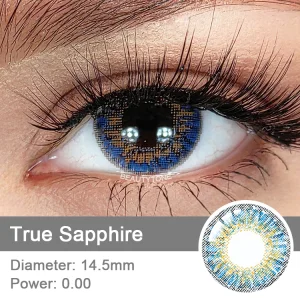
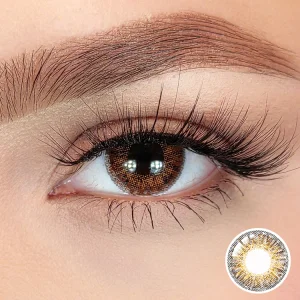

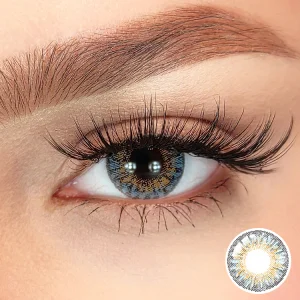


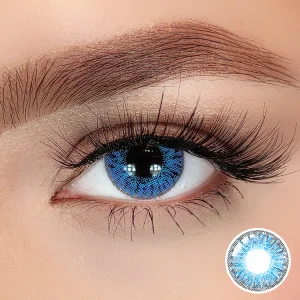
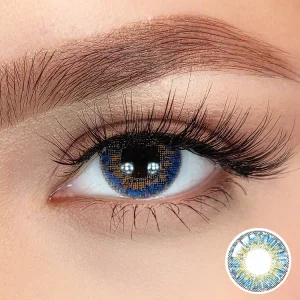
Guangzhou Chroma Lenses Technology Co., Ltd. is an industrial-scale manufacturer specializing in the R&D and mass production of high-quality contact lenses and cosmetic colored lenses.
Located in the manufacturing hub of Dongguan, China, we operate a fully integrated facility that bridges cutting-edge optical technology with robust supply chain capabilities. As a dedicated B2B partner, we specialize in OEM, ODM, and turnkey private-label solutions. From material compounding (Hydrogel/Polyhema) to bespoke pattern design and compliant blister packaging, Chic Contacts provides global distributors and vision care brands with unparalleled stability, scale, and safety.
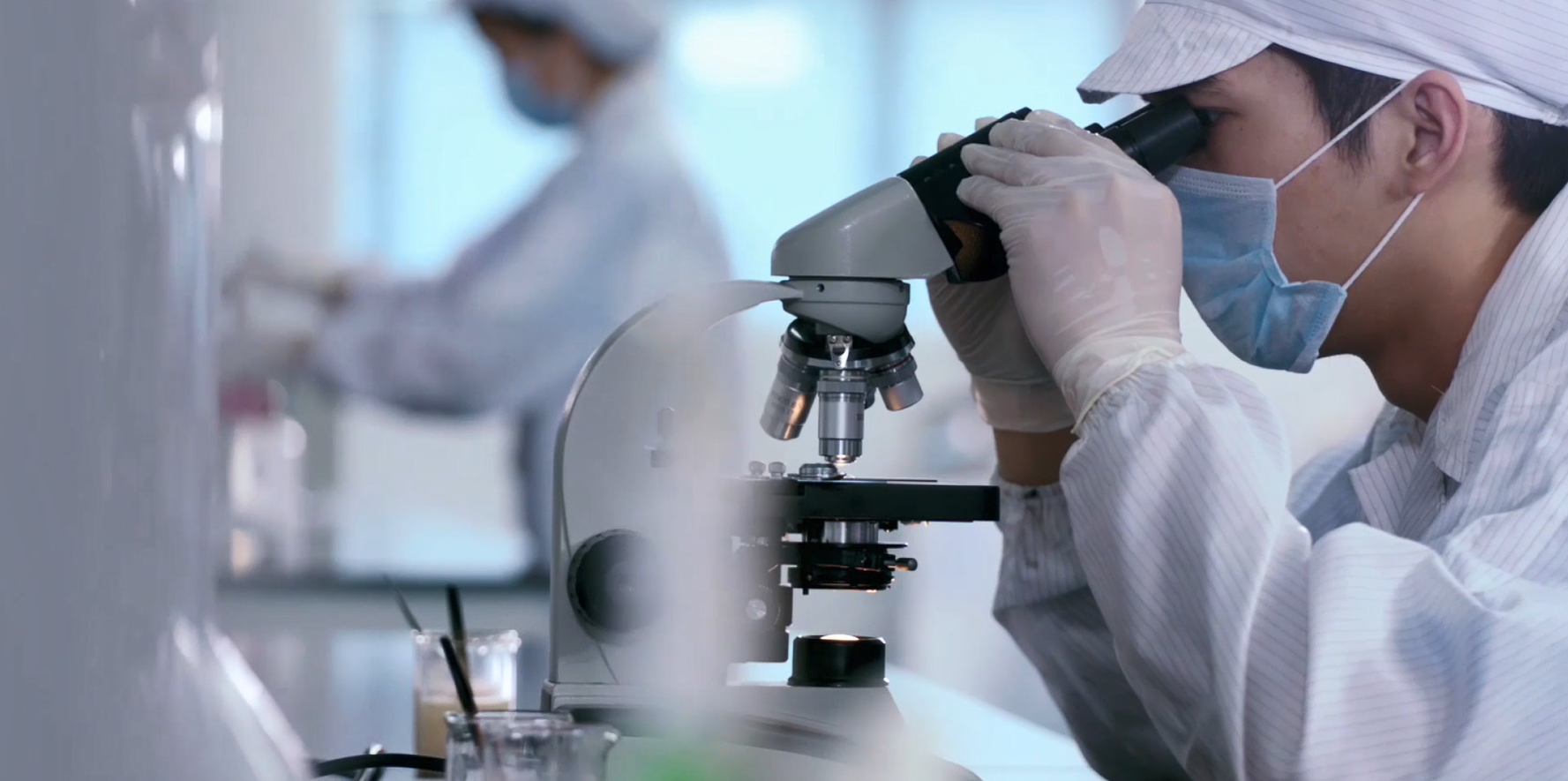
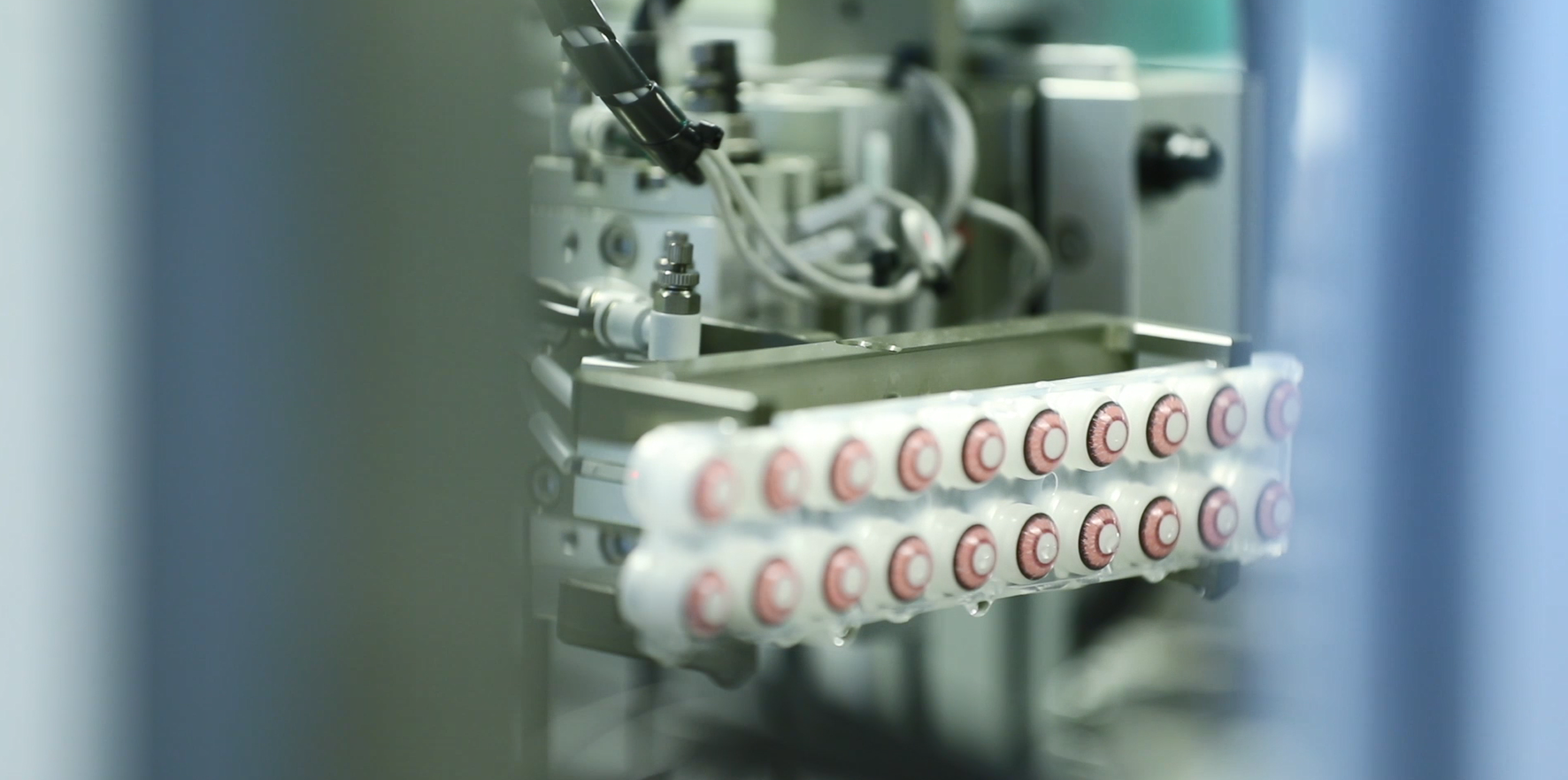
How Guangzhou Chroma Lenses utilizes automated control, lean operations, and integrated logistics to secure global distribution pipelines.
Our manufacturing center leverages state-of-the-art automation systems to standardize optical consistency across millions of units. By maintaining direct integration with local chemical and primary packaging materials suppliers in the Pearl River Delta, we achieve significant cost-efficiencies and speed-to-market compared to traditional optical manufacturers.
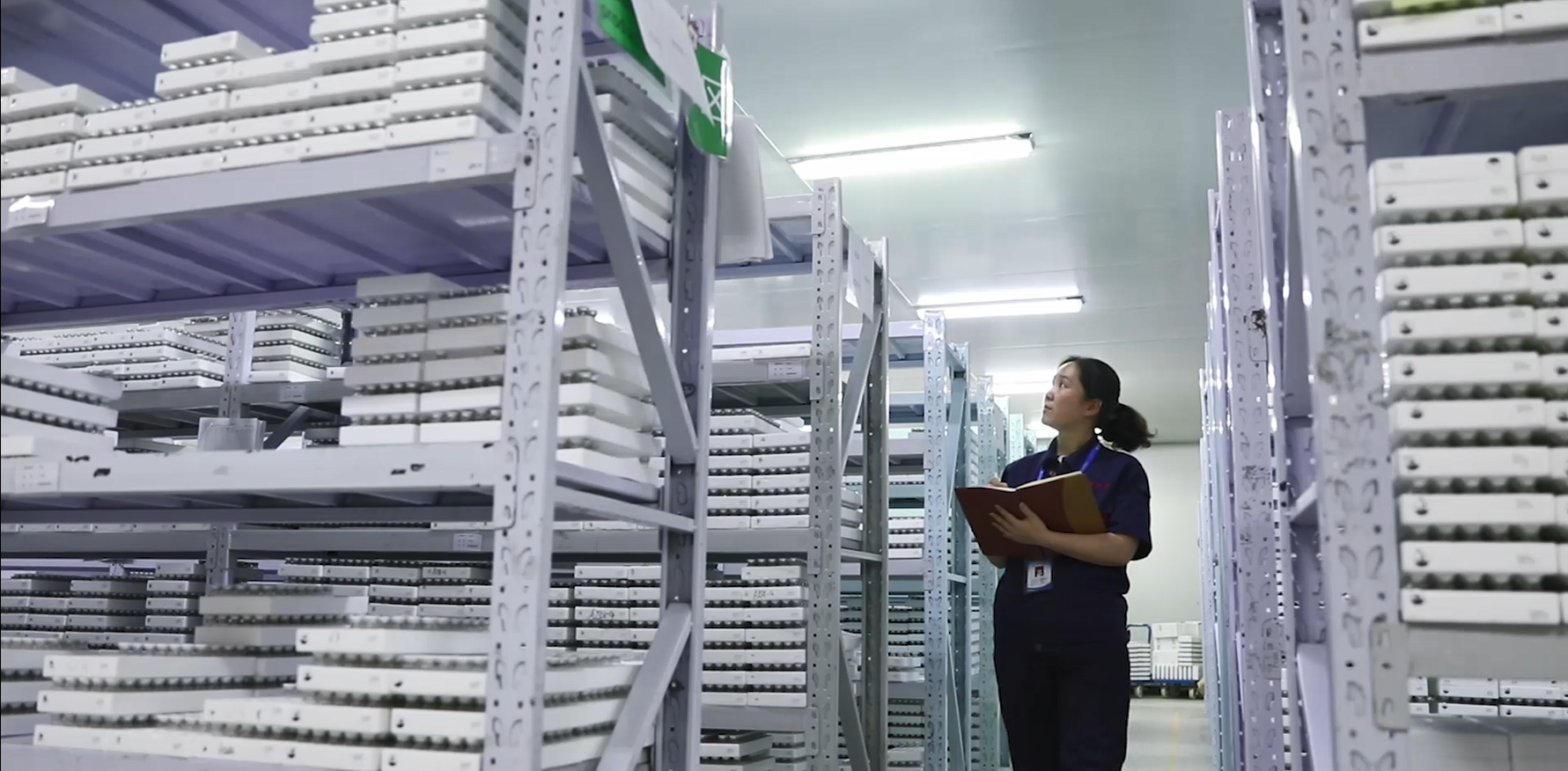
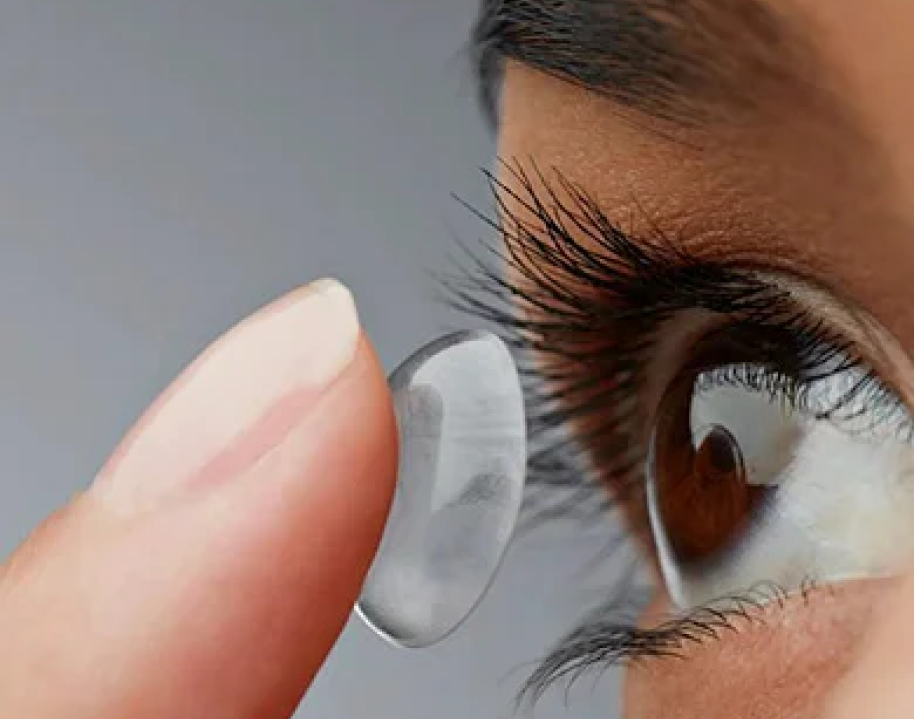
Every single lens undergoes a precise, traceably documented twelve-step manufacturing cycle to guarantee strict compliance and defect-free output.
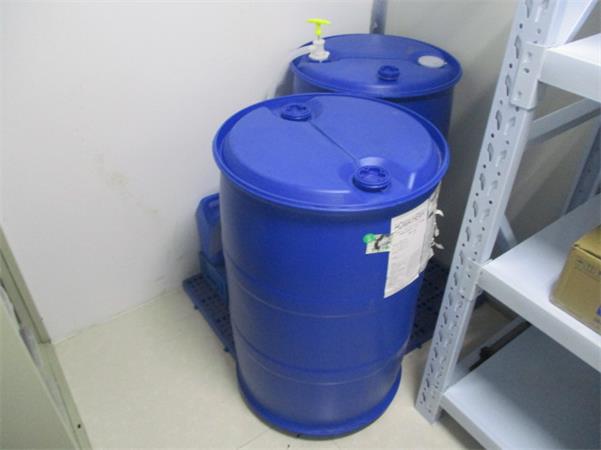
Raw Materials
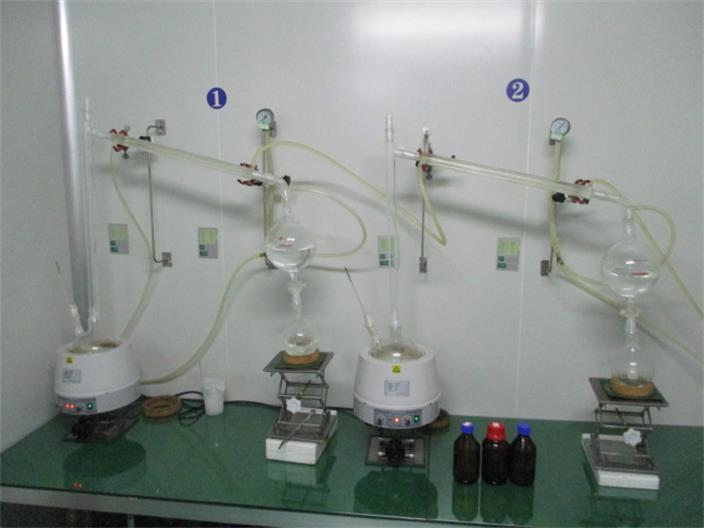
Purification
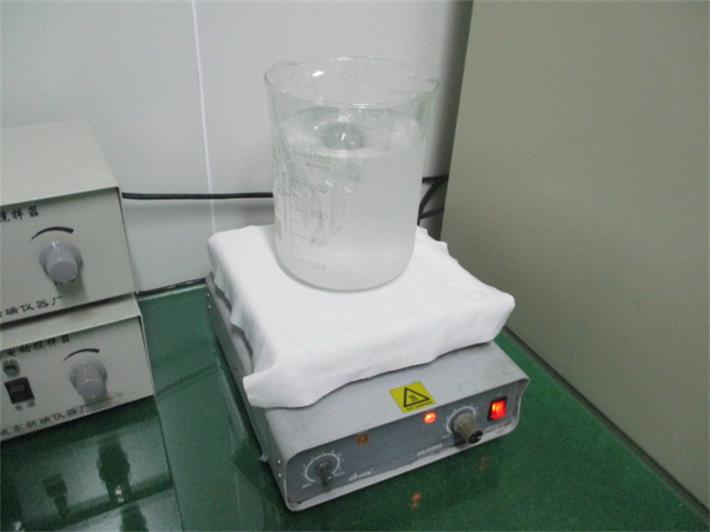
Ingredients
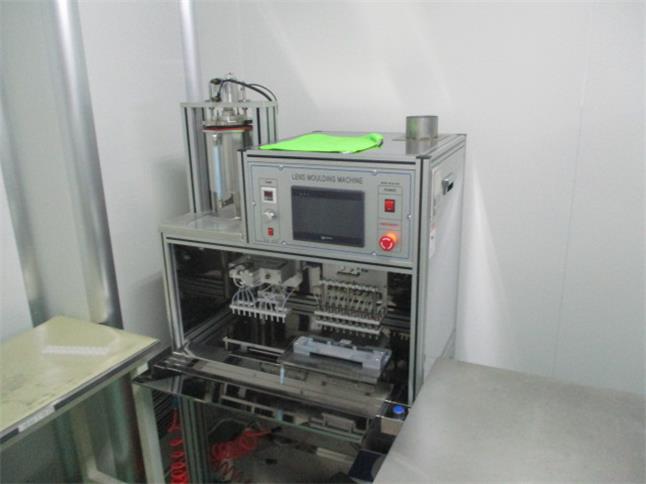
Filling
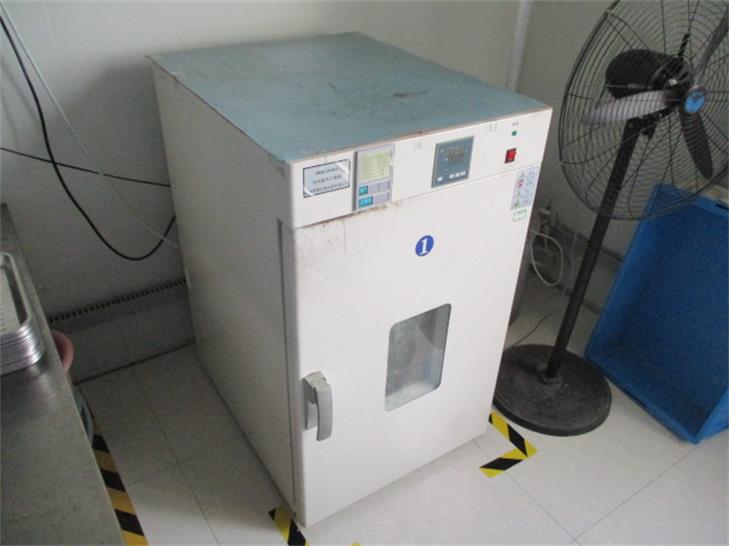
Curing
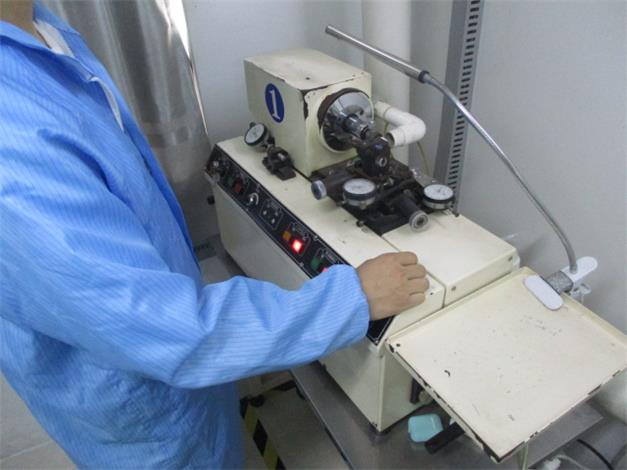
Machine Work
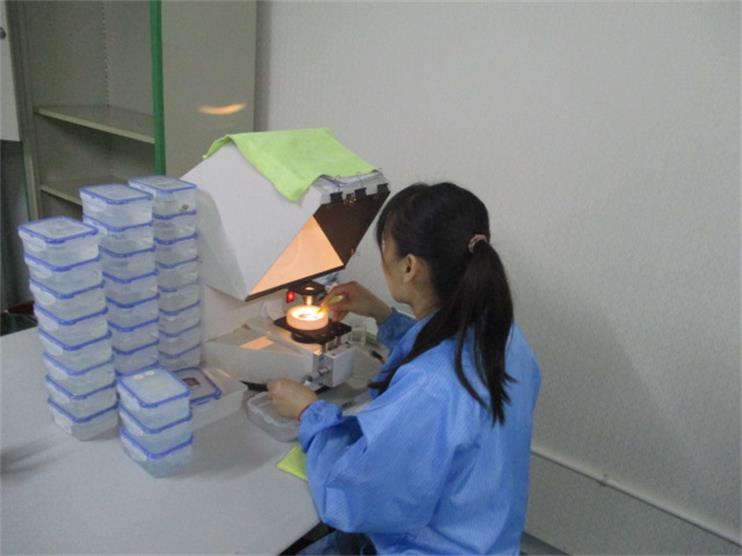
Projection Test
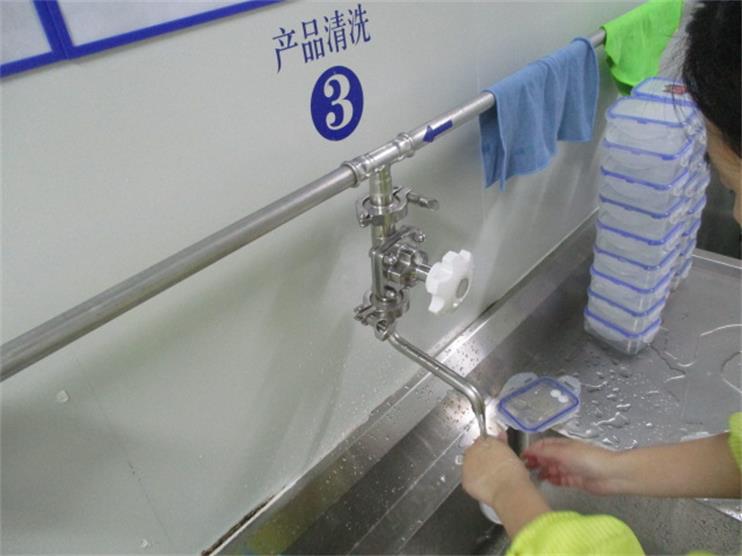
Cleaning
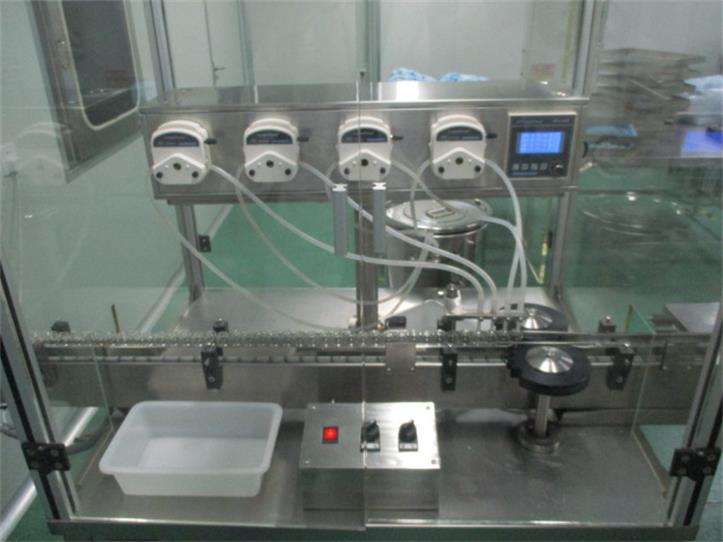
Canned
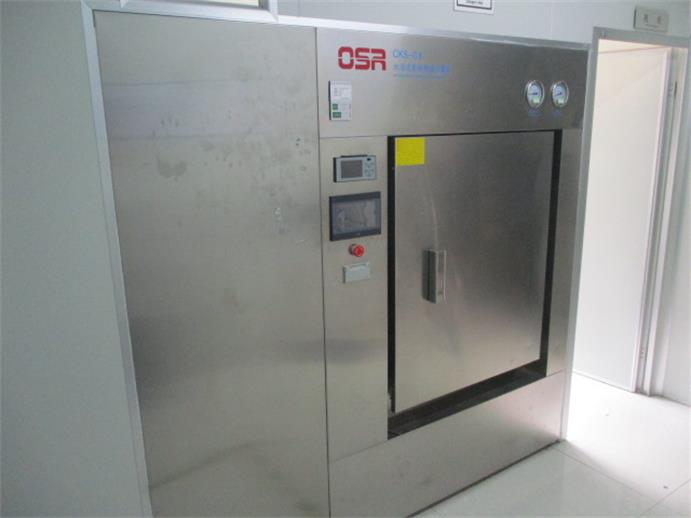
Sterilization
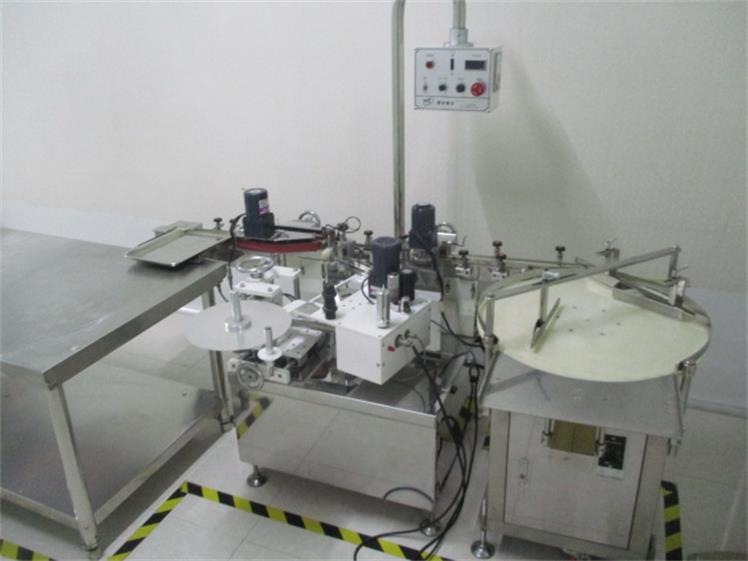
Packaging
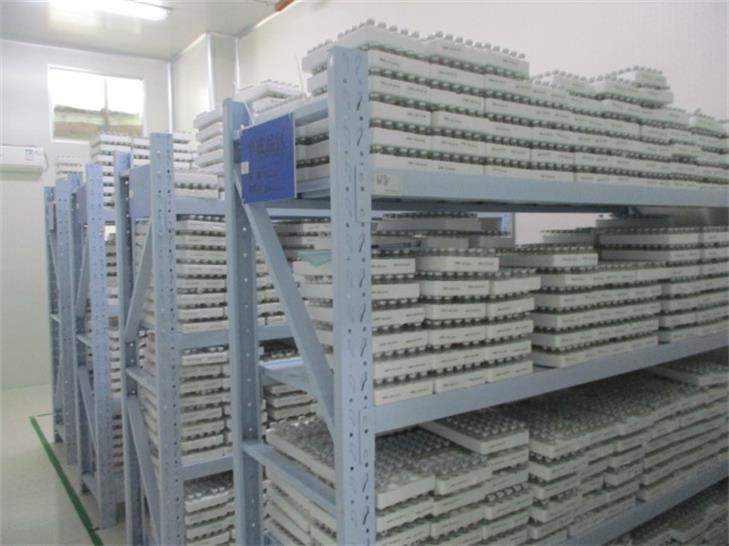
Lot Storage
High-precision diagnostic instruments utilized for thickness profiling, power accuracy validation, and osmotic compatibility analysis.
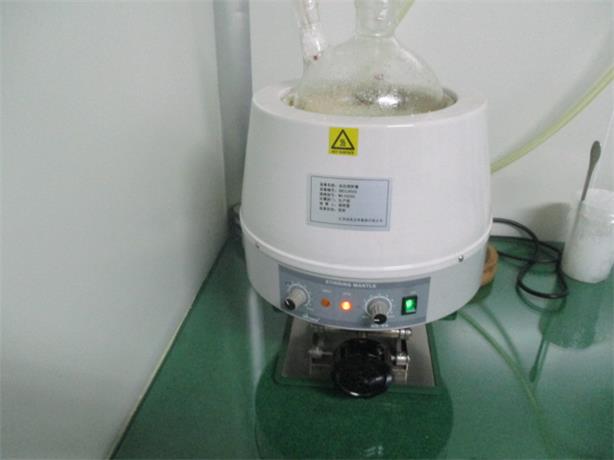
Stirring Mantle
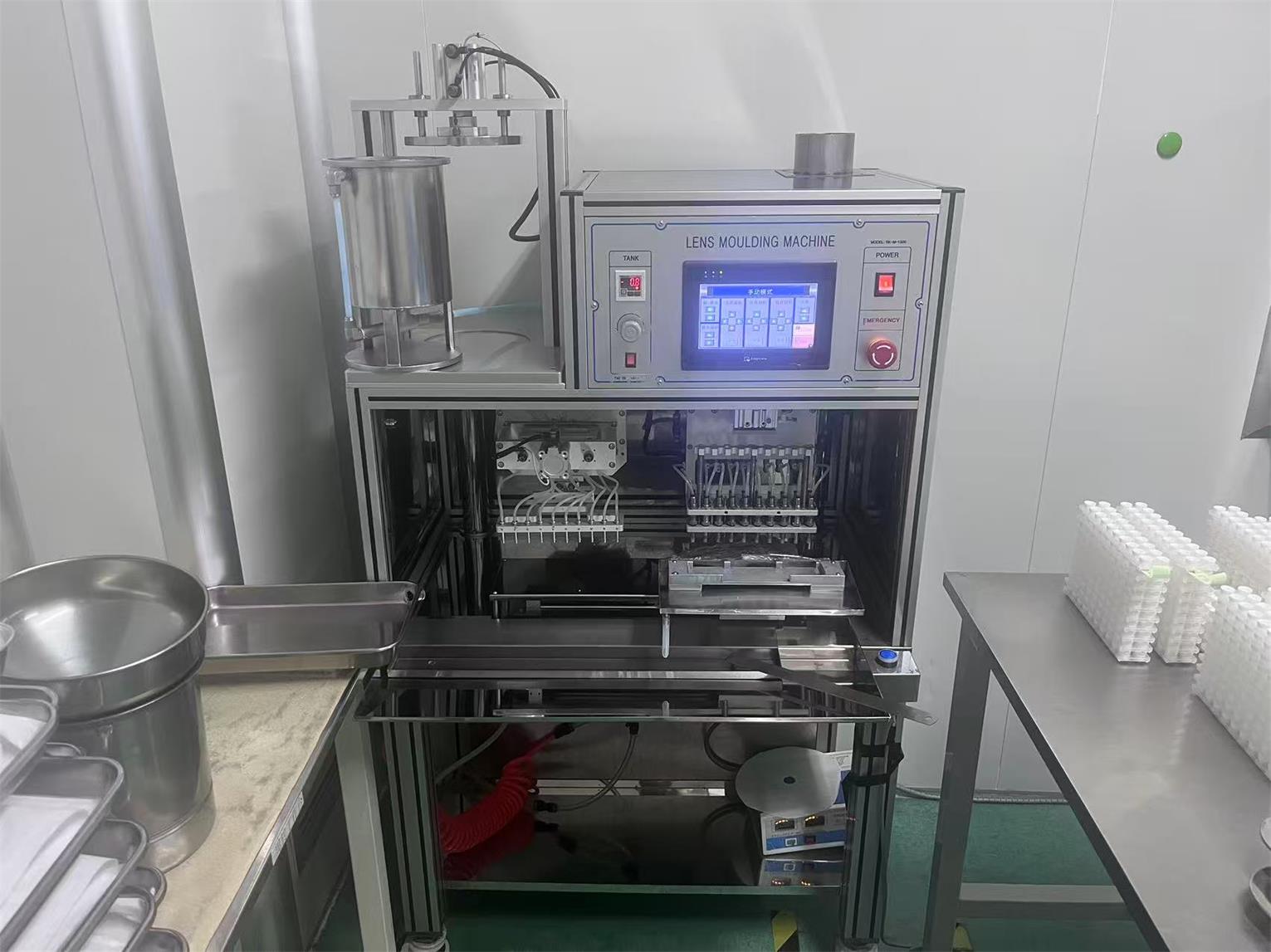
Lens Moulding Machine
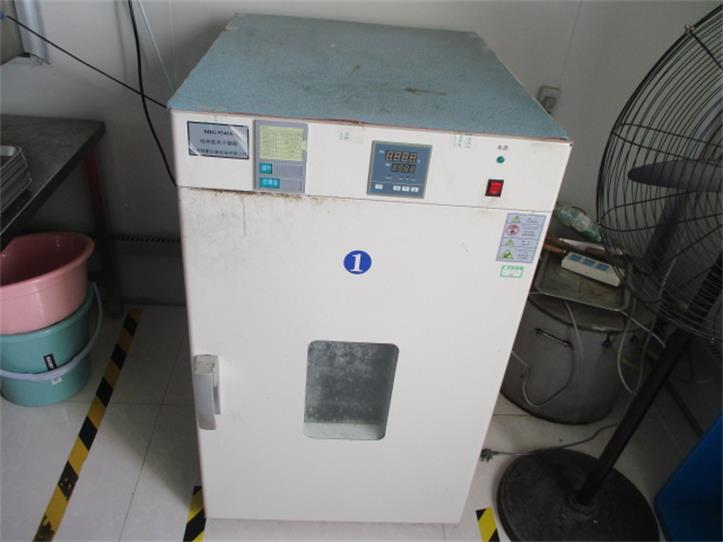
Electric Blast Drying Oven
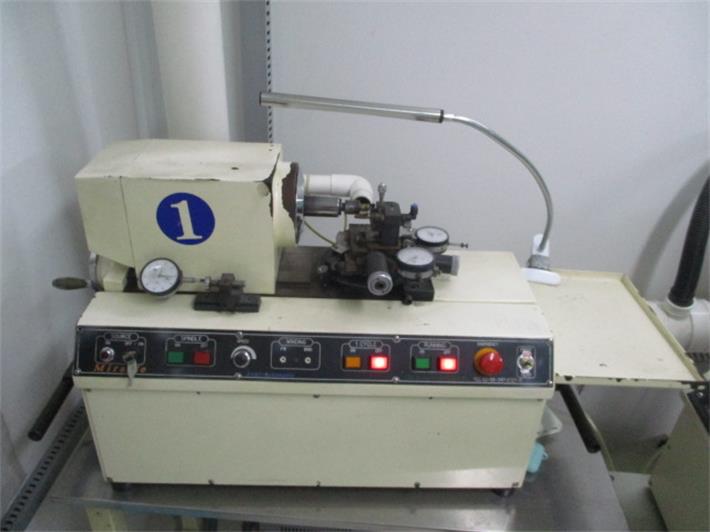
Precision Lathe
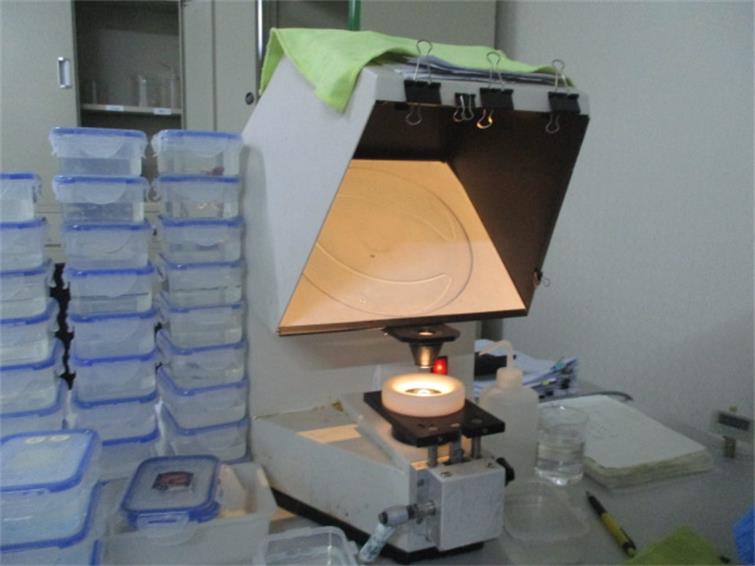
Projection Testing Instrument
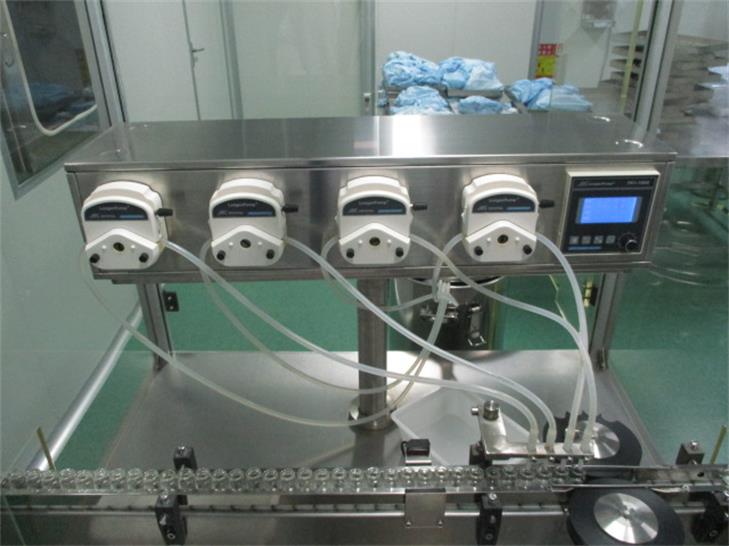
Liquid Tank Machine
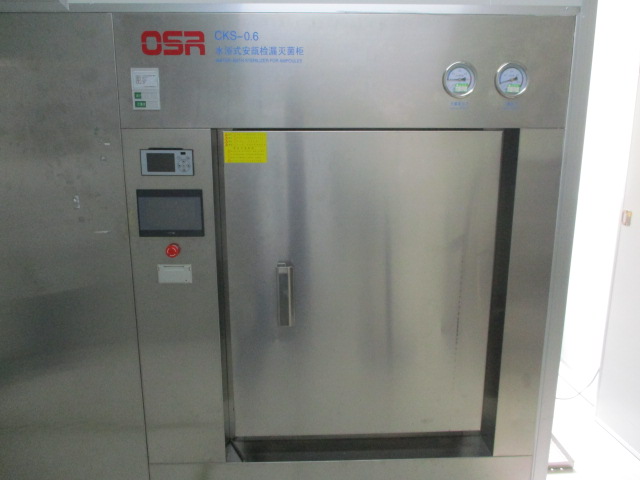
Water-Bath sterilizer For Ampoules
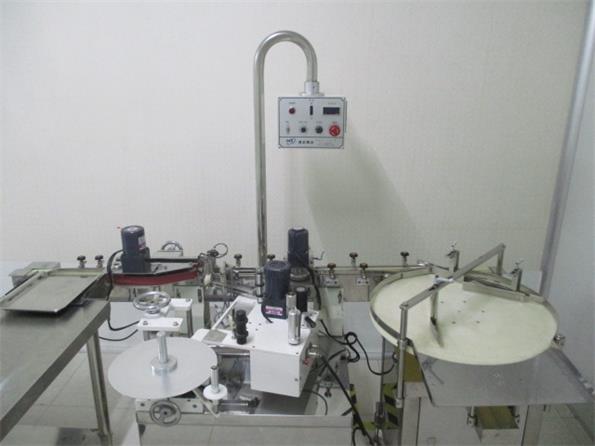
Labeling Machine
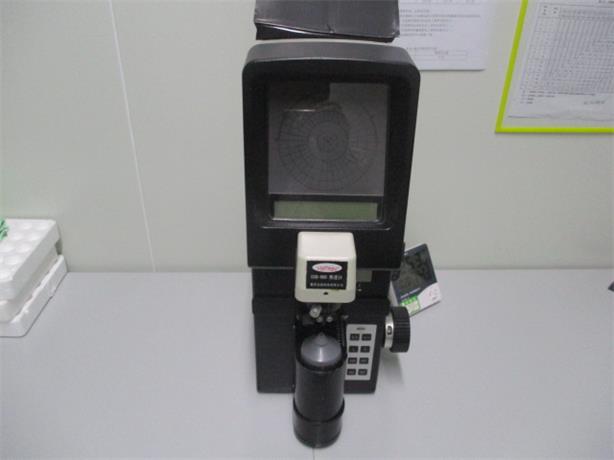
The Focal Meter
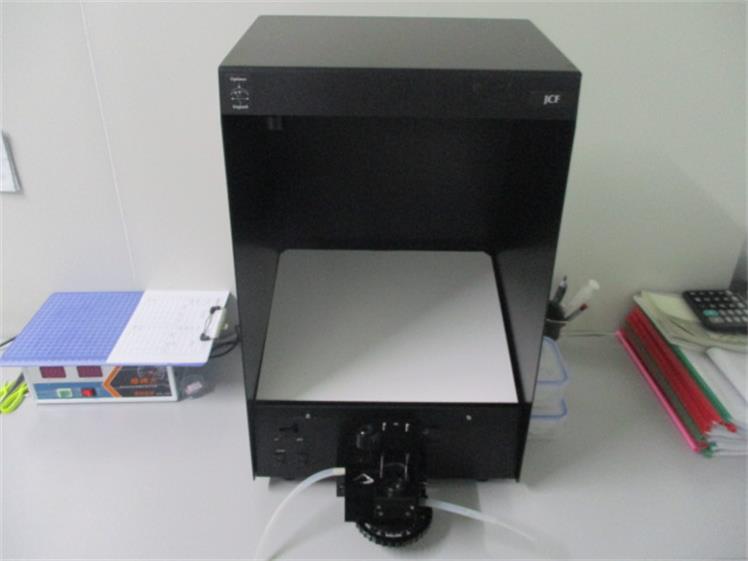
Contact Lens Tester
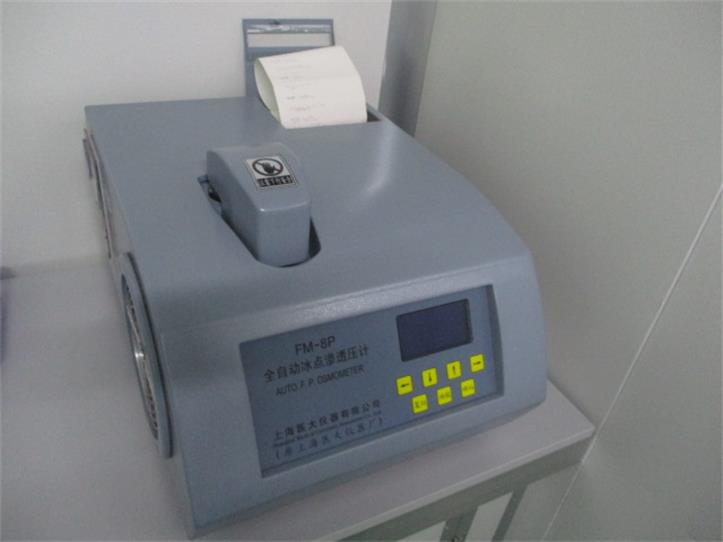
Auto.F.P.OSMOMETER
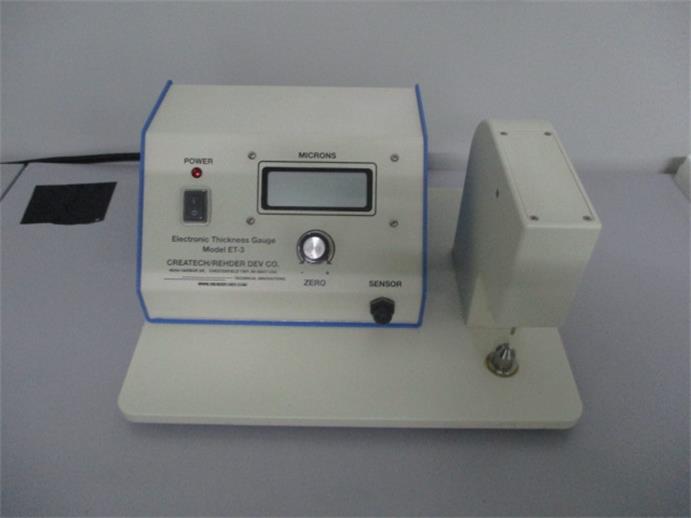
Electronic Thickness Gauge
How our R&D division is shaping the next generation of daily disposable contacts with structural polymer innovations.
We are transitioning our baseline polymer matrix to new silicone hydrogel materials that yield oxygen transmissibility (Dk/t) ratings above 120. This guarantees corneal health during prolonged wear schedules without compromising structural integrity or pattern stability.
Integrating phosphorylcholine (PC) technology directly onto the contact lens surface replicates the hydrophilic behavior of natural corneal membranes. This molecular binding prevents tear film breakdown, minimizing protein adsorption and chronic dry-eye issues.
Our engineering pipeline incorporates Class I UV blockers alongside high-energy visible (HEV) blue light absorbers inside the material compound. This delivers critical cellular protection against artificial screen fatigue and sunlight exposure.
From preliminary conceptual layout to automated digital printing plate manufacturing.

Design Process
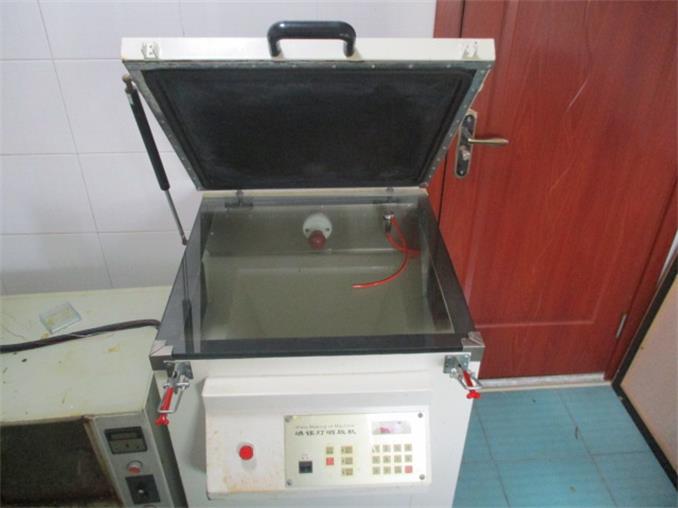
Plate Making
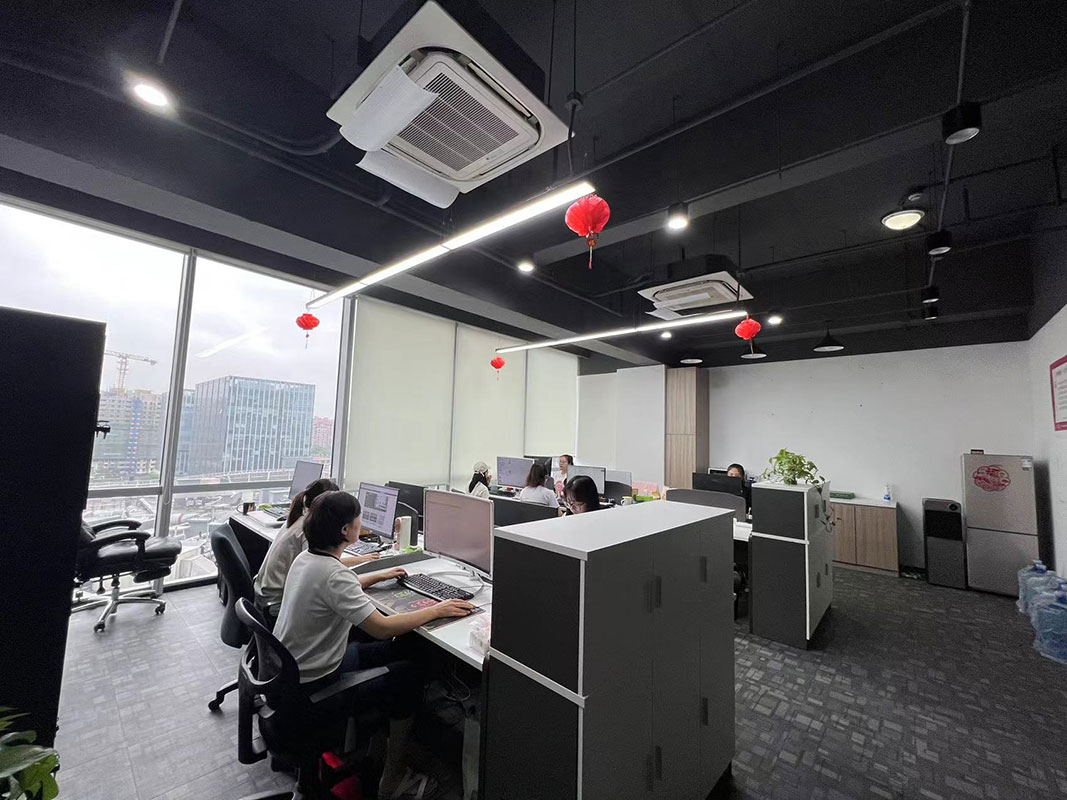
Mold Verification
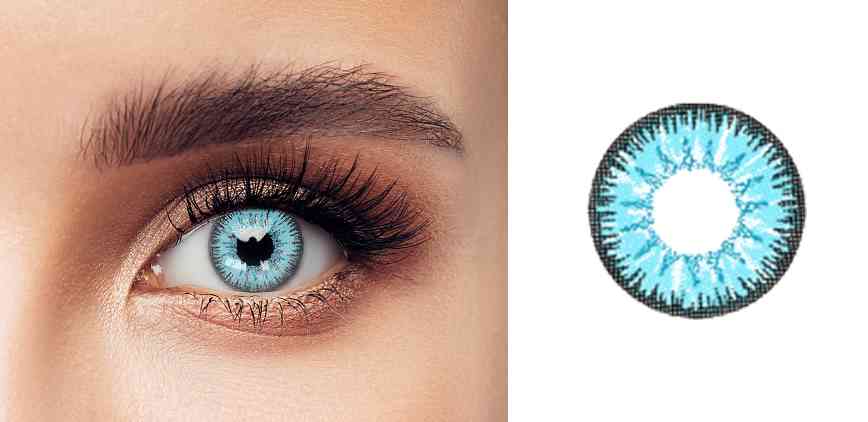
Plate Alignment
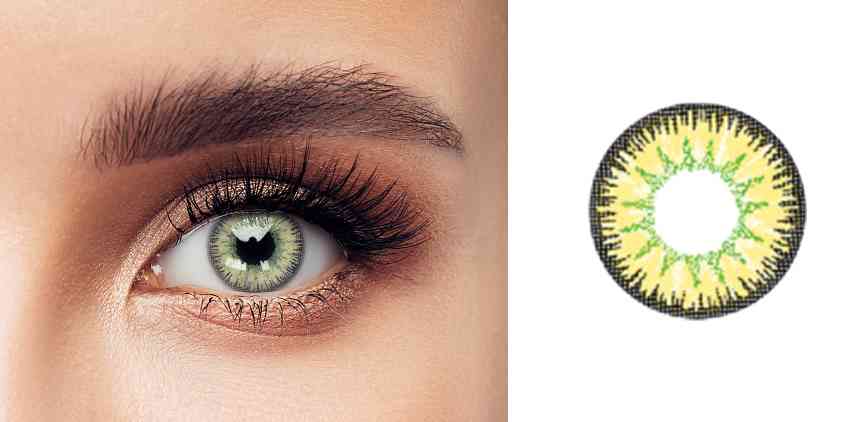
Color Deposition
Color Inspection

Spectra Verification
End-to-end B2B ecosystems that help global distributors, retailers, and medical institutions reduce time-to-market.
We manage every detail of your brand's regulatory compliance, structural packaging design, blister molding, and outer carton printing. Minimize development cycles using our pre-cleared, certified base materials.
Our modular, high-speed wet cast molding lines easily scale production. This structure lets us accommodate boutique aesthetic runs while maintaining the capacity needed for major retail brand launches.
We maintain a rigorous global audit trail to ensure our lenses meet strict medical device requirements across international markets.
| Target Region | Standard Certifications Required | Guangzhou Chroma Compliance Status | Audit Trail & Testing Specifications |
|---|---|---|---|
| European Union | CE MDR (2017/745), ISO 13485 | Fully Certified (Class IIa Medical Devices) | Biocompatibility (ISO 10993), Sterility Assurance (SAL 10⁻⁶) |
| United States | US FDA 510(k) Clearance | Compliant Device Master File (DMF) Registered | FDA Premarket Notification, Cytotoxicity & Systemic Toxicity Testing |
| Japan | PMDA Approval, MHLW Ordinance 169 | Approved manufacturing site status | Japan Industrial Standards (JIS T 0601), Quality Management Systems (QMS) |
| China Domestic | NMPA Class III Medical Device Registration | Registered with active production permits | National medical device safety testing and clinical trial validation |
Transparent production lead times, customizable packaging options, and shipping protocols built for international distributors.
| Procurement Stage | Timeframe / Target Spec | Deliverables & Details | Customer Action Required |
|---|---|---|---|
| 1. Sample Proofing | 7 - 14 Business Days | Provide physical prototype lenses and sterile blister packaging. | Provide high-resolution vector artwork files (.AI / .EPS). |
| 2. Quality Sign-off | Within 5 Days of Receipt | Certify optical parameters, water content, and edge comfort. | Formal inspection sign-off sheet. |
| 3. High-Volume Production | 30 - 45 Calendar Days | Wet cast molding, color printing, sterilizing, and bulk packaging. | Approve initial production deposit. |
| 4. Customs Clearance & Logistics | FOB / CIF / DDP (Global) | Prepare export paperwork, MSDS certifications, and shipping logs. | Assign import customs broker at port of entry. |
Crucial insights on materials, regulatory pathways, and technical specifications for B2B procurement managers.
Hydrogel materials like PolyHEMA rely on water content to transport oxygen, typically yielding Dk/t ratings of 20 to 30. Silicone hydrogels incorporate silicone matrices that allow oxygen to pass directly through the polymer, achieving Dk/t values above 100. This higher rating significantly reduces the risk of corneal hypoxia during extended wear.
We maintain an active Class IIa CE certificate under the Medical Device Regulation. This includes maintaining comprehensive technical documentation, carrying out systematic clinical evaluations, setting up post-market surveillance (PMS), and submitting to annual audits by our European Notified Body.
Our blister packs are sealed using medical-grade co-extruded foil alloys combined with polypropylene (PP) bases. Every seal undergoes automated heat and pressure monitoring. This ensures a sterile barrier that resists degradation and delamination for up to 5 years under normal storage conditions.
For new private-label designs, sample proofing and packaging validation take 15 to 20 days. Once the quality parameters and artwork are approved, mass production runs are completed within 30 to 45 days, depending on order volume and packaging complexity.
We polymerize hydrophilic monomers like NVP (N-vinylpyrrolidone) directly into our core material. This creates a low contact angle that helps the lens retain moisture, stabilizing the tear film and minimizing dry-eye symptoms over long periods of wear.
We use a sandwich encapsulation method. Pigment patterns are printed between polymer layers, meaning color elements never touch the cornea or palpebral conjunctiva. This prevents pigment migration and ensures wearing comfort.
Our cleanrooms feature automated focal meters and non-contact optical inspection systems. We verify back vertex power, base curve radius, and center thickness on every batch. Lenses that fall outside target tolerances are automatically rejected by our sorting systems.
Every lens compound undergoes systematic testing for cytotoxicity, systemic toxicity, ocular irritation, and sensitization. We conduct these evaluations in certified laboratories to ensure all raw materials are completely safe for direct ocular contact.
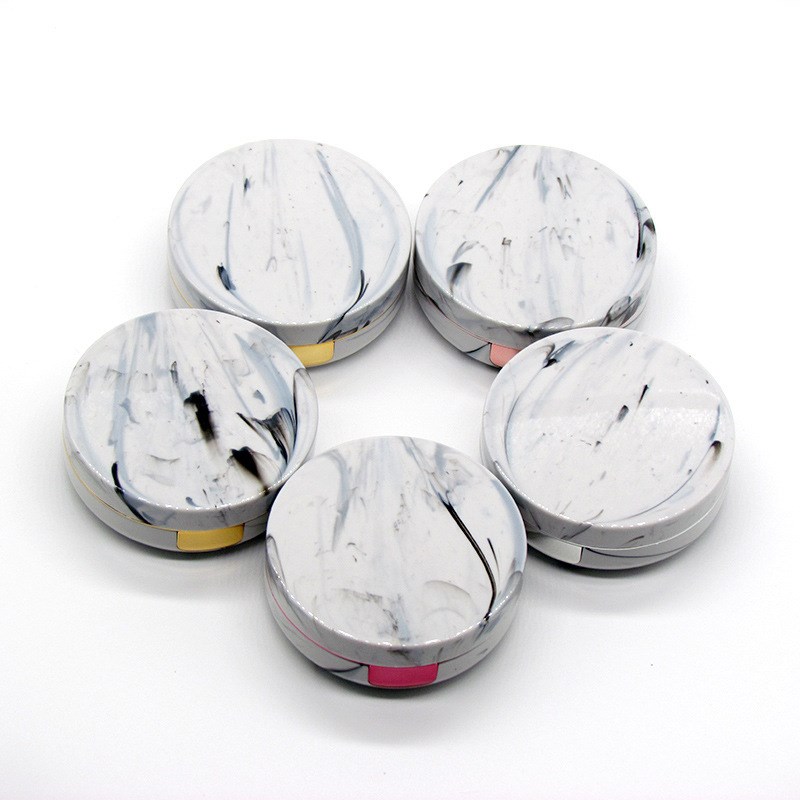
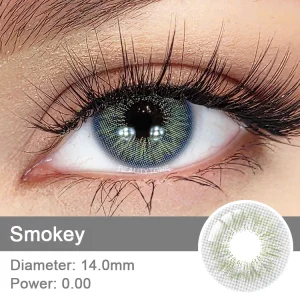
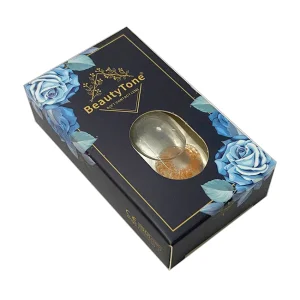
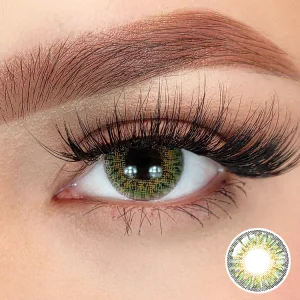
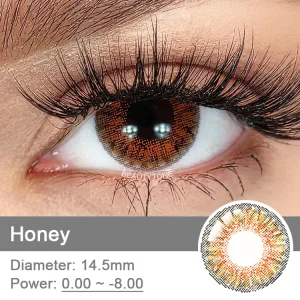
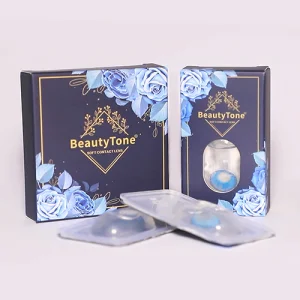
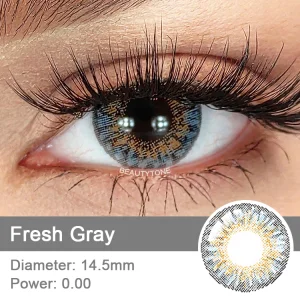
Select from our certified optical lens line and customizable outer packaging to build a complete retail product presentation.
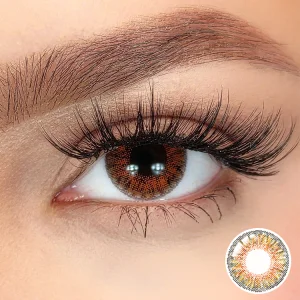
 Chroma Lenses