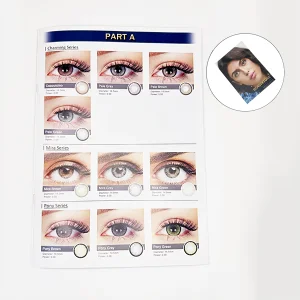
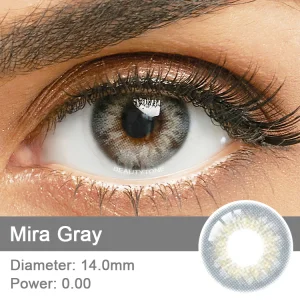
China's Premier Silicone Hydrogel Contact Lens Manufacturer & OEM Exporter

High-permeability oxygen optics engineered for global brands. Industrial-scale FDA-compliant cast molding, turnkey ODM private label services, and resilient batch supply chains.

Silicon Hydrogel Evolution: Setting the New Standard in Physiological Eye Care

Bridging the gap between materials science and consumer safety requirements.

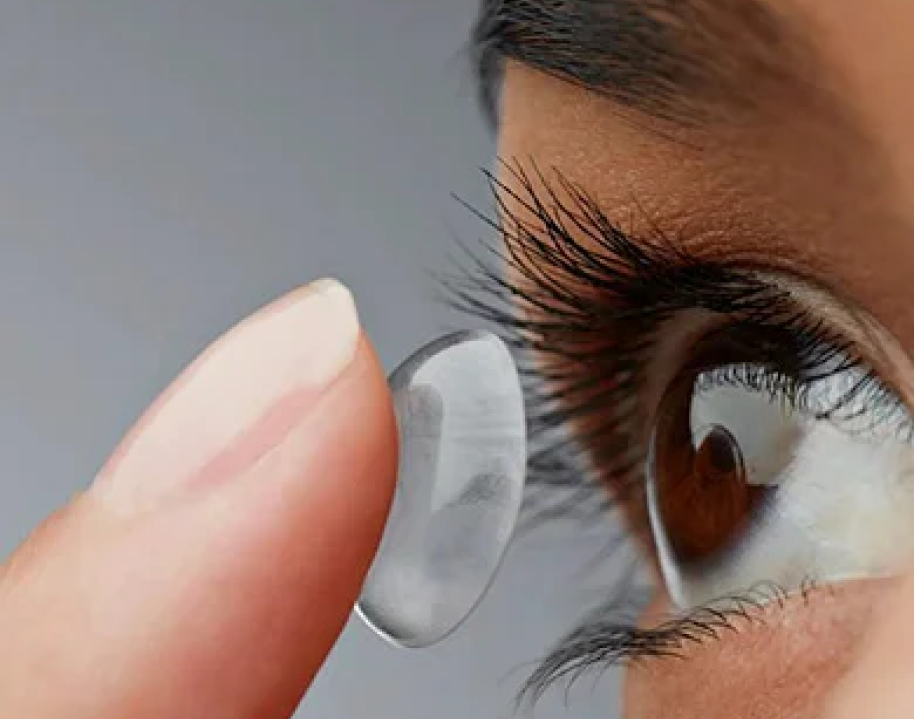
The global soft contact lens landscape is undergoing a massive paradigm shift. Traditional hydrogel lenses made from poly-HEMA are rapidly losing market share to Silicone Hydrogel (SiHy) formulations. As diagnostic technologies advance, clinical professionals and regulatory bodies worldwide now recognize that corneal hypoxia—caused by low oxygen transmissibility—is the primary driver behind lens discomfort, corneal vascularization, and giant papillary conjunctivitis. Silicone hydrogel polymers address this fundamental limitation.

Unlike standard hydrogels, which rely solely on water content to transport oxygen through the lens matrix to the cornea, silicone hydrogel utilizes highly permeable silicone pathways. The oxygen transmissibility (Dk/t) of standard hydrogel lenses ranges between 20 and 30 barrers, whereas modern silicone hydrogel structures reach ranges from 90 to over 150 barrers. This dramatic increase guarantees that the cornea receives up to five times more oxygen, rendering daily wear far safer and minimizing ocular fatigue.

Advanced Oxygen Flow

By blending siloxy-macromers with high-affinity hydrophilic monomers, we achieve optimal oxygen flow without compromising structural integrity or mechanical properties.

Optimized Surface Wetting

We apply advanced plasma surface treatments and internal wetting agents to eliminate lipid adhesion, reducing dryness and maintaining all-day tear-film stability.

Balanced Elastic Modulus

Older silicone formulations suffered from high stiffness (modulus > 1.0 MPa), leading to discomfort. Our proprietary formulations achieve a soft modulus of 0.5 to 0.7 MPa.

Global Sourcing Trends & Demand Dynamics

Understanding the commercial scale of contact lens manufacturing and regional demands.

Distributors and optical brand owners in North America, Europe, and Latin America face evolving regulatory requirements and changing consumer preferences. Global market research indicates that over 70% of optical retail sales are now comprised of silicone hydrogel contact lenses. The procurement strategies of major brands focus on finding manufacturers capable of combining high material yields with automated precision machinery to keep costs manageable.

65%+
Global Market Share
150 Dk/t
Oxygen Permeability
ISO 8
Cleanroom Standards
100%
Automated AOI Inspection

China Factory 4.0: Supply Chain Resilience & OEM Efficiency

Leveraging automated manufacturing clusters in Dongguan and Guangzhou to secure cost advantages.

Historically, soft contact lens production was dominated by a few major global brands with proprietary manufacturing footprints. Today, China's advanced industrial sector has democratized access to world-class manufacturing. By utilizing automated high-speed cast molding systems and integrating regional raw material supply chains, Chinese manufacturers can offer high quality at competitive price points.

Our integrated facility in Southern China offers three primary advantages to our global B2B clients:

  • Automated Production Lines: Automated robotic molding, monomer dispensing, and curing systems ensure consistent lens geometry, minimizing power deviation and surface irregularities.
  • Integrated Supply Chain: Dongguan's manufacturing hub provides rapid access to high-purity medical polymers, packaging supplies, and tooling, reducing turnaround times for custom projects.
  • Seamless Logistics: Located close to key shipping hubs in Guangzhou, Shenzhen, and Hong Kong, we offer efficient air freight and sea cargo options to major global ports.
Verified Manufacturer Profile

Guangzhou Chroma Lenses Technology Co., Ltd.

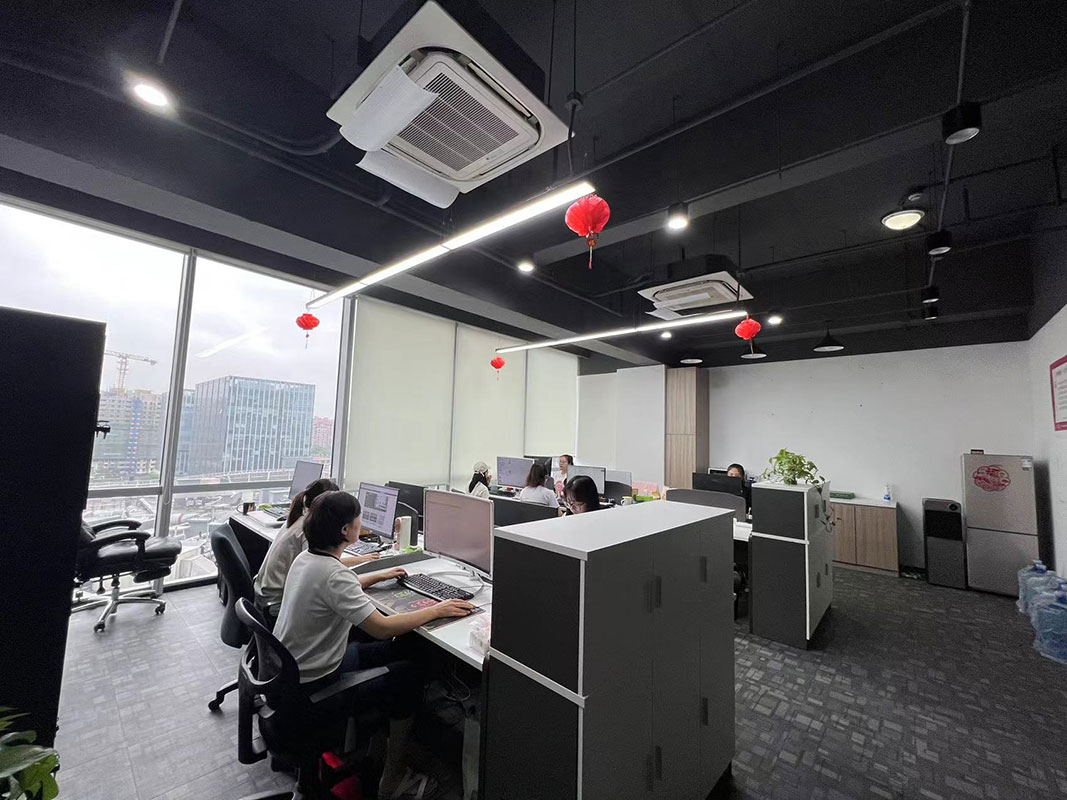
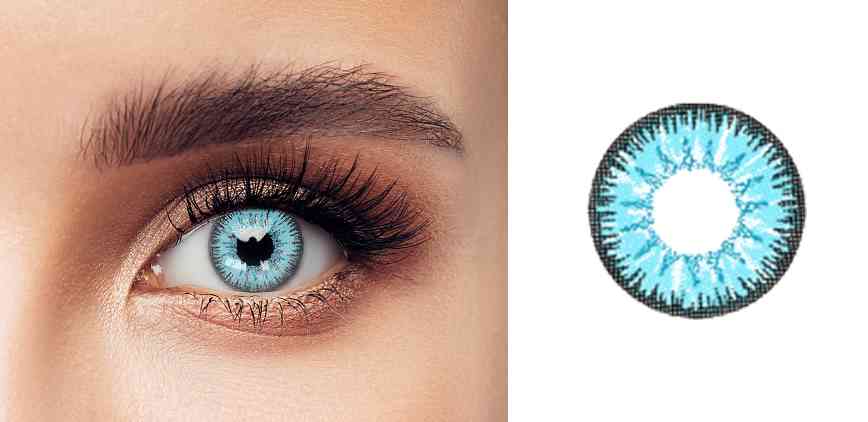
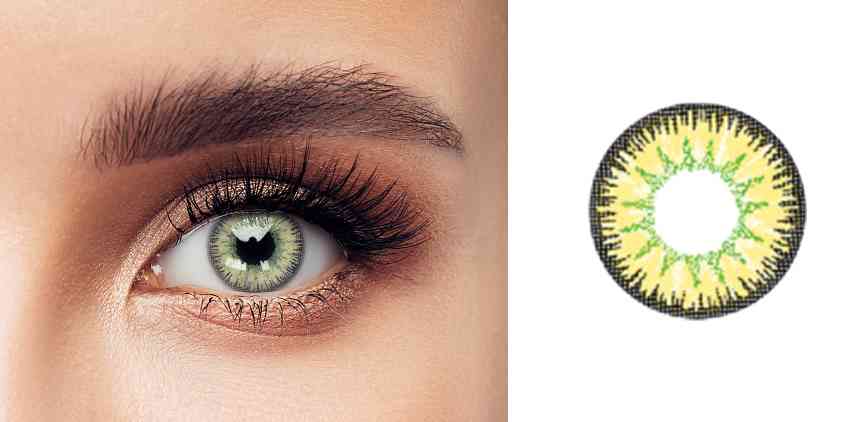
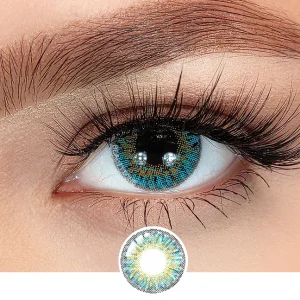
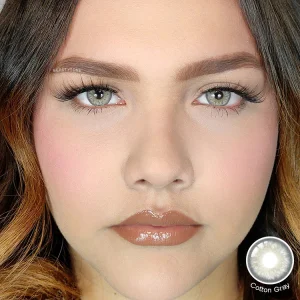
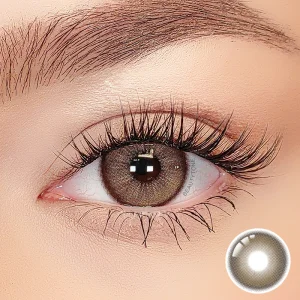
Guangzhou Chroma Lenses Technology Co., Ltd. is an industrial-scale manufacturer specializing in the R&D and mass production of high-quality contact lenses and cosmetic colored lenses. Located in the manufacturing hub of Dongguan, China, we operate a fully integrated facility that bridges cutting-edge optical technology with robust supply chain capabilities.

  • Production Capacity: Equipped with automated high-speed cast-molding lines operating within a Class 100,000 (ISO 8) cleanroom environment.
  • Quality Assurance: 100% full-inspection workflow, including automated geometric tolerance testing, power verification, and cosmetic defect screening.
  • Compliance: Built upon strict international quality control systems, fully meeting CE, ISO 13485, and global medical device standards.

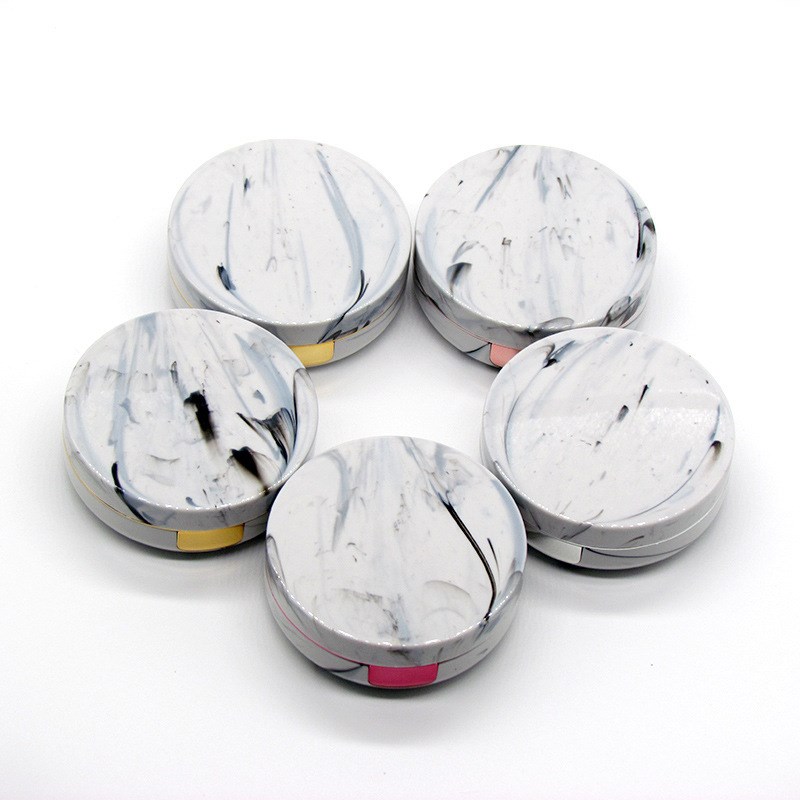
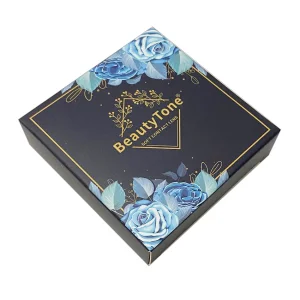
As a dedicated B2B partner, we specialize in OEM, ODM, and turnkey private-label solutions. From material compounding (Hydrogel/Polyhema) to bespoke pattern design and compliant blister packaging, we provide global distributors and vision care brands with stability, scale, and safety.
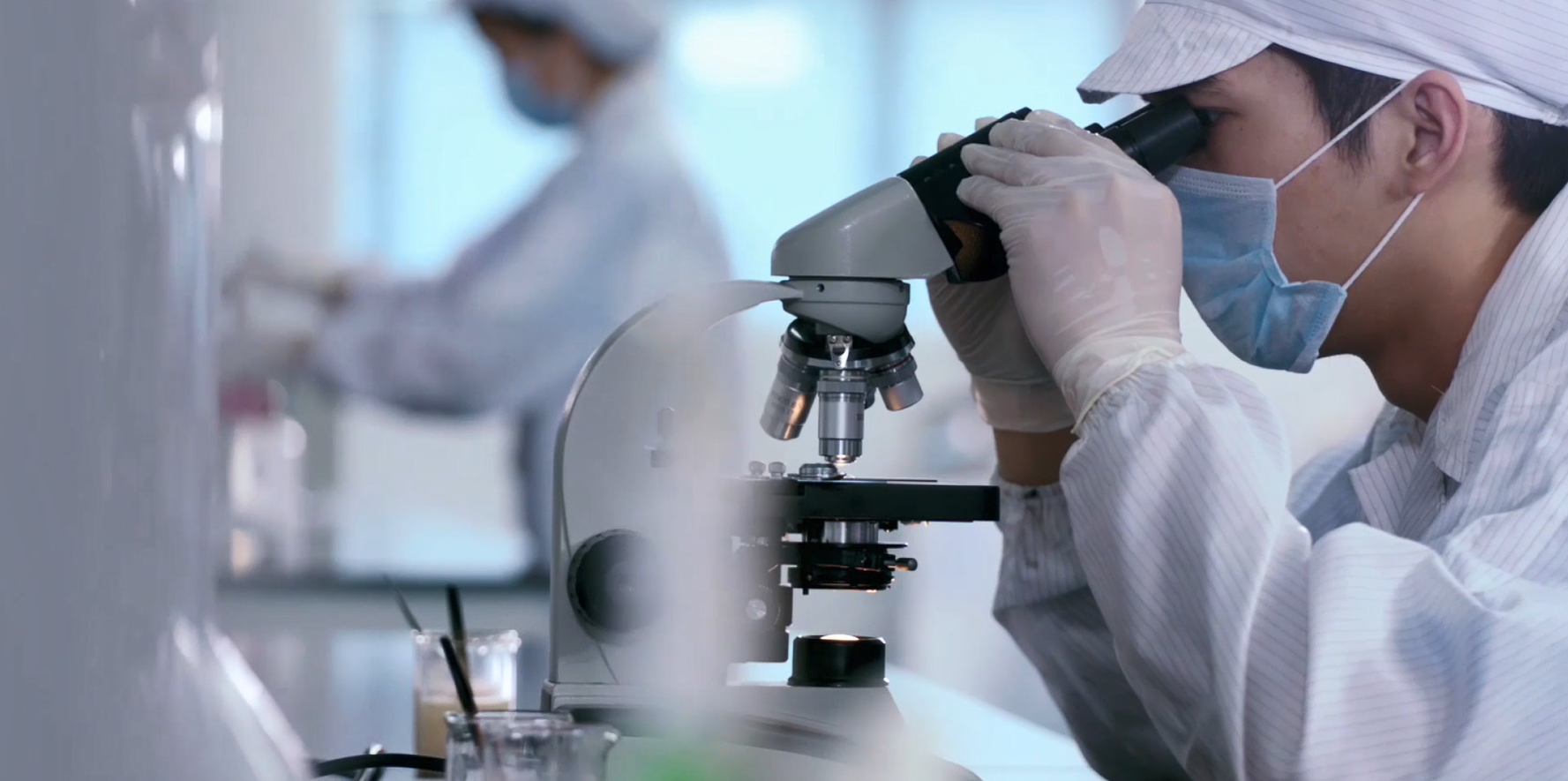
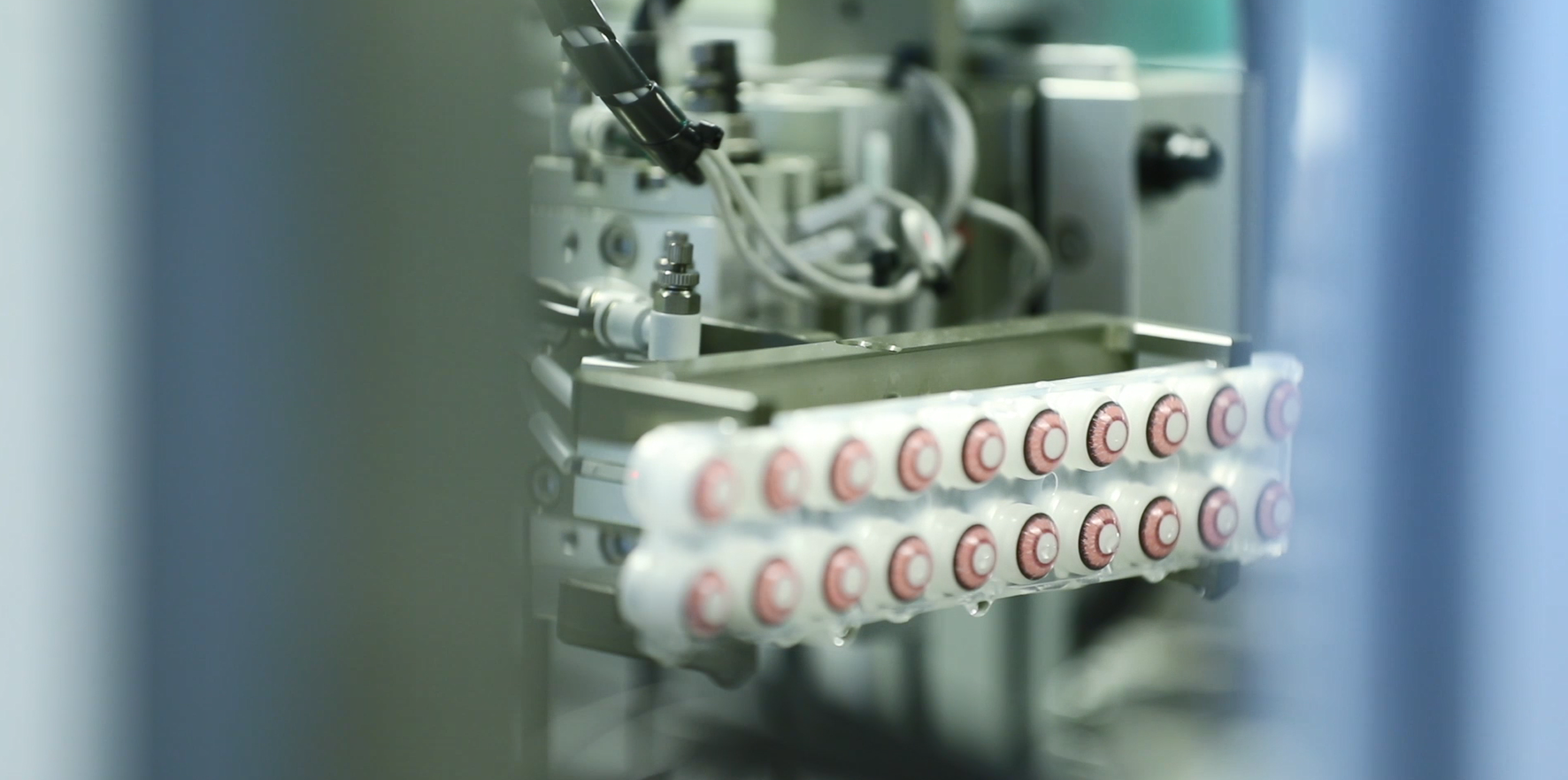
Advanced Cast-Molding Production Flow & Machinery

A detailed look at our automated production stages, showing the machinery and control processes that ensure high quality.
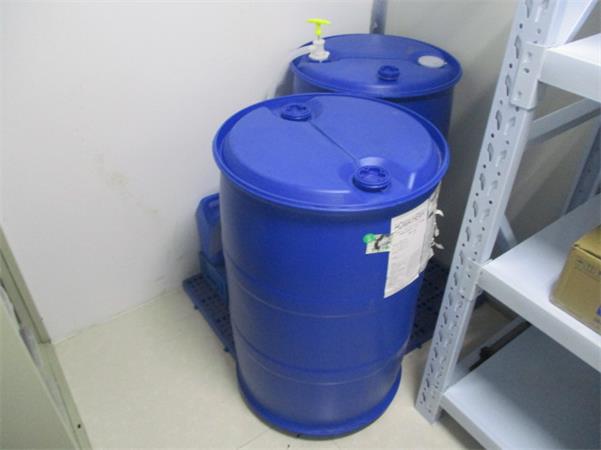
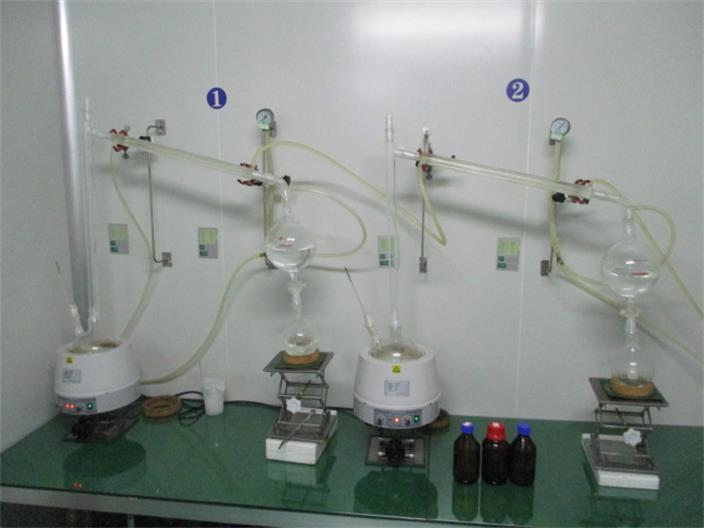
Raw Materials Control
Raw Materials
Chemical Purification
Purification
Ingredients Compounding
Ingredients
Precision Filling
Filling
UV & Thermal Curing
Curing
CNC Machine Work
Machine Work
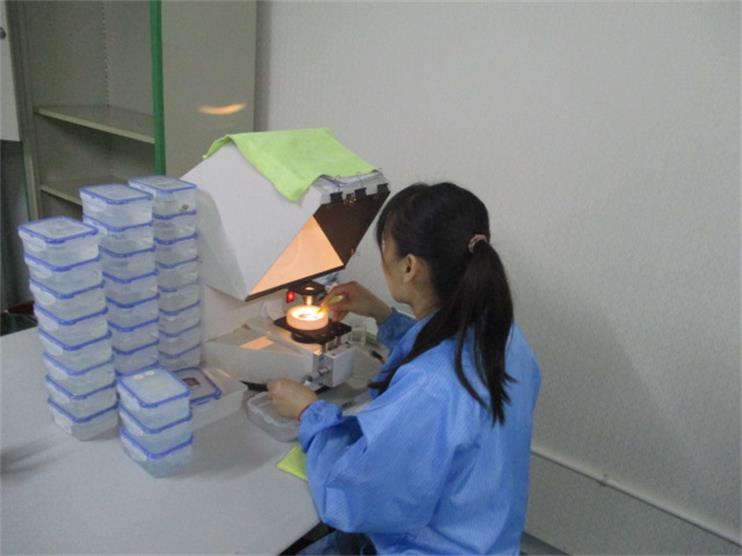
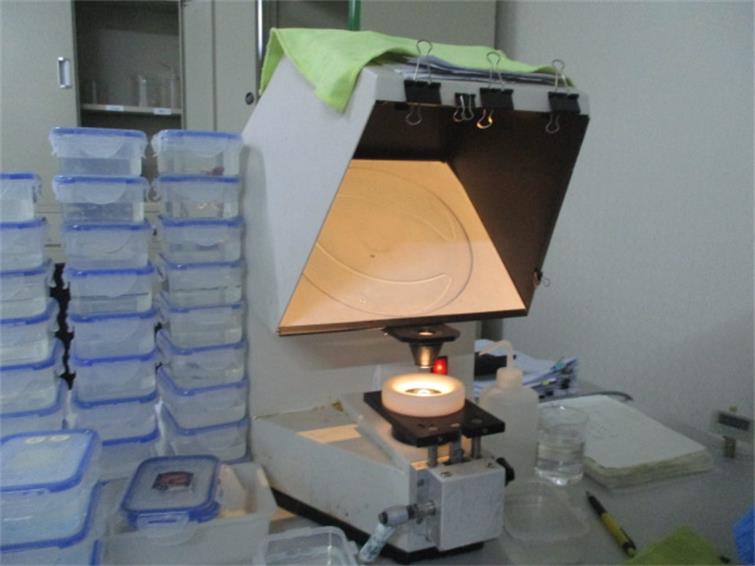
Projection Test Verification
Projection Test
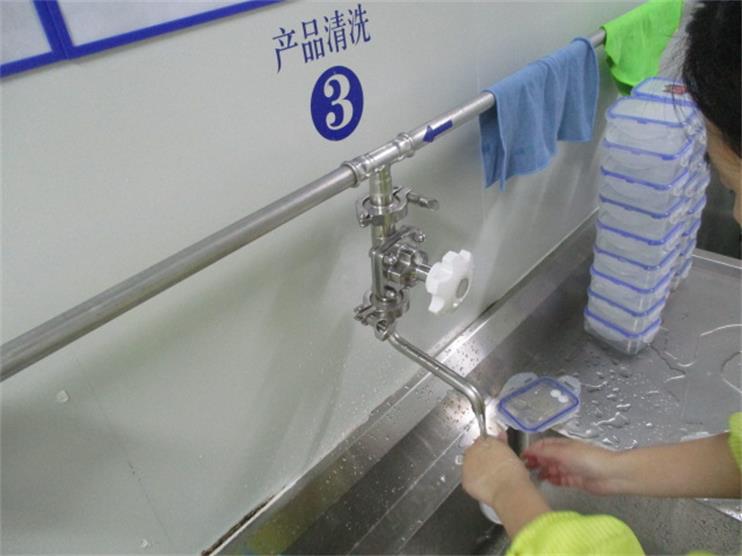
Ultrasonic Cleaning
Cleaning
Primary Packaging Canned
Canned
Steam Sterilization
Sterilization
Secondary Packaging Line
Packaging
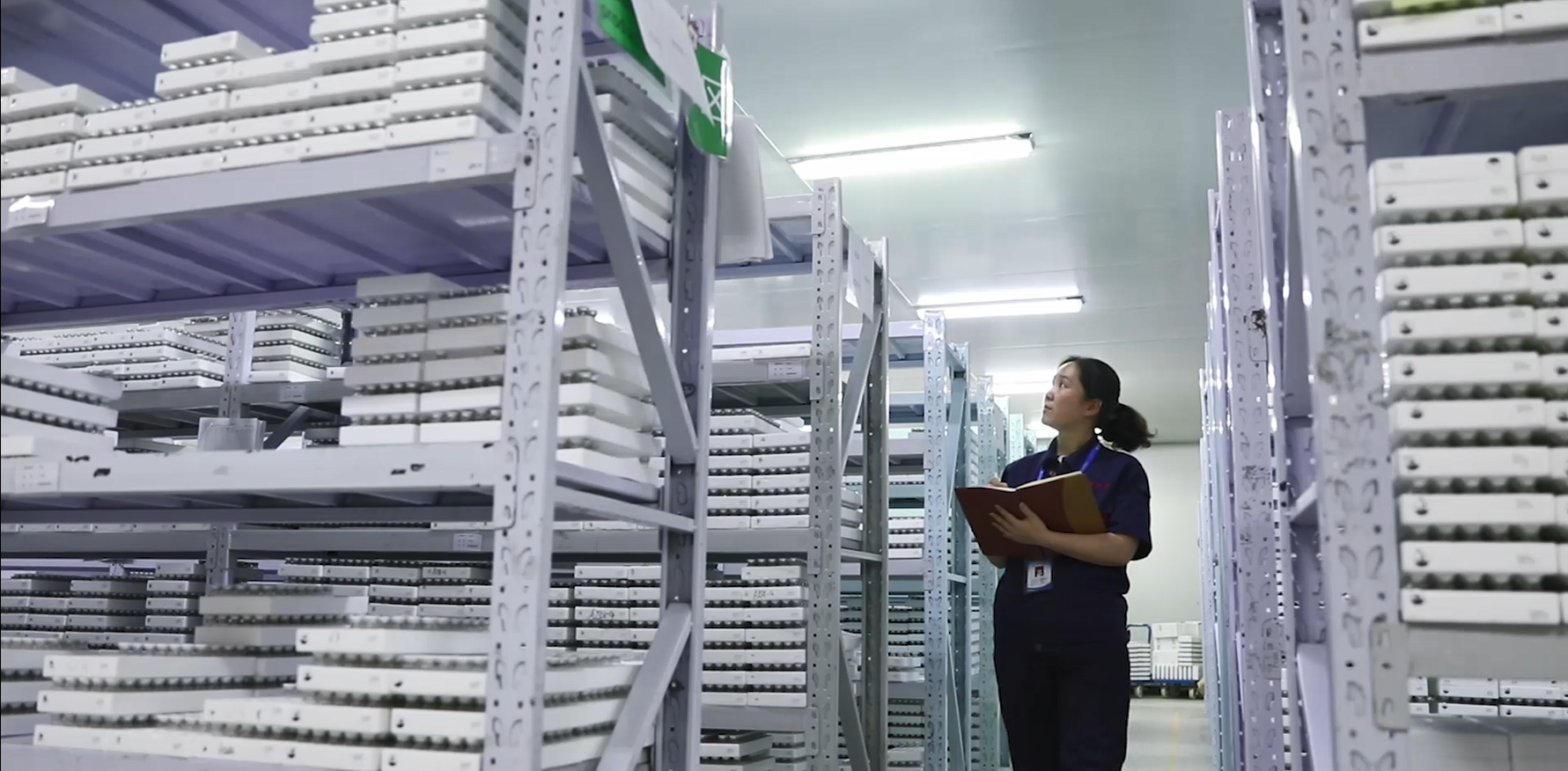
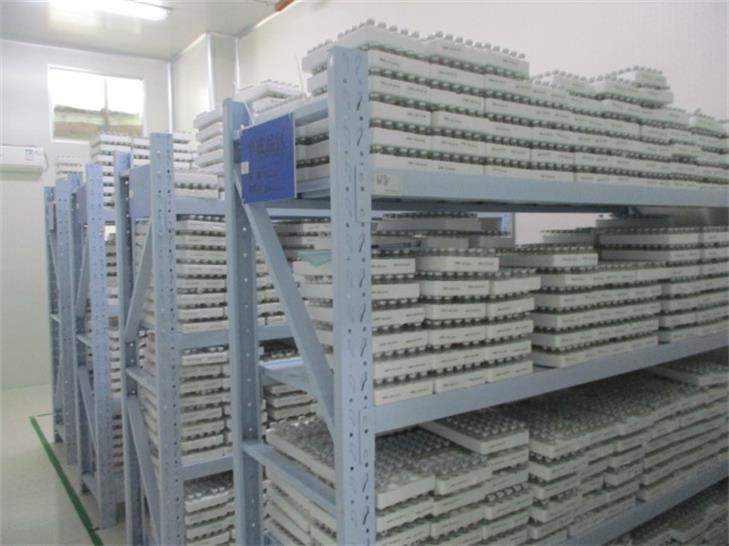
Controlled Lot Storage
Lot Storage

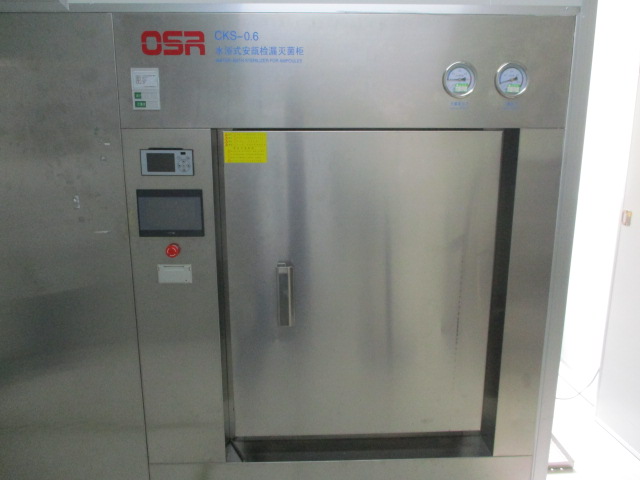
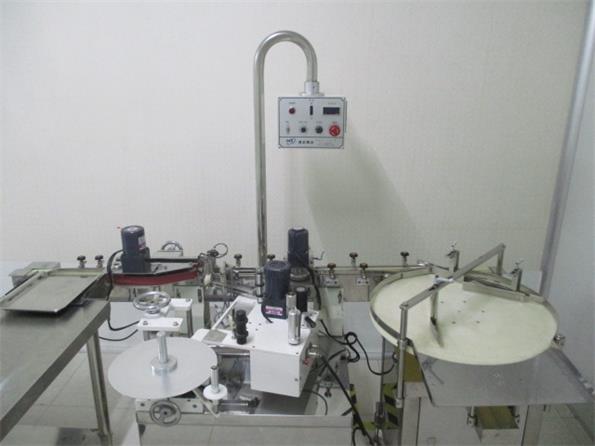
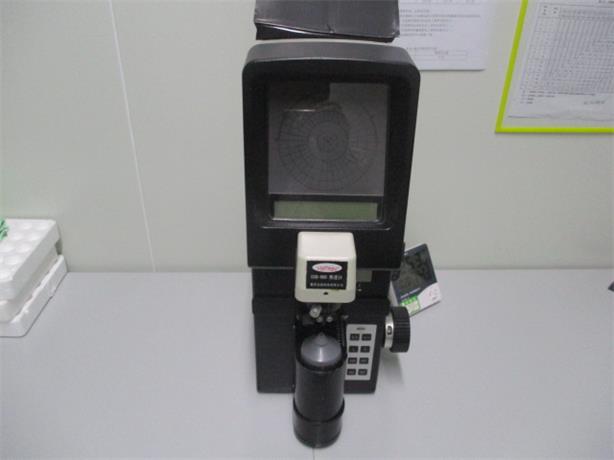
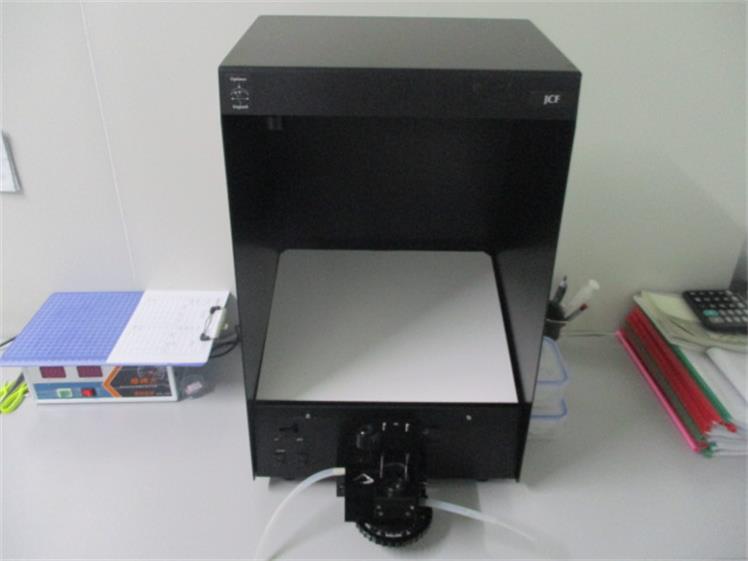
State-of-the-Art Production & Quality Control Equipment

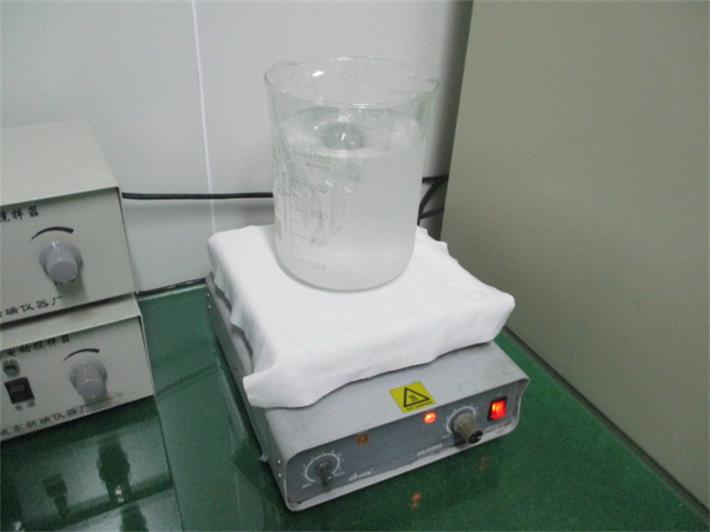
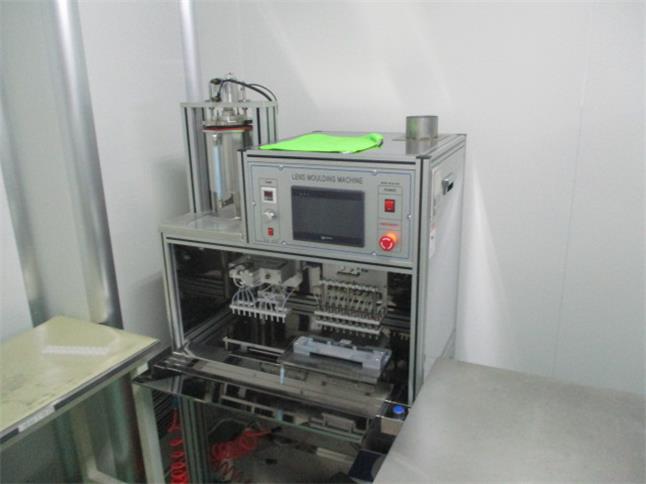
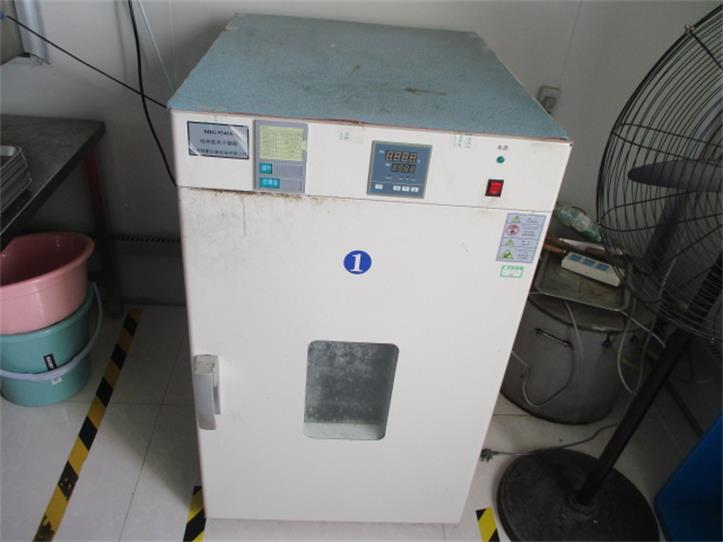
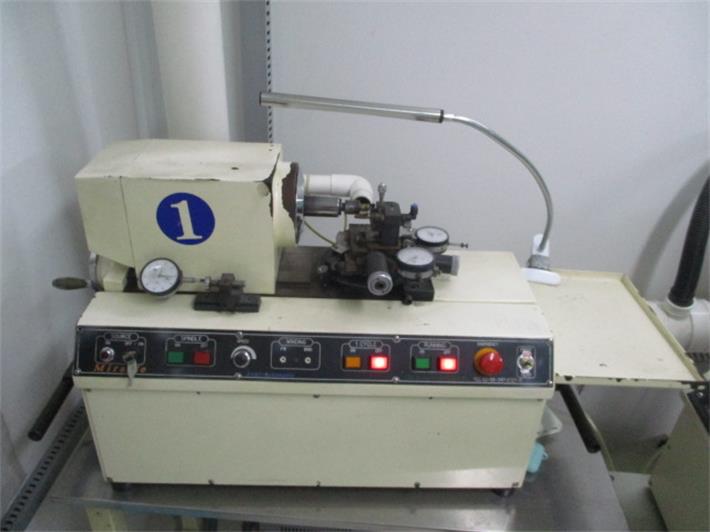
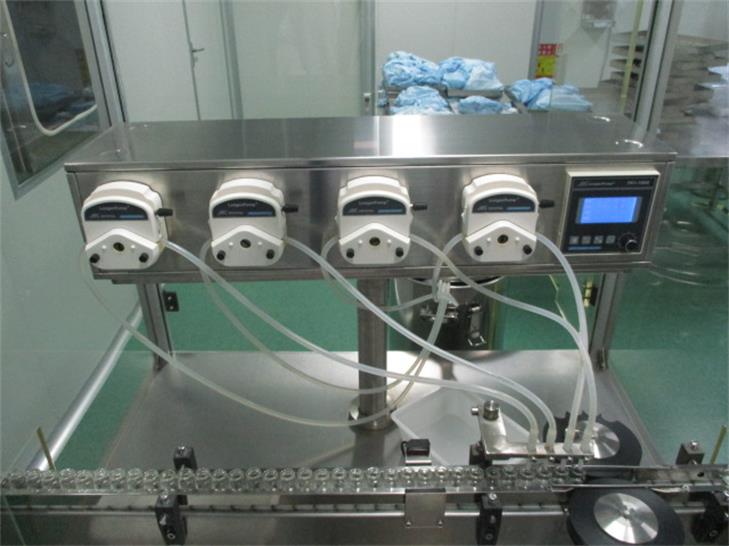
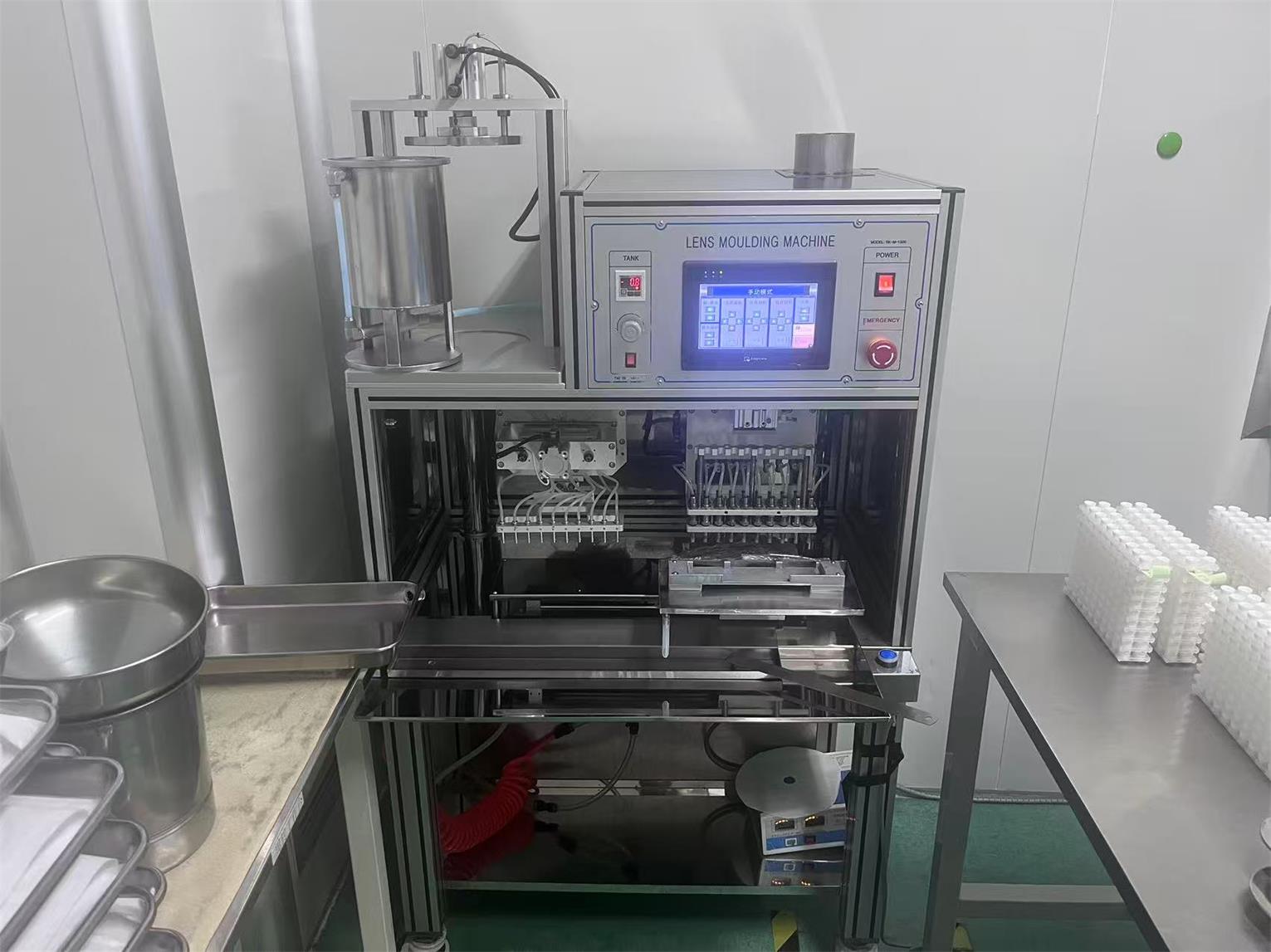
Our facility is equipped with specialized hardware to monitor and control parameters like polymer viscosity, geometric accuracy, power deviations, and mechanical properties. Below are the key instruments used in our production and quality labs:
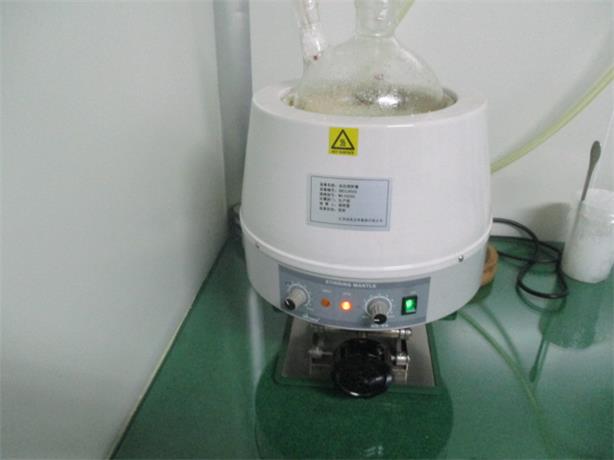
Stirring Mantle for Polymer Mix
Stirring Mantle
High Precision Lens Moulding Machine
Lens Moulding Machine
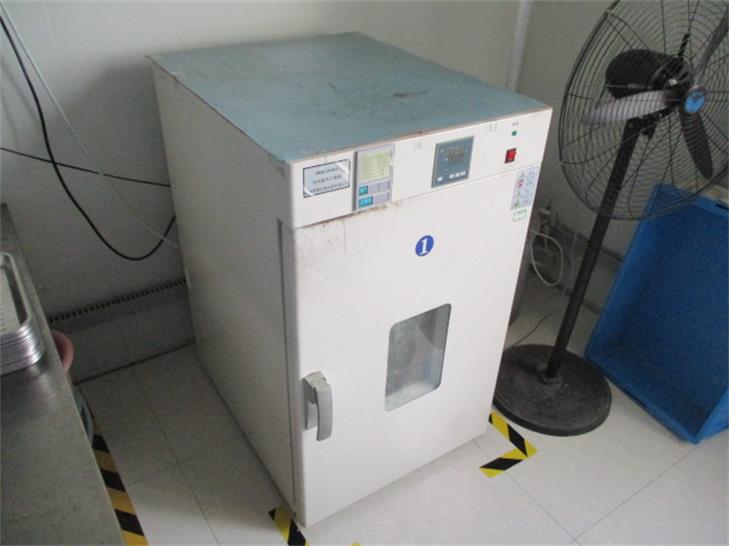
Electric Blast Drying Oven
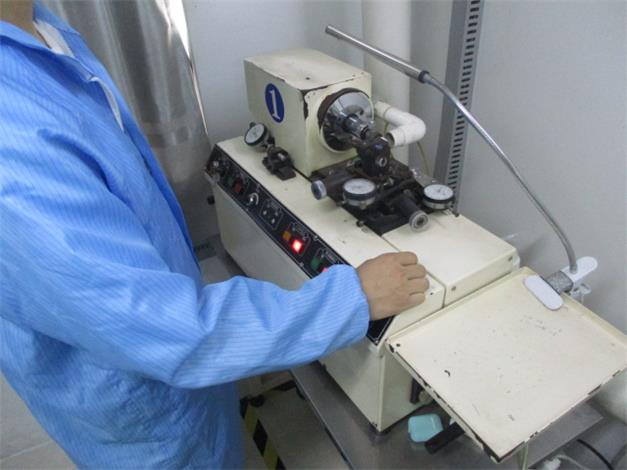
Precision Lathe Tooling
Precision Lathe
Projection Testing Instrument
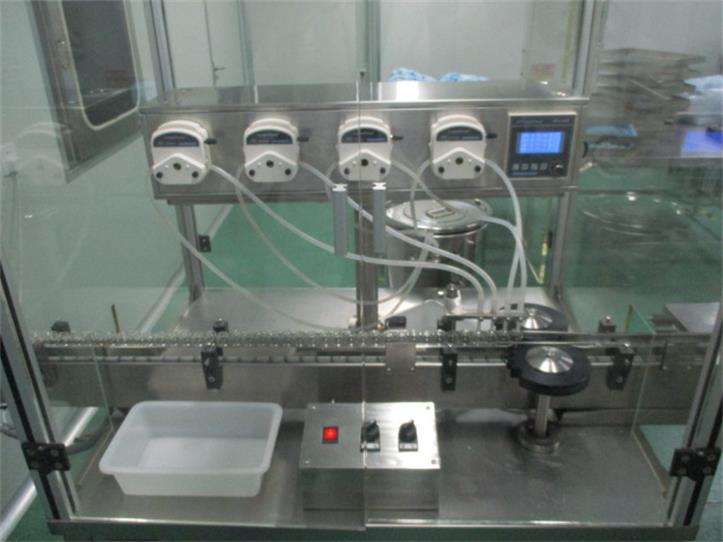
Liquid Tank Machine
Liquid Tank Machine
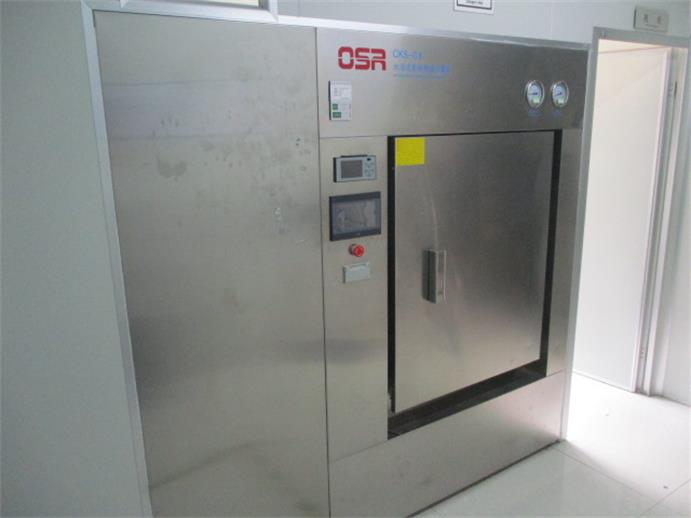
Water-Bath Sterilizer For Ampoules
Water-Bath Sterilizer
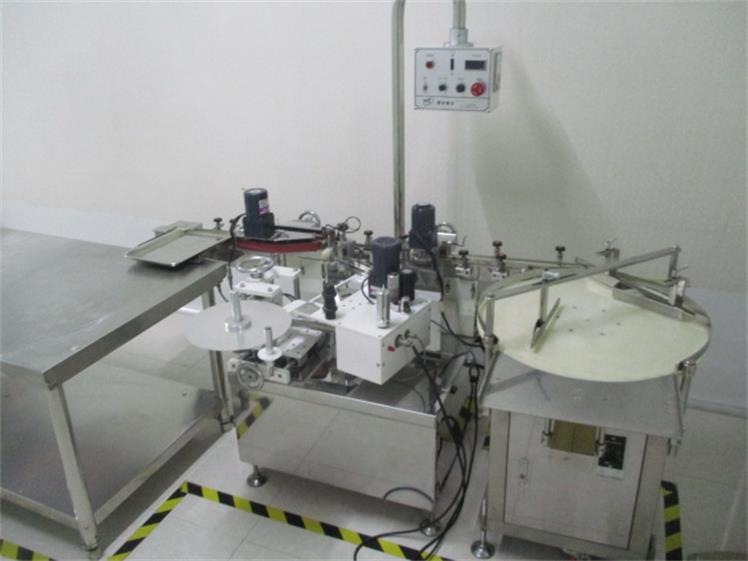
High Speed Labeling Machine
Labeling Machine
The Focal Meter
The Focal Meter
Contact Lens Tester
Contact Lens Tester
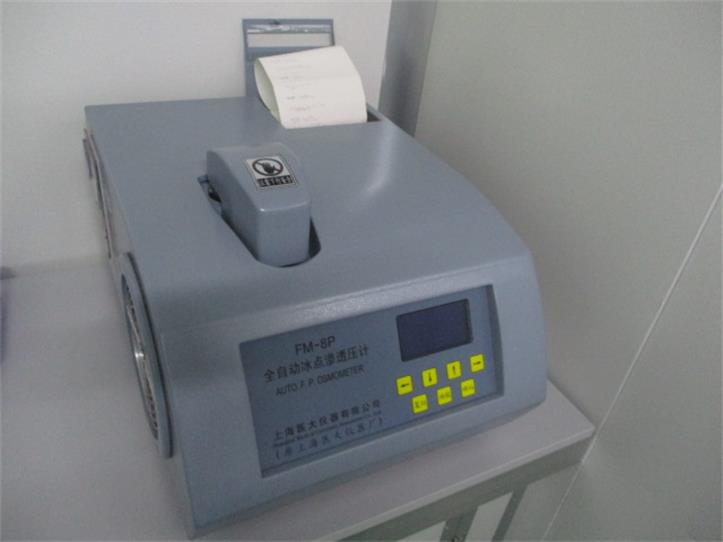
Auto.F.P.OSMOMETER
Auto.F.P.OSMOMETER
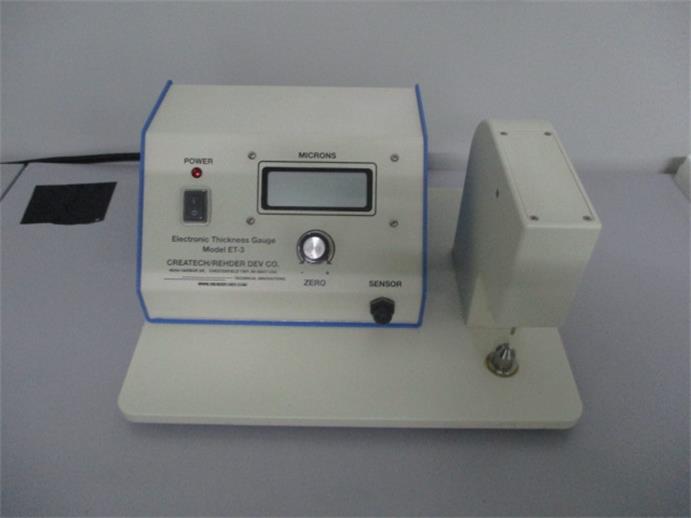
Electronic Thickness Gauge
Design Process & Mold Tooling
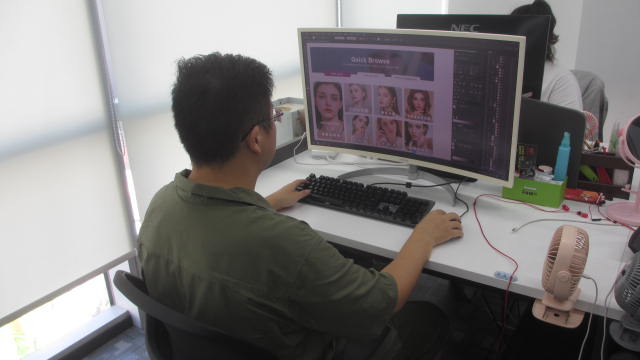
Design Process
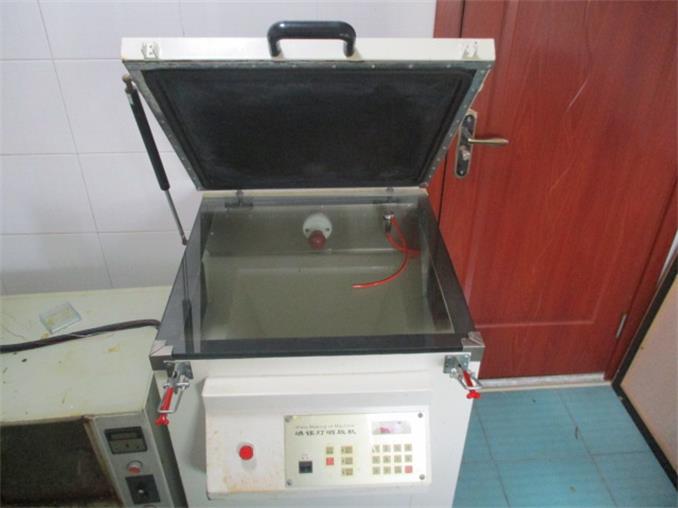
Plate Making Machine
Plate Making of Machine
Color Print Verification 1
Color Calibration
Color Print Verification 2
Ink Transfer Unit
Color Print Verification 3
Pad Printing Line
Cleanliness Check
Clean Area Check
Automated Inspection System

OEM & ODM Private Label Integration: From Design to Market

How we help global vision brands streamline their product design, compliance, and supply chain logistics.

Entering the contact lens market or expanding an existing product line requires navigating regulatory hurdles and complex production processes. Our OEM and ODM services are designed to simplify this transition, providing support from raw material validation to final packaging design.

Our collaborative pipeline is structured into three phases:

  1. Material and Design Optimization: We work with clients to define the ideal material parameters (HEMA vs. Silicone Hydrogel), optical power ranges, base curves, and diameter options. For cosmetic brands, our design team helps finalize print matrices to ensure comfortable wear and consistent color reproduction.
  2. Compliance and Certification Support: We compile regulatory dossiers—such as Device Master Files (DMF) and biocompatibility test data (ISO 10993)—to help clients secure approvals from bodies like CE, FDA, and local ministries of health.
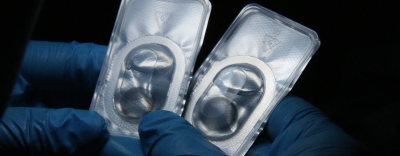
  3. Packaging and Secondary Assembly: We provide turnkey packaging services, including single-use foil-blister sealing, customized multi-pack cartons, and barcode printing for international tracking.

By delegating manufacturing logistics to our facility in Dongguan, our B2B partners can focus on marketing and distribution, confident that production will match their technical specifications.

Industry Technical FAQ

Detailed answers to complex questions on polymer chemistry, regulatory steps, and procurement logistics.

Q: What is the chemical distinction between traditional Hydrogel (Polyhema) and Silicone Hydrogel lenses?
Traditional hydrogel lenses (mostly based on HEMA monomers) absorb water to transport oxygen, meaning oxygen transmissibility is limited by the water content of the material. In contrast, Silicone Hydrogel lenses incorporate silicone monomer groups (siloxy-macromers) into the polymer matrix. This allows oxygen to pass directly through the silicone pathways, achieving 3 to 5 times higher oxygen transmissibility (Dk/t) than traditional hydrogels, regardless of water content.
Q: How do you manage the higher modulus (stiffness) and lower surface wettability associated with silicone?
Early generations of silicone hydrogel lenses were prone to stiffness and lipid buildup. We address this by modifying our polymer chains with hydrophilic monomers and applying automated plasma surface treatments. This forms a hydrophilic barrier over the core silicone structure, keeping the elastic modulus low (0.5 to 0.7 MPa) for a softer fit while preventing surface deposition.
Q: What quality management certifications does your Dongguan facility hold?
Our manufacturing processes are certified under ISO 13485 (Medical devices — Quality management systems). Our production area operates as a Class 100,000 (ISO 8) cleanroom under positive pressure, with monitored particulate levels. Lenses undergo automated AOI (Automated Optical Inspection) and manual projection checks to verify dimensions and power before packaging.
Q: Can you explain the regulatory support process for OEM and ODM customers?
We provide a complete regulatory technical documentation package to support registration with global health authorities (e.g., FDA, PMDA, NMPA, CE). This documentation includes biocompatibility validation (ISO 10993), stability data, sterilization validation (ISO 11137 / ISO 17665), and clinical trial reports.
Q: What are the typical lead times and Minimum Order Quantities (MOQs) for custom private label orders?
For existing, standard formulations and packaging, the minimum order quantity (MOQ) is generally 5,000 to 10,000 units. For custom-designed cosmetic prints or new private-label packaging configurations, the initial run MOQ typically starts at 20,000 units per stock-keeping unit (SKU). Production lead times run from 30 to 45 business days, depending on technical requirements and material availability.