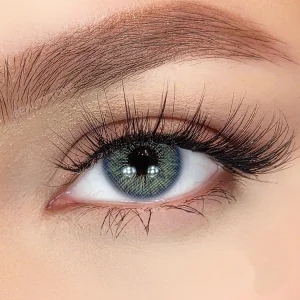
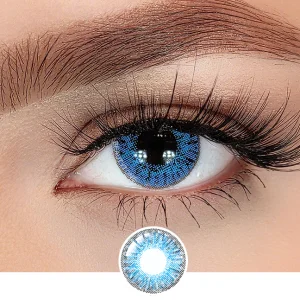
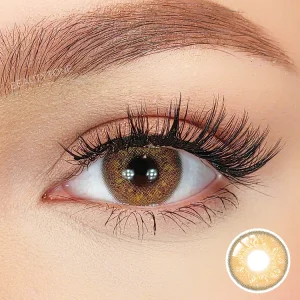
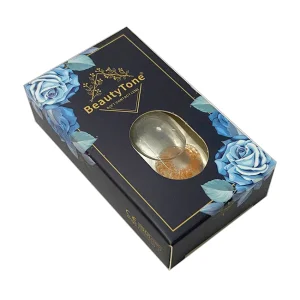
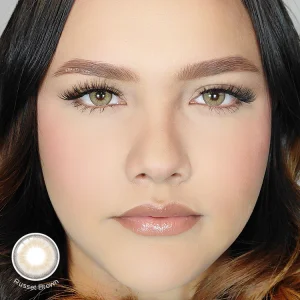
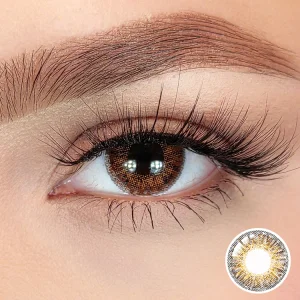
Explore our flagship precision-molded dynamic light-adjusting contact lenses engineered for global B2B distribution.
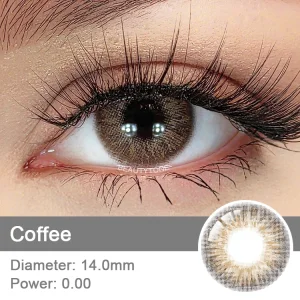
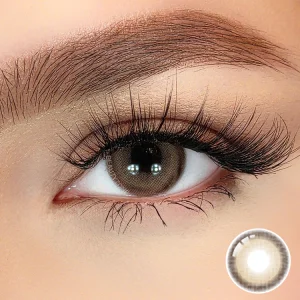
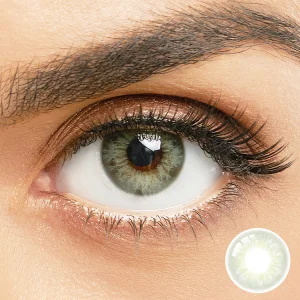


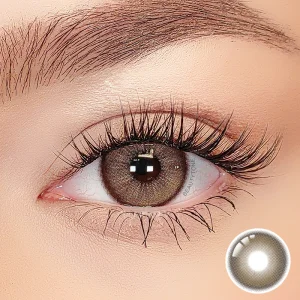
Dynamic light-filtering contact lenses represent the fastest-growing niche in the $18.5 Billion global vision care market.
Transition contact lenses (also referred to as photochromic or light-adaptive contact lenses) integrate microscopic photochromic dyes into the soft polymer matrix (PolyHEMA or Silicone Hydrogel). Unlike standard UV-blocking lenses, transition contact lenses dynamically re-orient their molecular structures when exposed to ambient ultraviolet (UV) radiation and High-Energy Visible (HEV) blue light. Within seconds of stepping outdoors, the dye molecules shift configuration, absorbing excess luminescence and darkening the lens to mitigate ocular strain, glare, and visual fatigue.
As consumer demand shifts toward integrated wellness and high-performance ocular care, optical distributors, retail chains, and private-label ophthalmology brands are seeking specialized OEM/ODM manufacturing facilities capable of delivering consistent photochromic responsiveness without compromising oxygen transmissibility (Dk/t) or tear-film hydration stability.
An authoritative technical audit of leading optical manufacturing entities categorized by operational scale, patent portfolios, and white-label capabilities.
Specialty: High-Volume OEM/ODM, Photochromic Matrix Compounding, Cosmetic 3-Tone Integration
Operating a mega-scale industrial facility in Dongguan, Guangzhou Chroma Lenses combines automated high-speed cast-molding with proprietary dye-embedding technologies. Recognized for exceptional cost-efficiency, strict ISO 8 cleanroom protocols, and rapid custom design-to-mass-production turnarounds, Chroma Lenses is a trusted engine for international vision care brands.
Specialty: Acuvue Oasis with Transitions Technology
Pioneering the commercial photochromic contact lens sector in partnership with Transitions Optical, J&J Vision set the early global standard. Their lenses utilize dynamic photochromic dyes embedded within senofilcon A silicone hydrogel, targeting premium prescription markets across North America and Europe.
Specialty: Aquaform Polymer Science & High-Dk Materials
Known for superior material wettability and structural edge geometry, CooperVision invests heavily in advanced hydrogel monomer formulations. Their R&D focuses on combining high oxygen diffusion with spectral light filtering for sensitive eyes.
Specialty: Water Gradient Surface Technology & HEV Filtering
Alcon dominates the high-moisture contact lens sector. Their optics leverage surface chemistry engineered to eliminate dry-eye friction while incorporating precise light-filtering layers to neutralize blue light from digital displays and outdoor environments.
Specialty: Precision Lathe Cutting & Hyper-Oxygen Permeable Polymers
Japan’s premier optical pioneer, Menicon, excels in automated manufacturing processes, custom RGP materials, and ultra-thin cast molding techniques. Their production lines maintain zero-defect tolerances for specialized therapeutic contact optics.
Specialty: Automated Robotics Assembly & High-Speed Packaging
Pegavision operates state-of-the-art automated manufacturing plants in Taiwan. Specializing in daily disposables and cosmetic contacts, their automated visual inspection lines set benchmarks for physical defect screening.
Specialty: Natural UV Blocking Polymers & Ultra-Thin Edge Design
Seed produces high-quality hydrogel contact lenses featuring integrated UV-absorbers built into the chemical backbone of the lens polymer, guaranteeing long-lasting ocular protection across varied climates.
Specialty: Ultra-Soo Design & High-Definition Aspheric Lenses
Interojo leverages advanced high-definition optics to minimize spherical aberration. Their OEM facilities specialize in combining color-pigmentation technology with responsive light-adaptive materials.
Specialty: Mass-Scale Turnkey Private Label Manufacturing
One of the largest private-label contact lens producers worldwide, St. Shine offers extensive packaging, power range options, and proven hydrogel formulations for global retail optical chains.
Specialty: Micro-Encapsulation Pigment Technology
Bescon utilizes specialized sandwich printing and dye micro-encapsulation, ensuring that photochromic dynamic dyes and cosmetic pigments never come into direct contact with corneal tissue.
Evaluation of manufacturing efficiency, material flexibility, and OEM customization agility.
| Manufacturer | Primary Material | Activation Speed | Cleanroom Standard | OEM / ODM Flexibility | Regulatory Compliance |
|---|---|---|---|---|---|
| Guangzhou Chroma Lenses | PolyHEMA / Hydrogel | < 35 Seconds | Class 100,000 (ISO 8) | Full Turnkey / Custom | CE, ISO 13485, GMP |
| Johnson & Johnson | Silicone Hydrogel | < 45 Seconds | Proprietary ISO Standard | Strict In-House Brands | FDA, CE, PMDA |
| Pegavision | Hydrogel | < 50 Seconds | Class 100,000 (ISO 8) | Moderate (High MOQ) | CE, FDA, ISO 13485 |
| Interojo | Methofilcon A / PolyHEMA | < 40 Seconds | Class 100,000 (ISO 8) | High OEM Capability | CE, KFDA, ISO 13485 |
| St. Shine Optical | Polymacon / Hydrogel | < 45 Seconds | ISO 8 Certified | High Volume Private Label | CE, FDA, TFDA |
Why the Greater Bay Area optical cluster provides unmatched speed-to-market and cost efficiency for international procurement.
Situated in Dongguan and Guangzhou, modern lens facilities operate within a dense industrial ecosystem. Raw monomer purification, mold tool tooling, foil lid printing, and blister packing materials are sourced within a 50-kilometer radius, drastically reducing manufacturing cycle times.
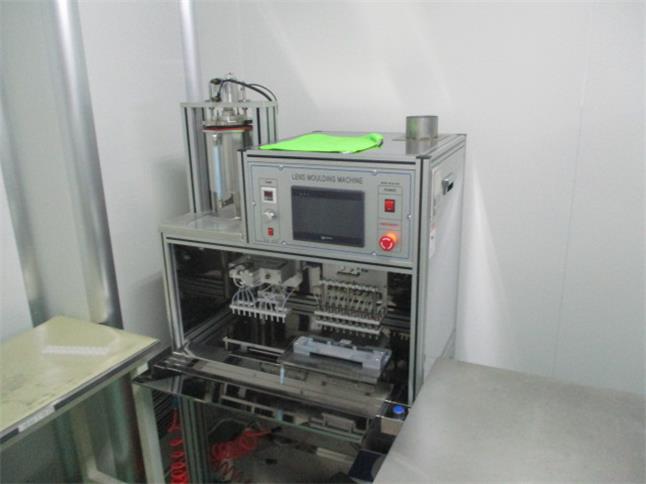
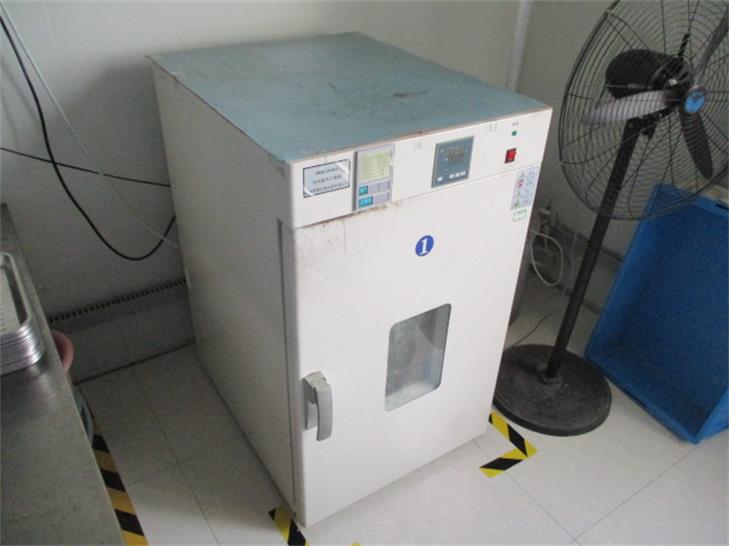
Automated cast-molding machines combined with continuous curing tunnels ensure low per-unit labor costs. High process yields (>98.5%) allow Chinese factories to offer competitive FOB prices while maintaining strict adherence to European CE and international ISO standards.
Unlike rigid Western conglomerates requiring massive multi-million unit commitments, Chinese factories offer flexible MOQs, customized packaging design, rapid prototype tooling, and tailored graphic pattern development for cosmetic photochromic lines.
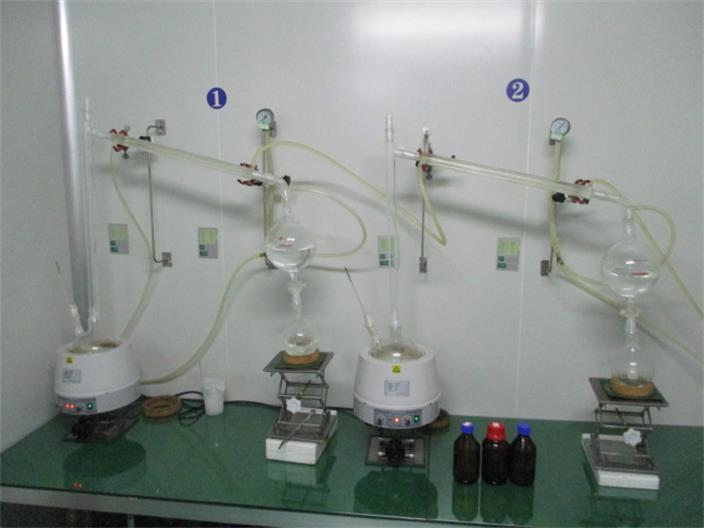
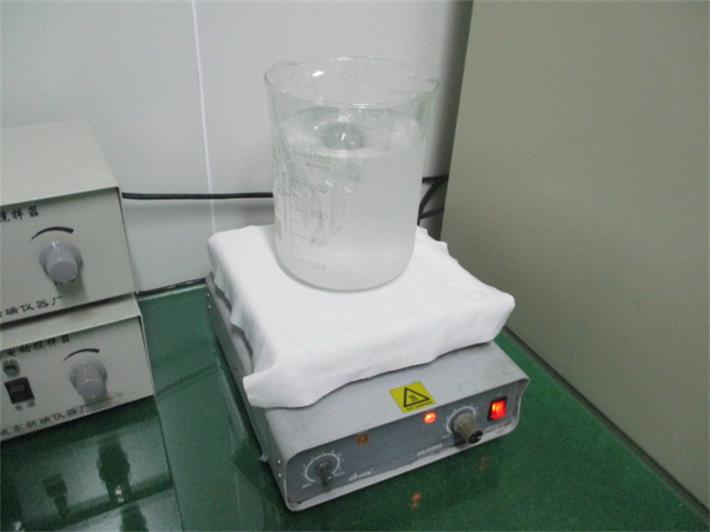
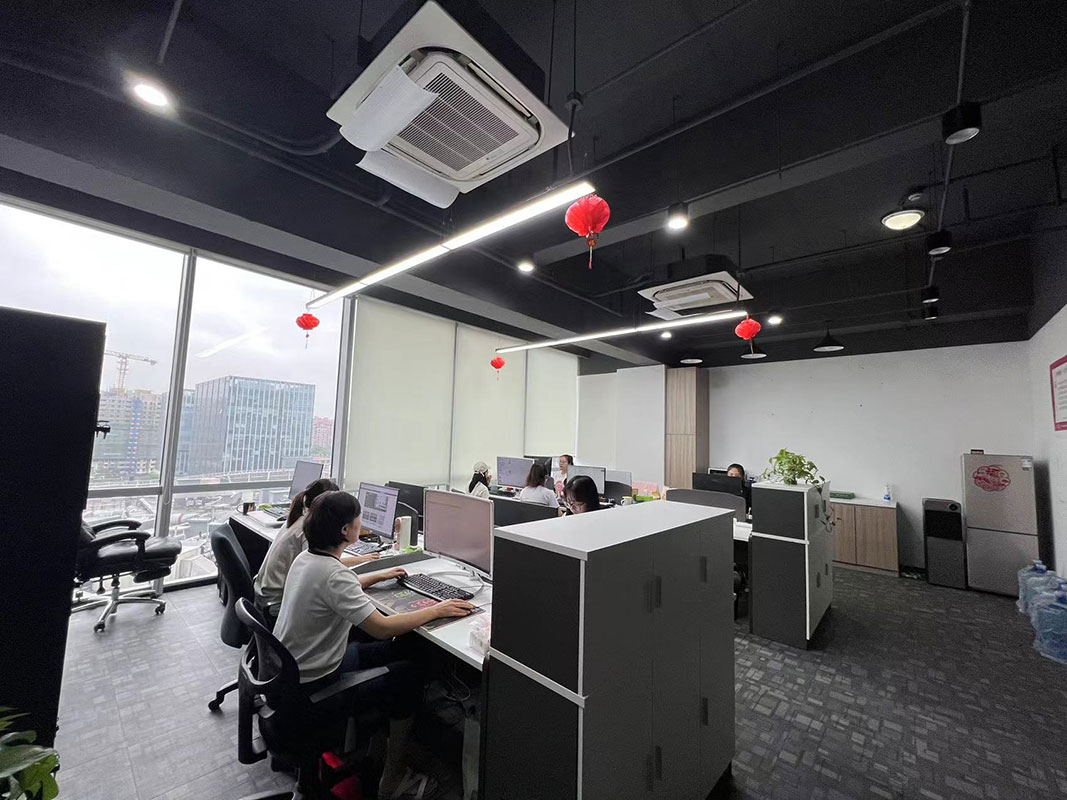
Guangzhou Chroma Lenses Technology Co., Ltd. is an industrial-scale manufacturer specializing in the R&D and mass production of high-quality contact lenses and cosmetic colored lenses. Located in the manufacturing hub of Dongguan, China, we operate a fully integrated facility that bridges cutting-edge optical technology with robust supply chain capabilities.
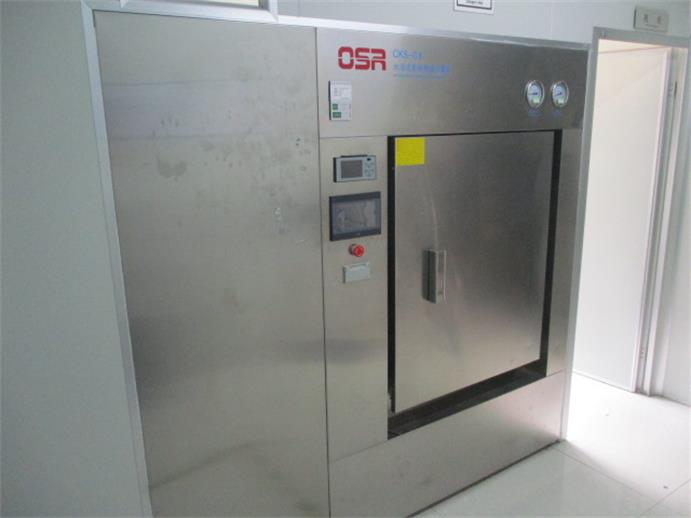
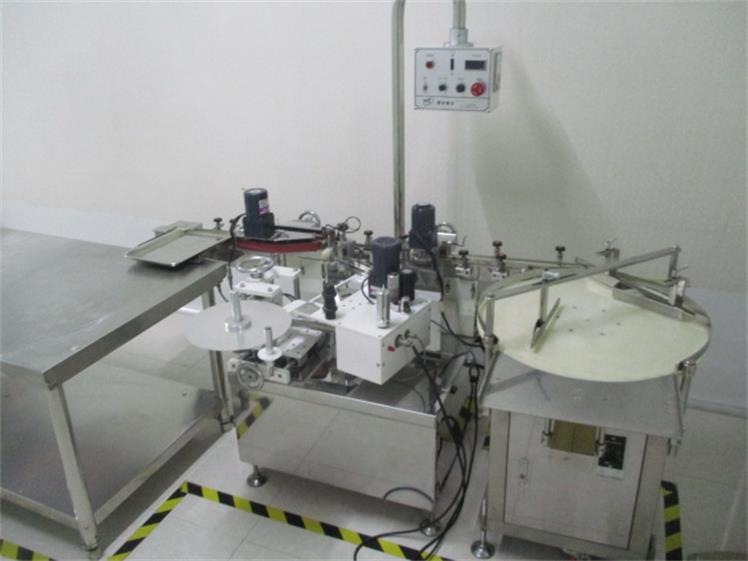
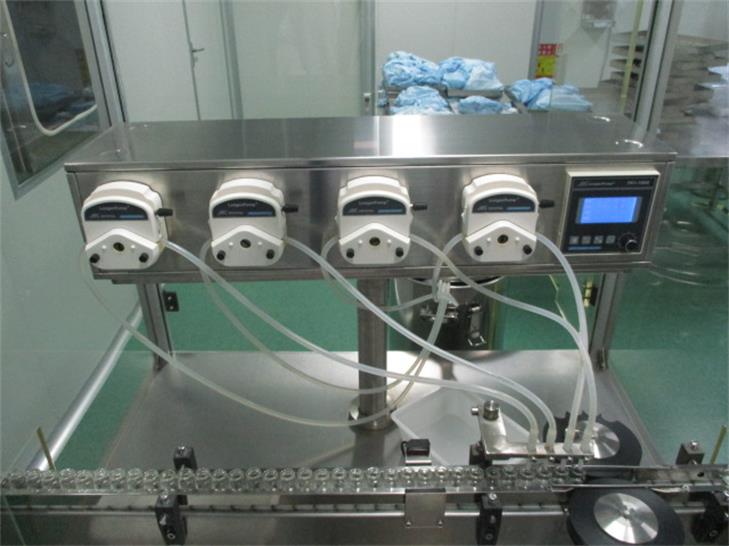
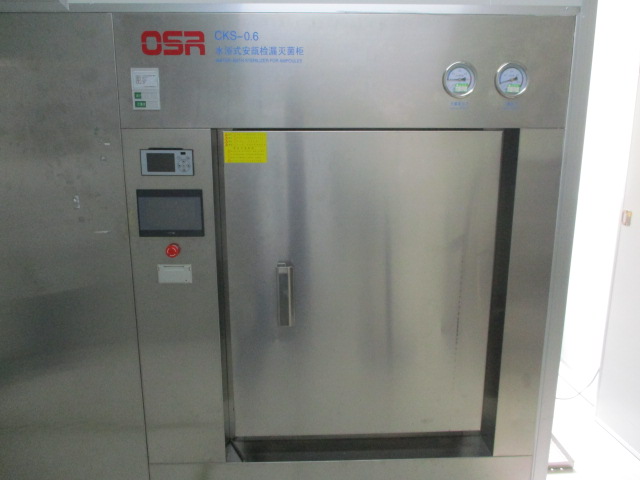
Equipped with automated high-speed cast-molding lines operating within a Class 100,000 (ISO 8) cleanroom environment.
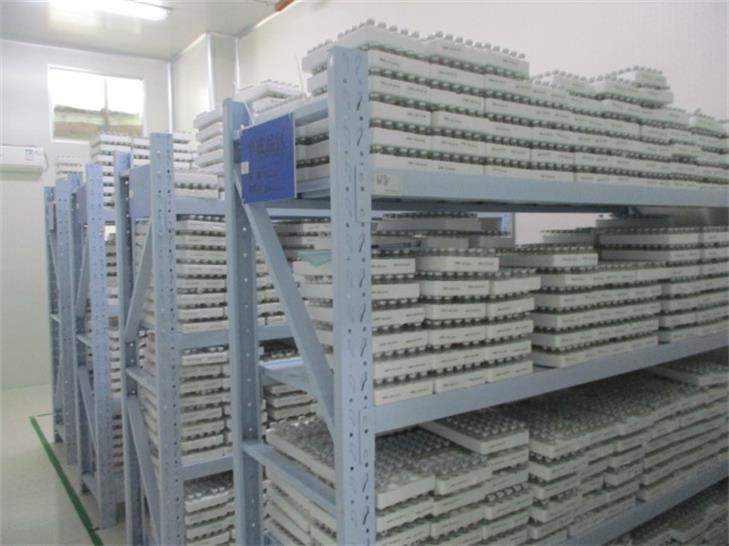
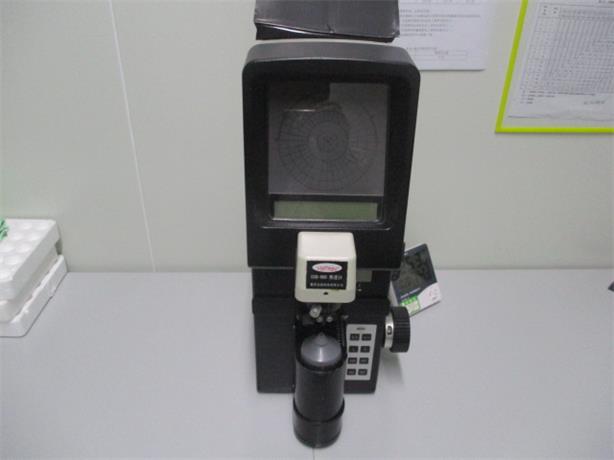
100% full-inspection workflow, including automated geometric tolerance testing, power verification, and cosmetic defect screening.
Built upon strict international quality control systems, fully meeting CE, ISO 13485, and global medical device standards.
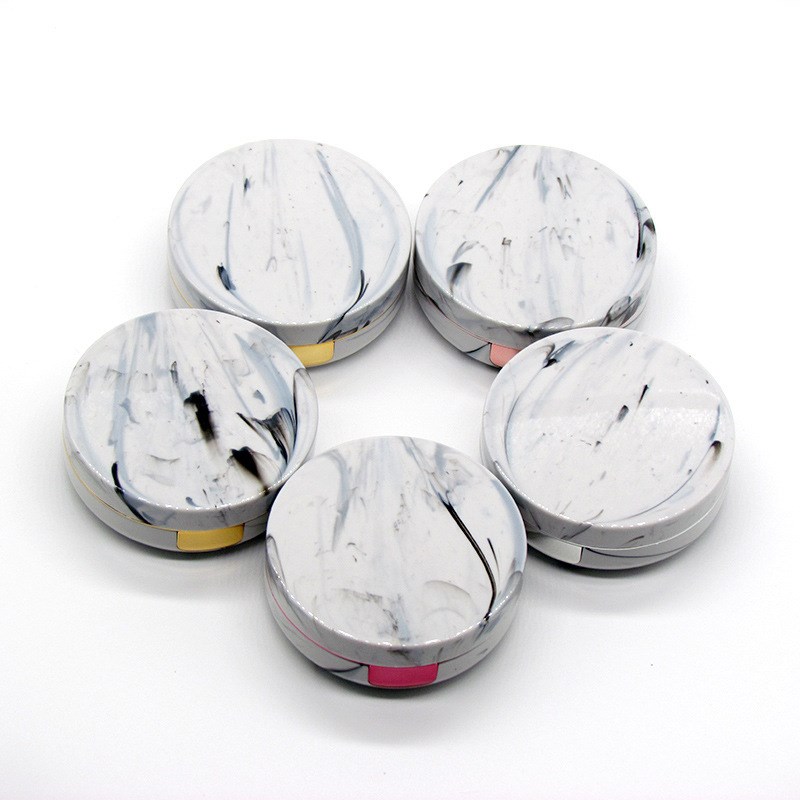
As a dedicated B2B partner, we specialize in OEM, ODM, and turnkey private-label solutions. From material compounding (Hydrogel/Polyhema) to bespoke pattern design and compliant blister packaging, Chic Contacts provides global distributors and vision care brands with unparalleled stability, scale, and safety.
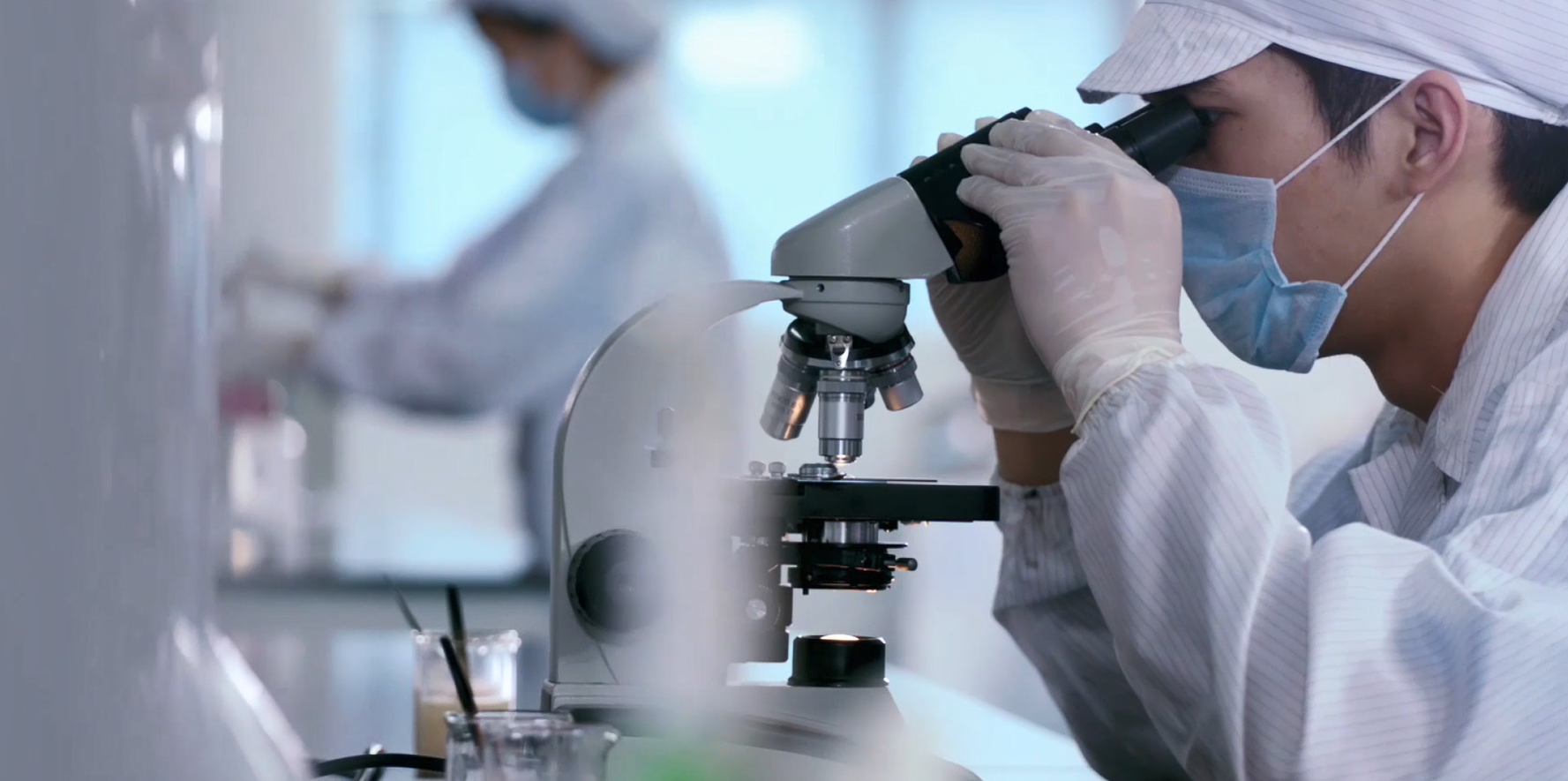
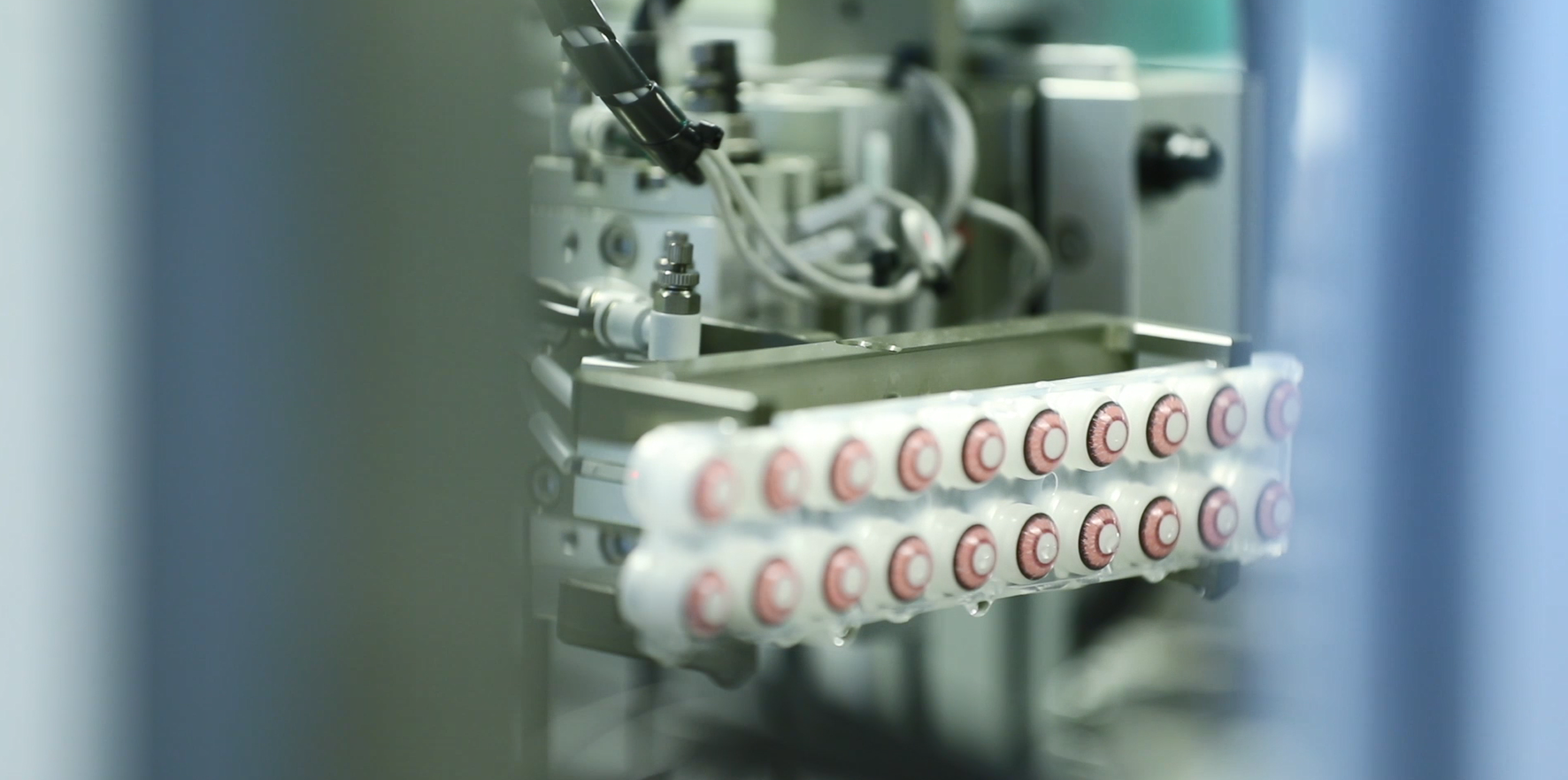
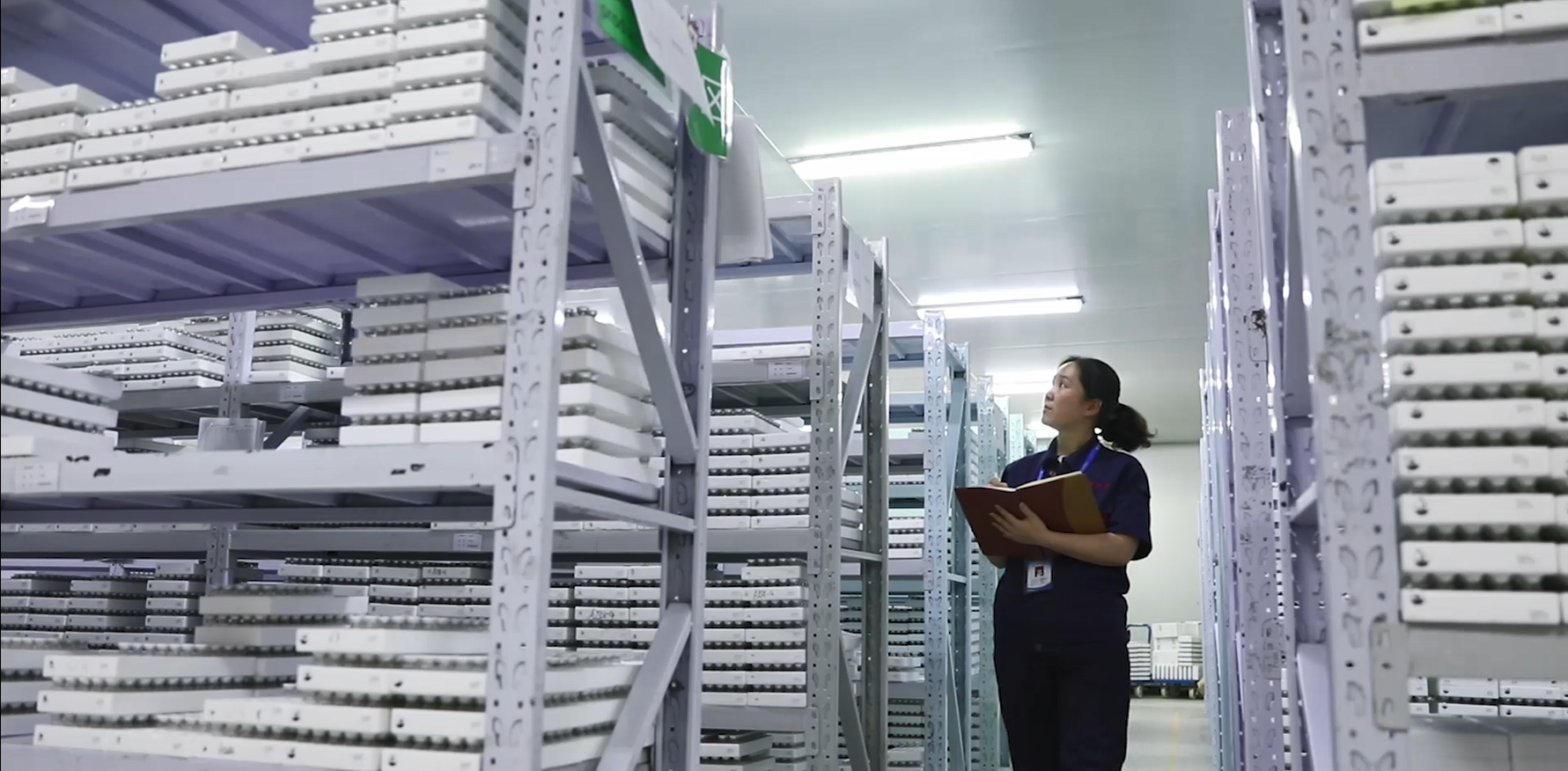
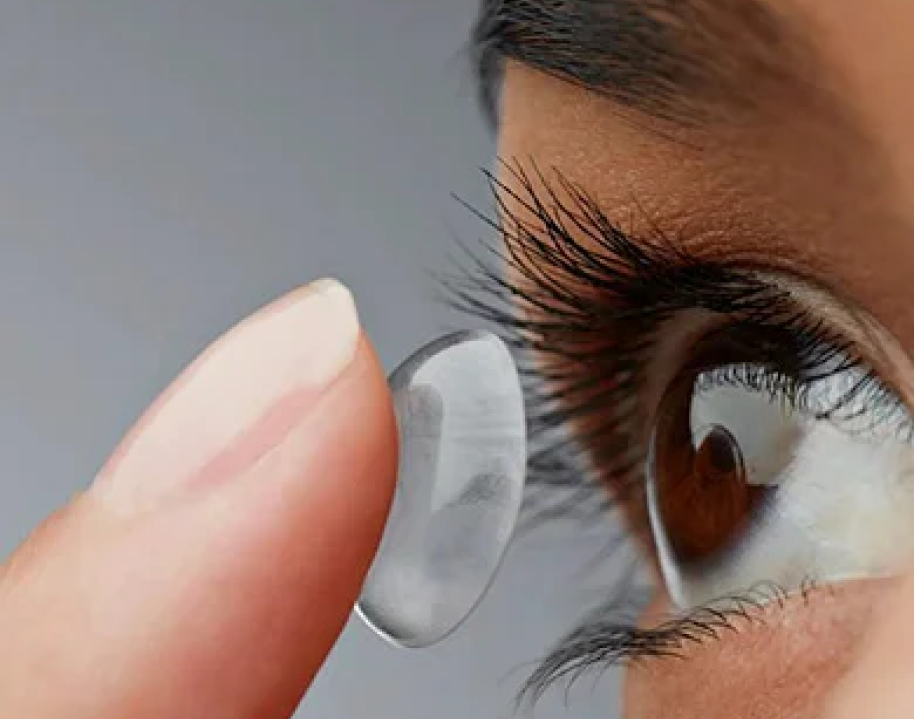
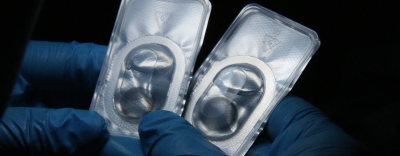
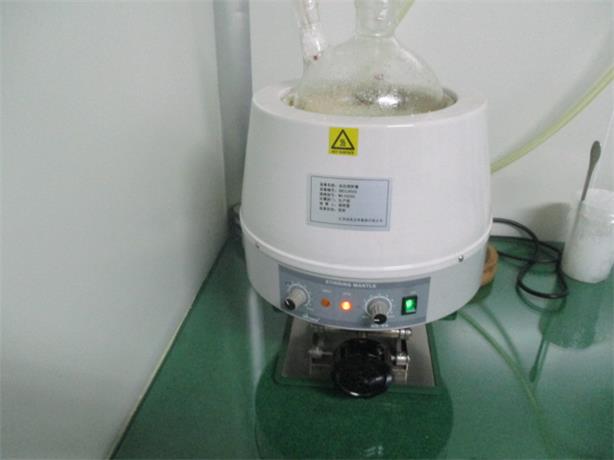
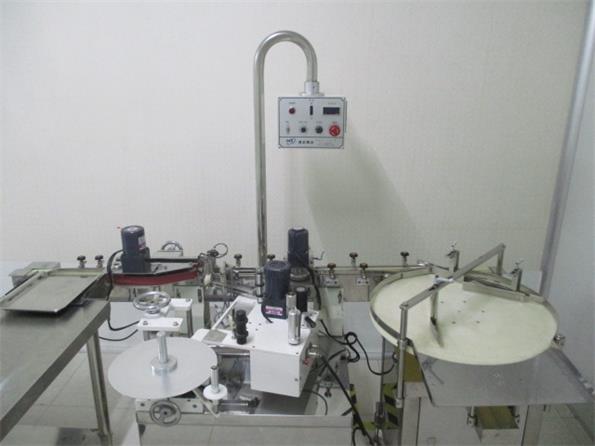
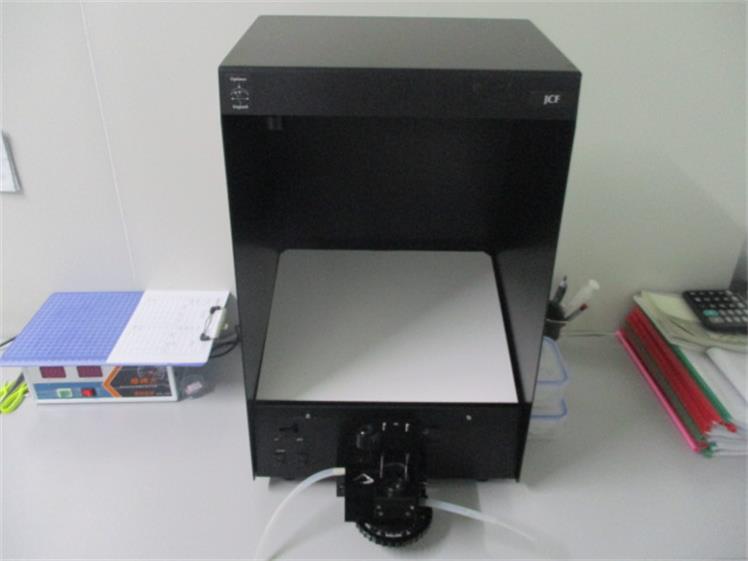
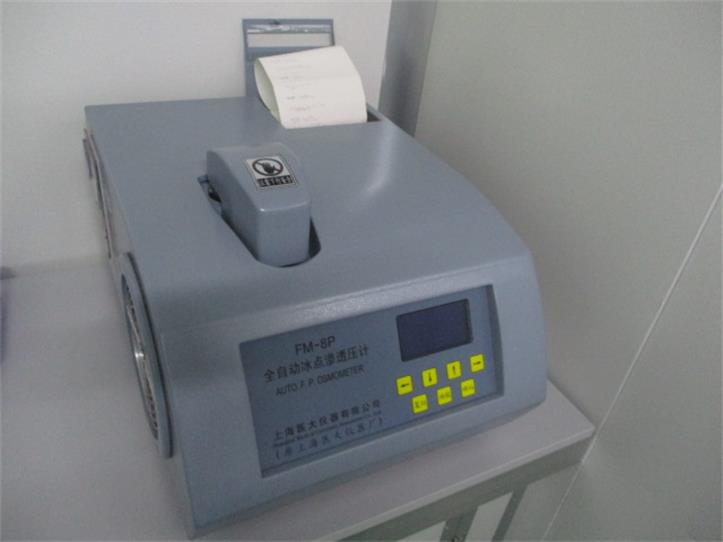
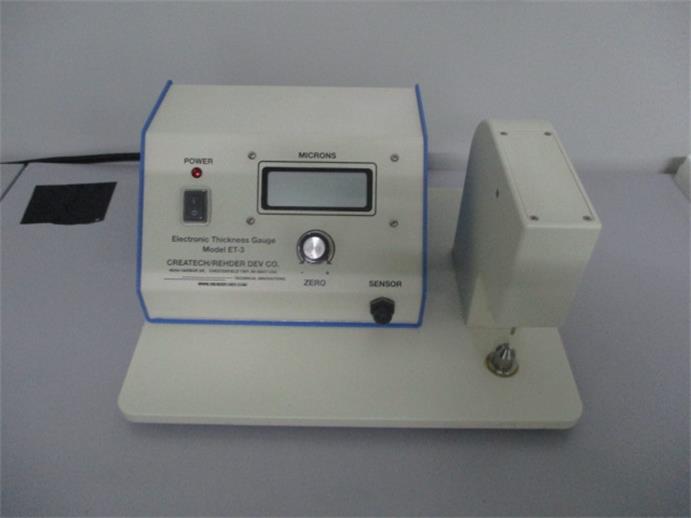
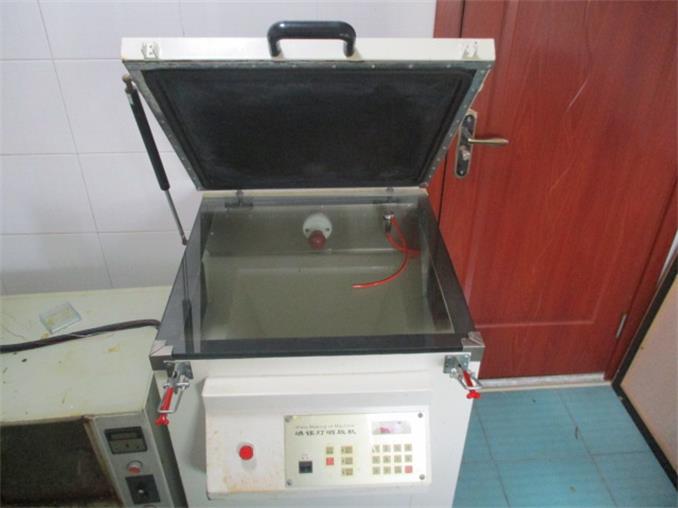
Explore our 26-step automated cast-molding, optical testing, and cleanroom packaging workflow.
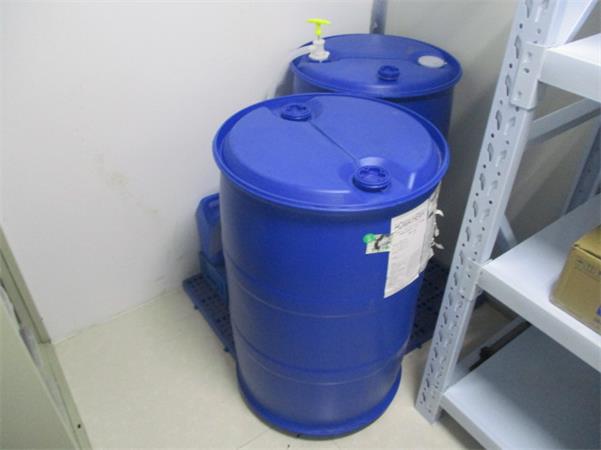
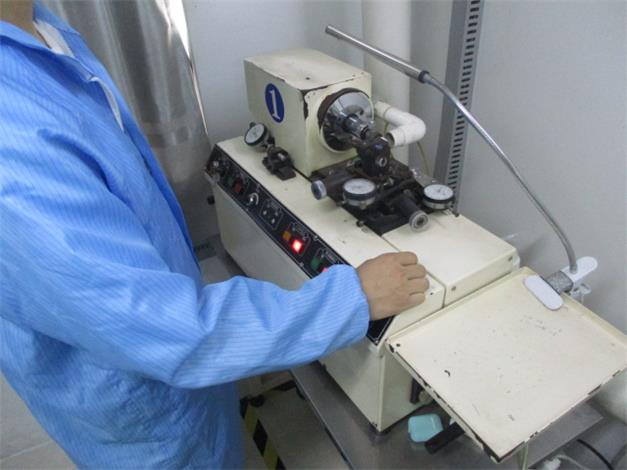
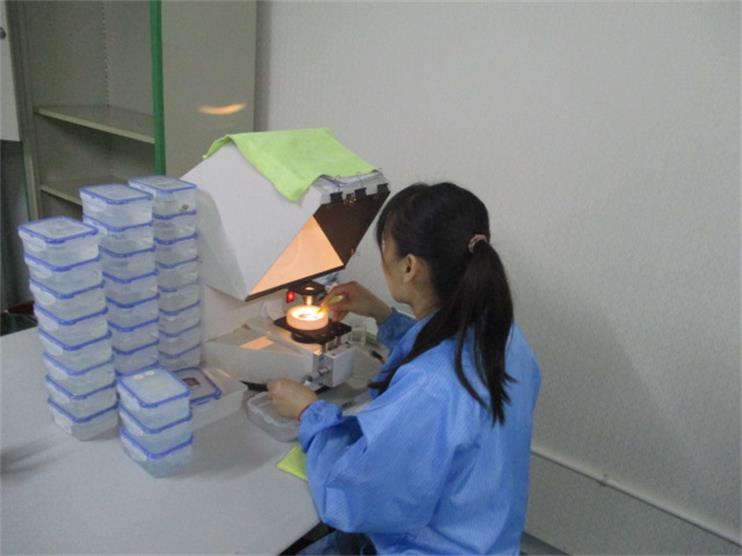
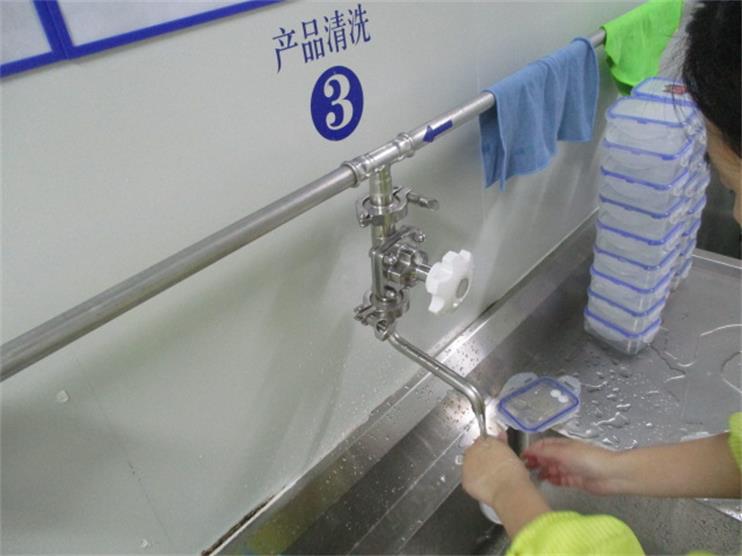
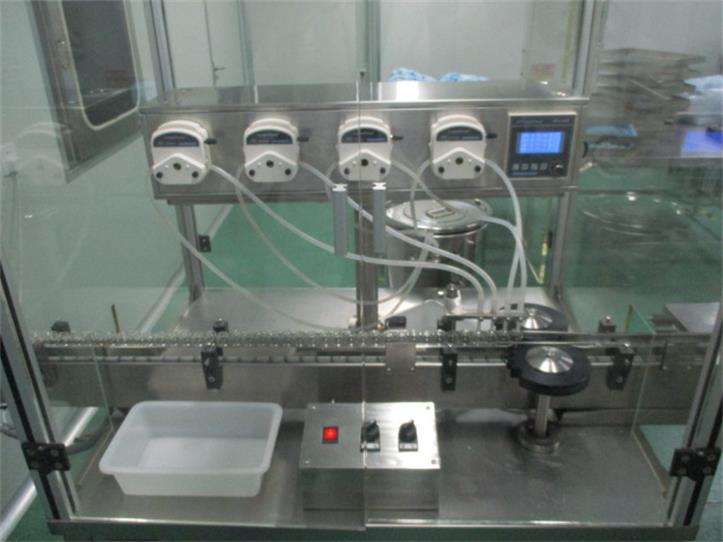
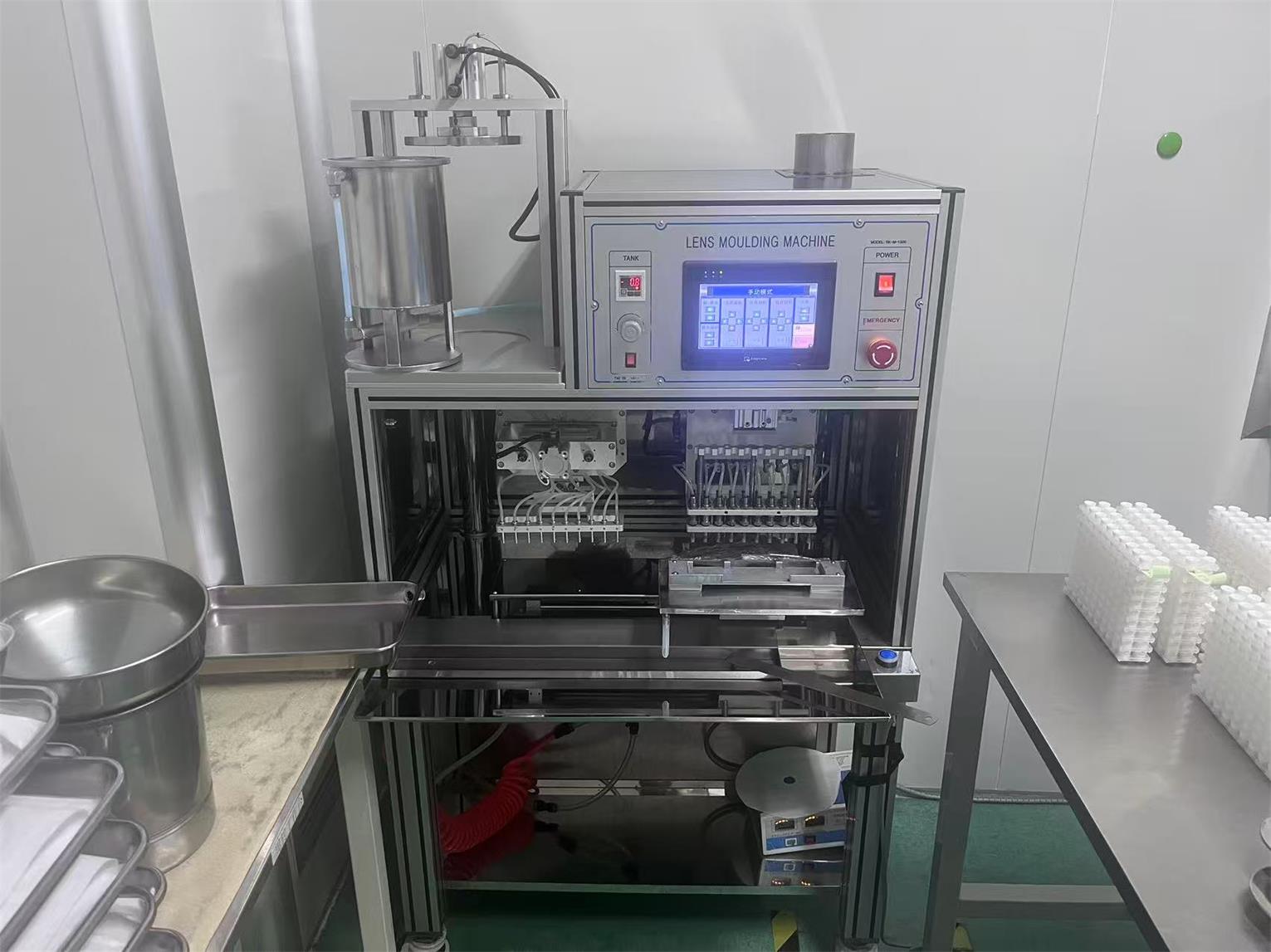
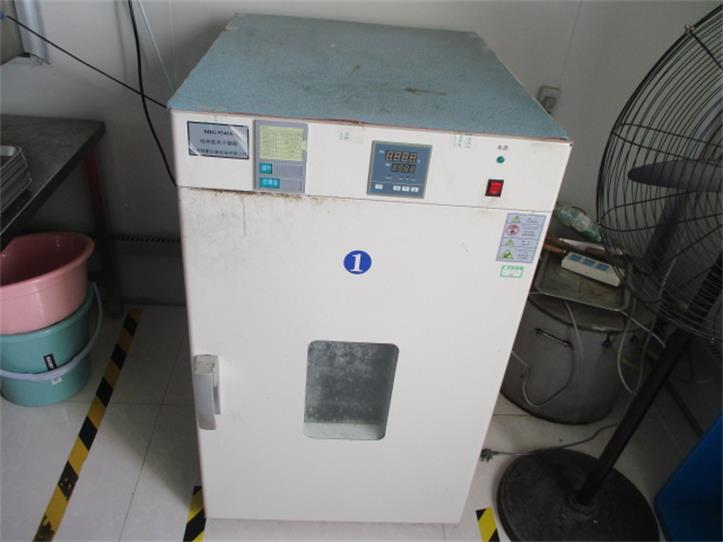
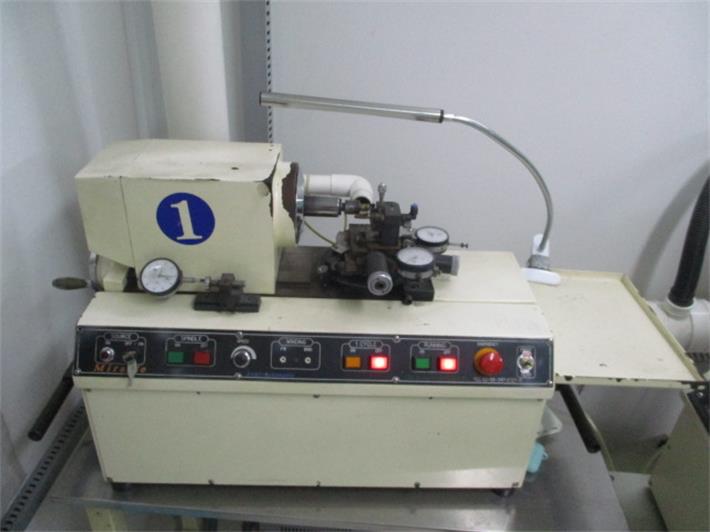
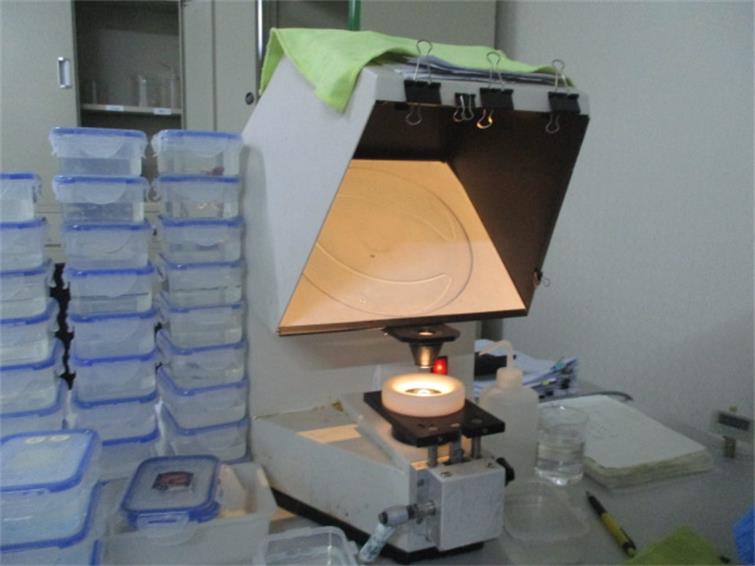

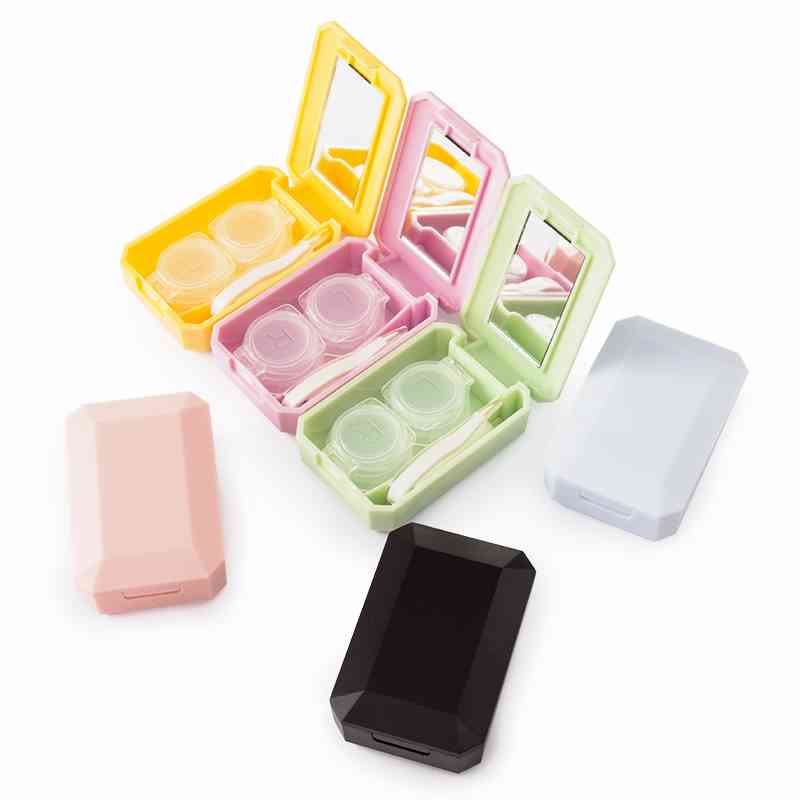
Key drivers shaping the future of photochromic and cosmetic vision care products worldwide.
Modern consumers increasingly participate in outdoor athletics, golf, cycling, and travel, driving demand for hands-free glare control. Transition contact lenses remove the need to frequently swap between clear prescription contacts and prescription sunglasses, delivering continuous optical comfort under changing solar intensities.
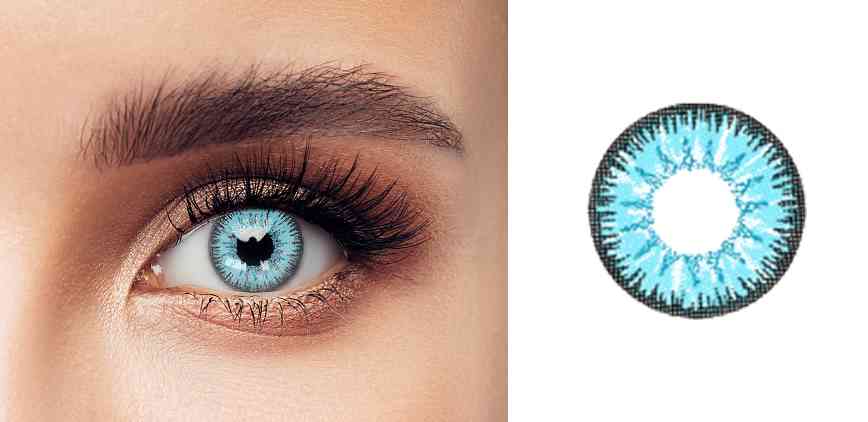
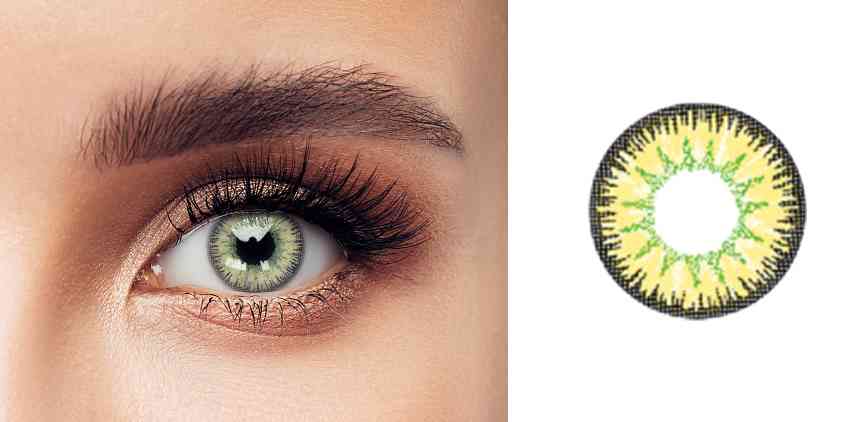
A fast-emerging market trend is the fusion of cosmetic iris enhancement with dynamic photochromic light response. Global buyers are sourcing 2-tone and 3-tone natural color lenses that enhance eyes aesthetically indoors while instantly darkening into sleek, light-filtering protective shields when exposed to natural sunlight.
With office workers spending 8+ hours daily before digital monitors, light-adaptive contact lenses are formulated to filter harmful 415-455nm HEV blue light. This reduces digital eye fatigue, headaches, and dry-eye symptoms caused by high-intensity screen glare.
Global optical chains are expanding their margins by establishing OEM private-label brands. Direct factory partnerships enable custom blister branding, compliant multi-language box printing, and variable diopter power ranges (-0.50 to -10.00D) delivered at lower unit manufacturing costs.
In-depth insights addressing key inquiries from global vision care distributors and brand owners.
Browse additional high-demand cosmetic, prescription, and packaging solutions available for immediate manufacturing batch orders.

 Chroma Lenses