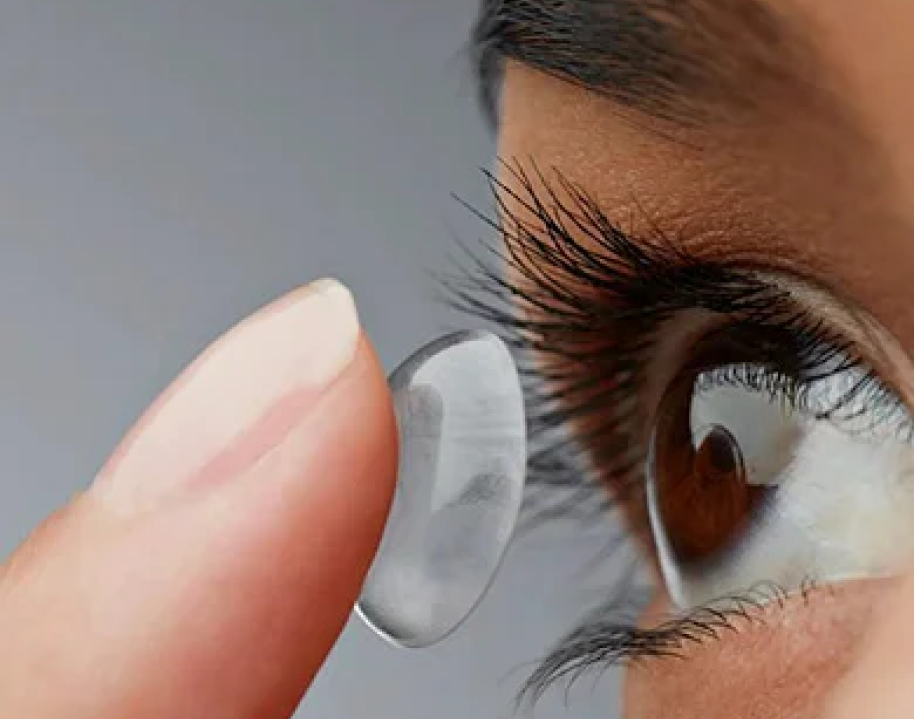
High-precision soft contact lenses manufactured to international medical parameters, presenting structural stability and premium design aesthetics.
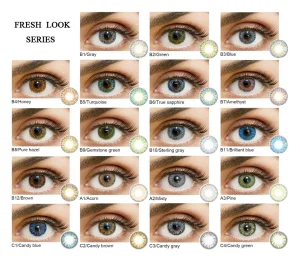

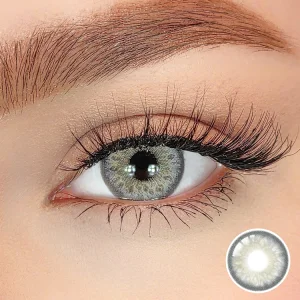
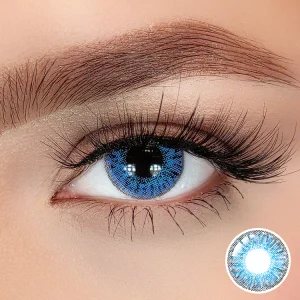
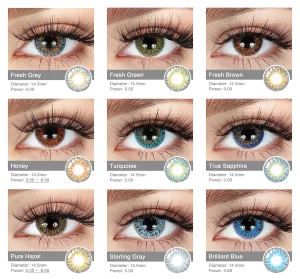
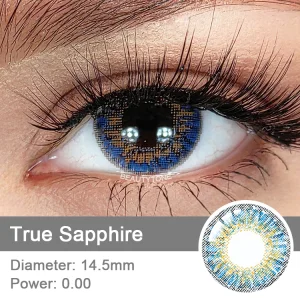
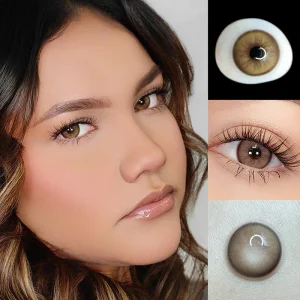

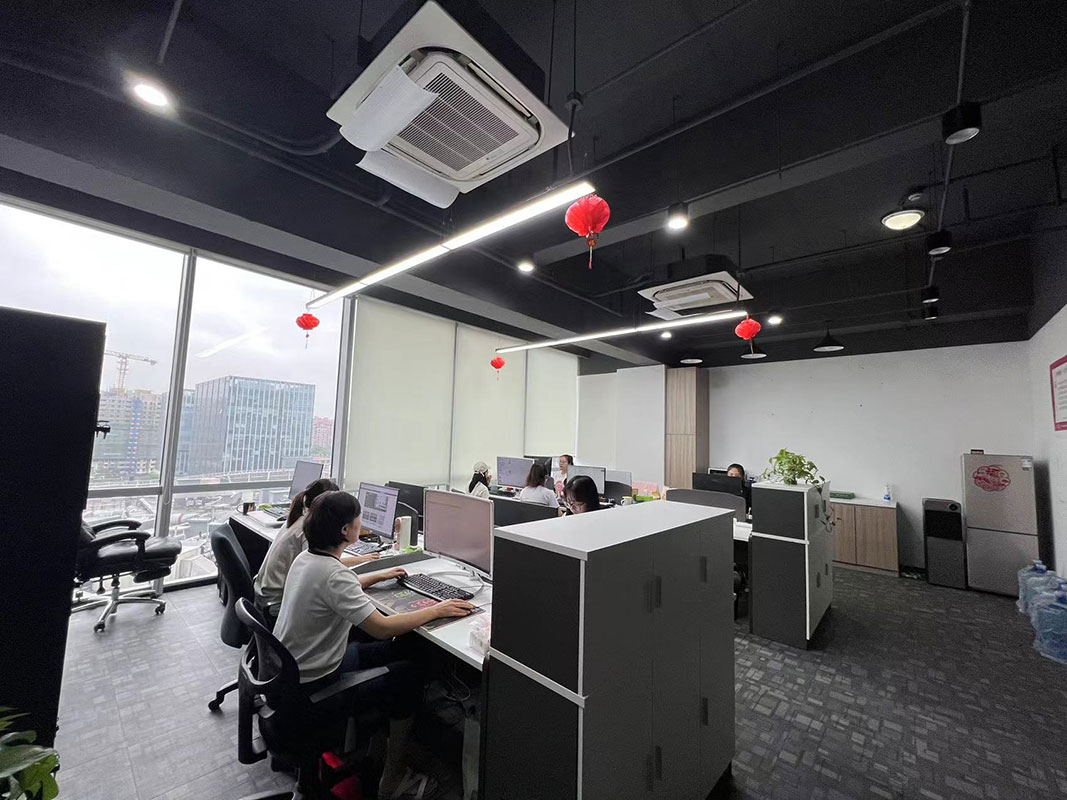
Guangzhou Chroma Lenses Technology Co., Ltd. is a premier industrial-scale manufacturer specializing in the advanced R&D, precision formulation, and mass production of high-performance soft contact lenses and cosmetic colored lenses. Strategically headquartered in Guangzhou with our primary manufacturing infrastructure based in the optical cluster of Dongguan, China, we operate an integrated facility bridging cutting-edge polymer chemistry with robust medical-grade automation.
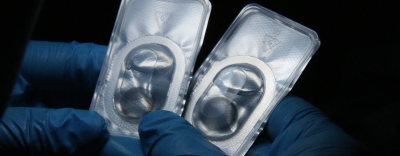
As a dedicated B2B partner, we specialize in comprehensive OEM, ODM, and turnkey private-label solutions. From custom material compounding (including Hydrogel and PolyHEMA formulations) to bespoke multi-tone graphic printing and sterile blister packaging, we provide global distributors, optical groups, and cosmetics brands with consistent product stability, massive scalability, and verified biological safety.
Manufacturing Compliance Standards: Built upon international quality management protocols, our entire operational flow conforms strictly to CE, ISO 13485, and national medical device regulations, ensuring clear traceability and clinical safety for export globally.
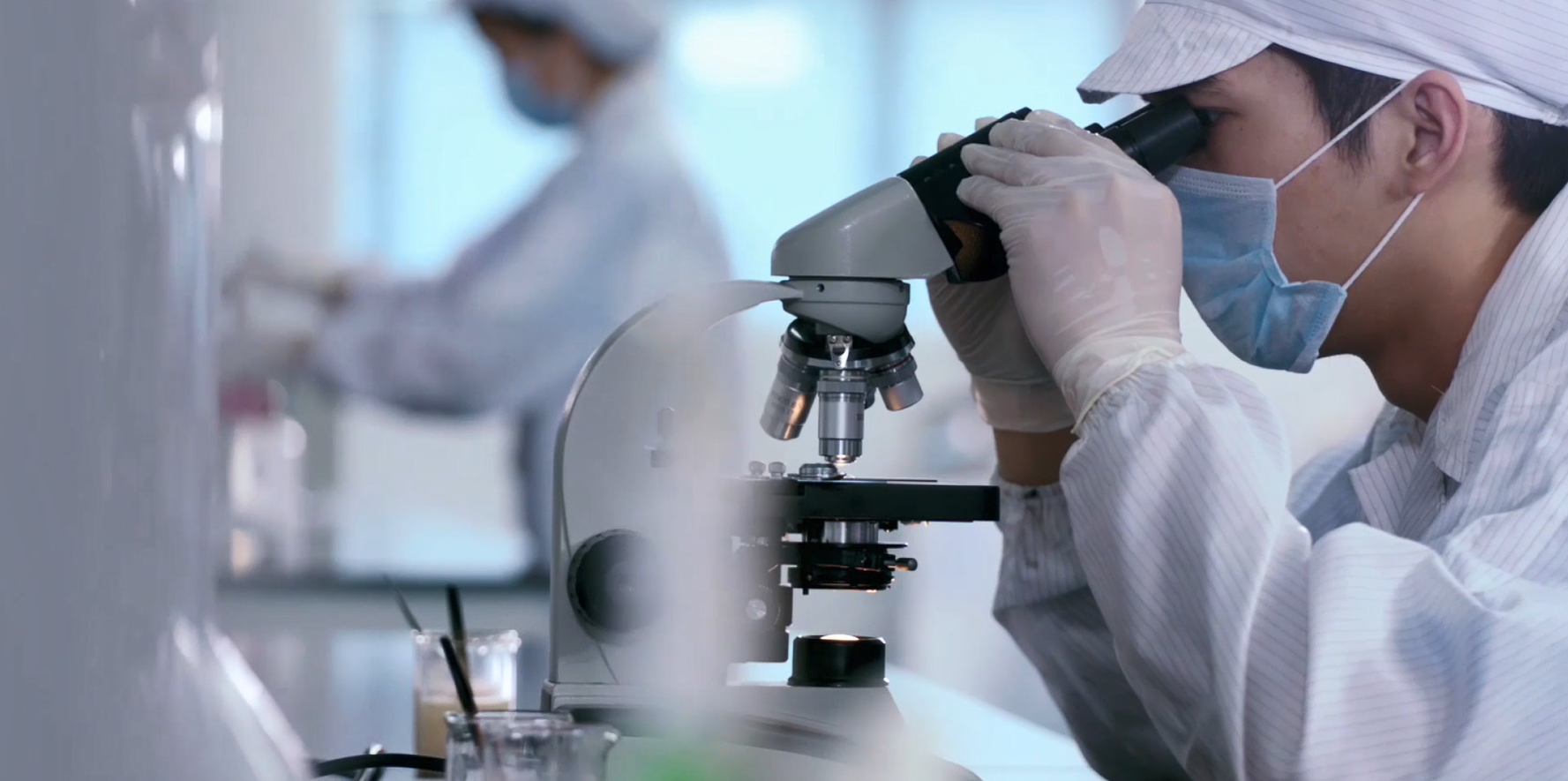
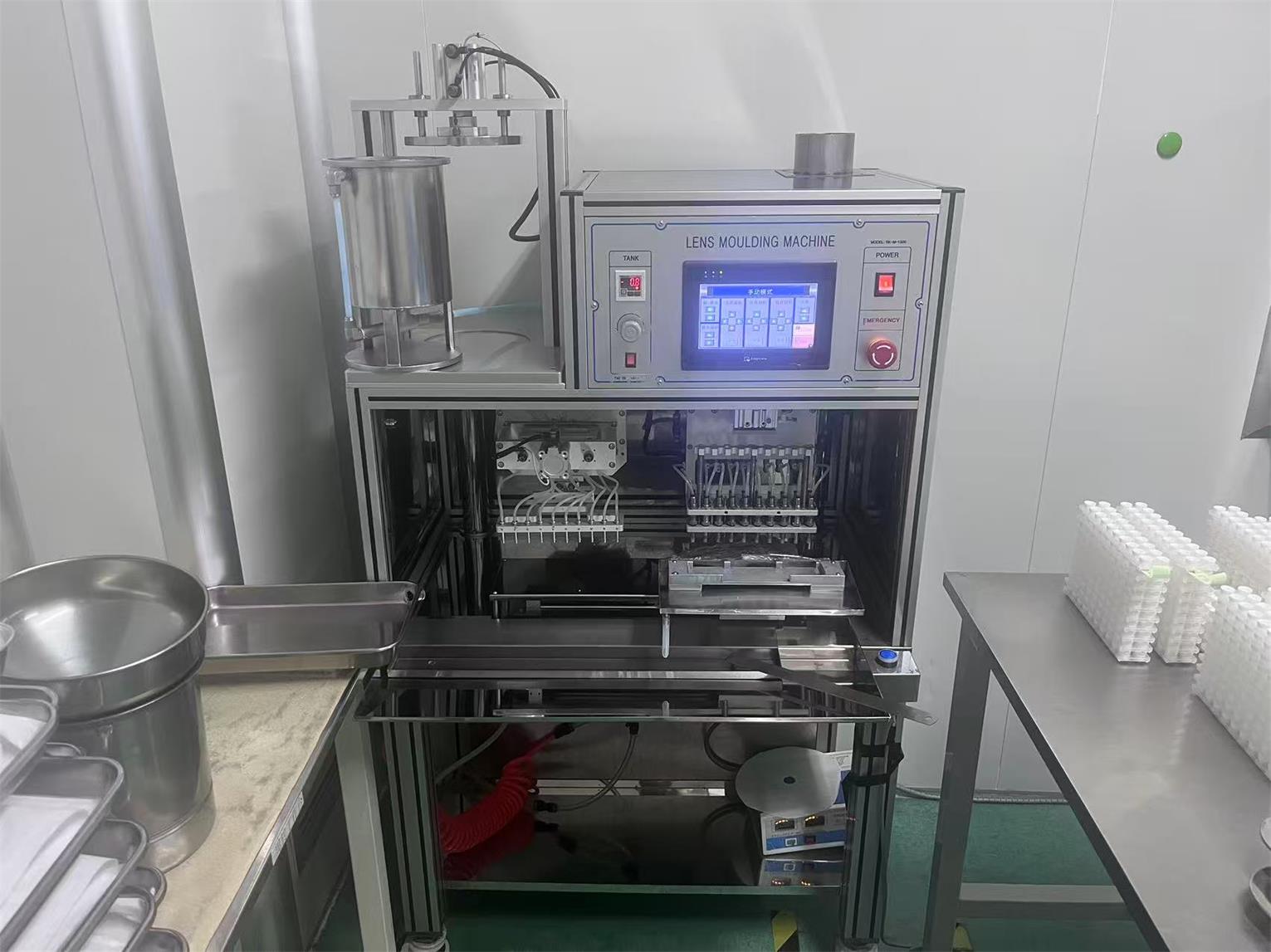
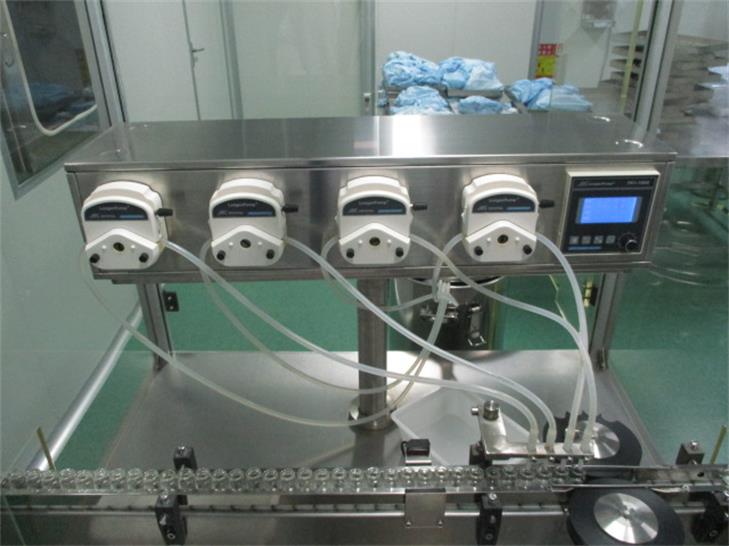
Under strict Class 100,000 cleanroom controls, our facility utilizes automated casting technology to achieve reliable geometric tolerance and optical power consistency.
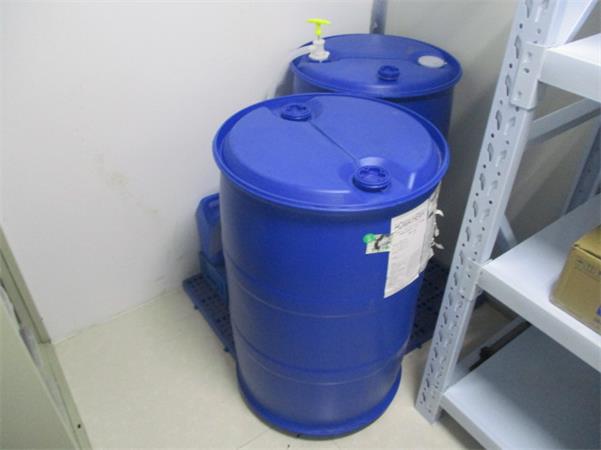
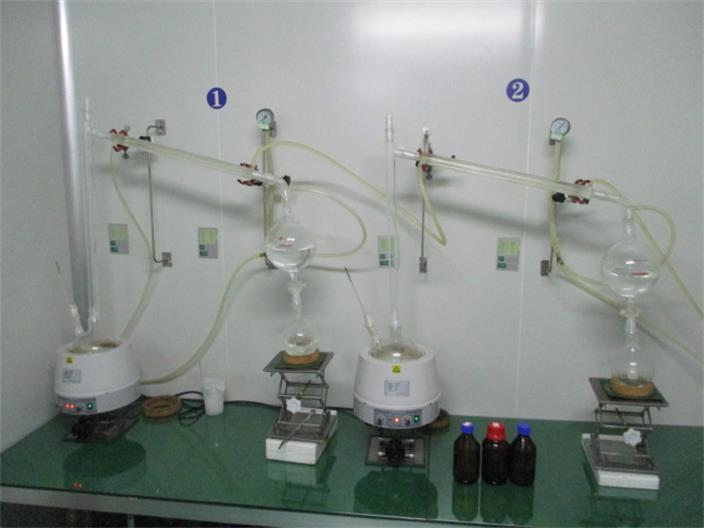
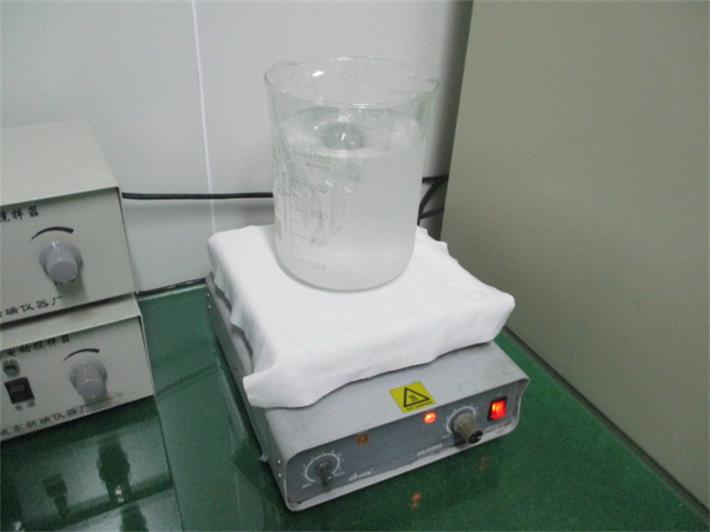
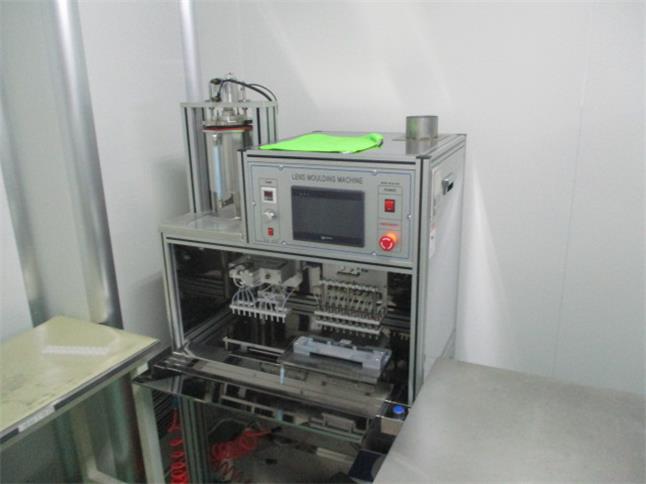
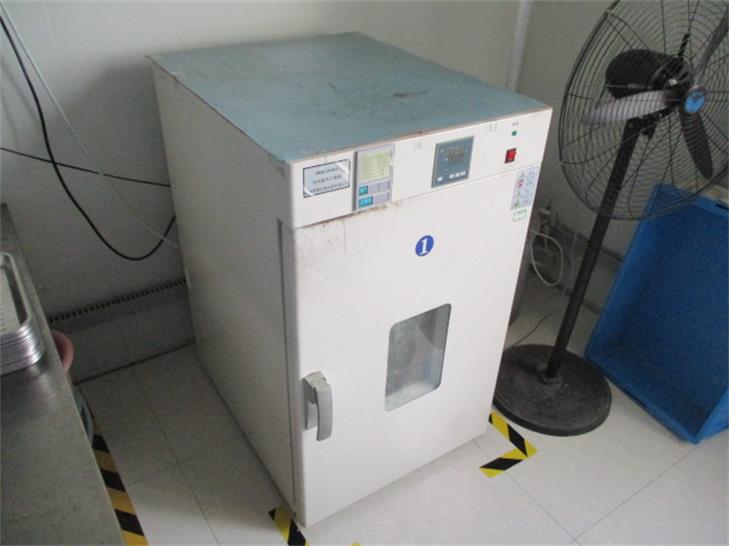
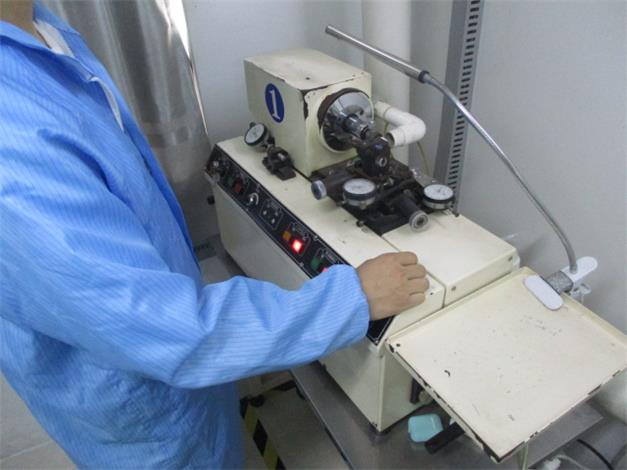
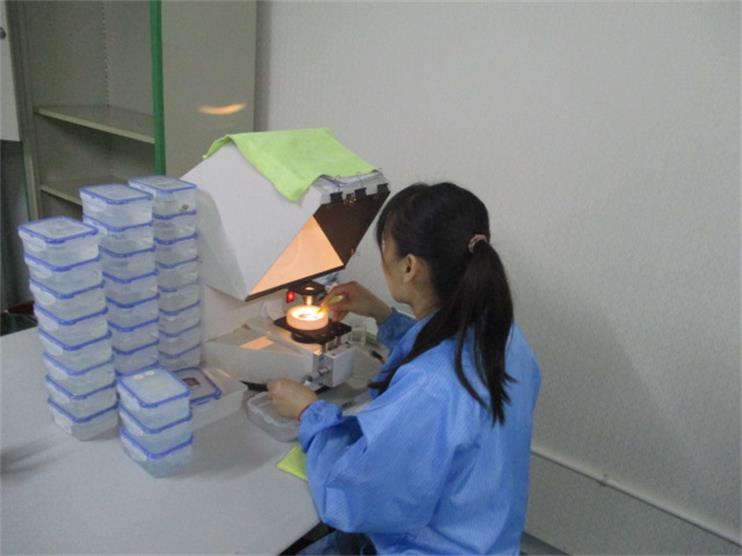
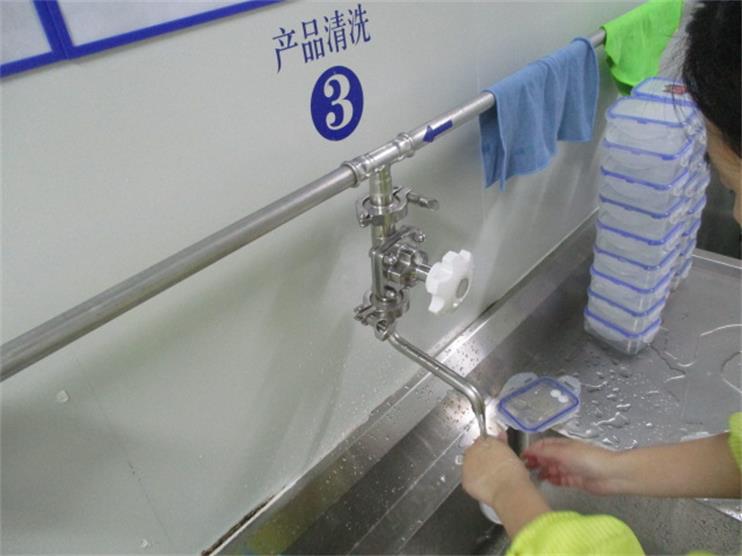
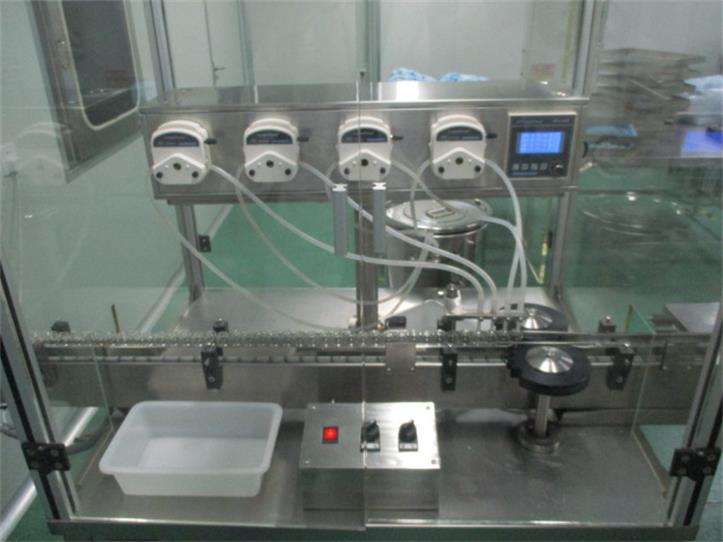
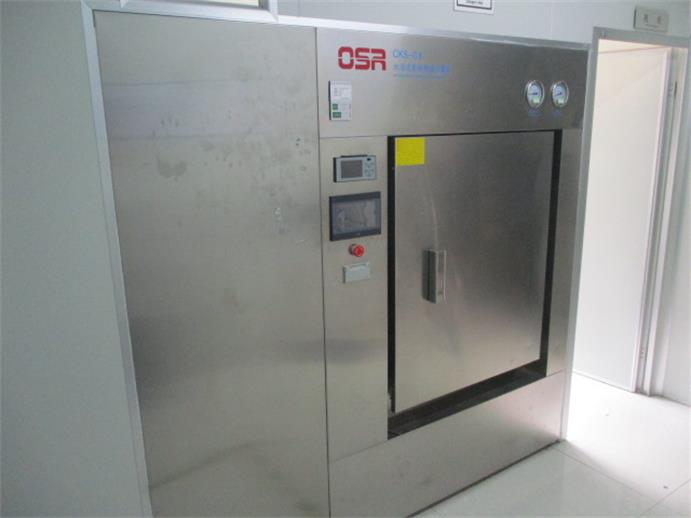
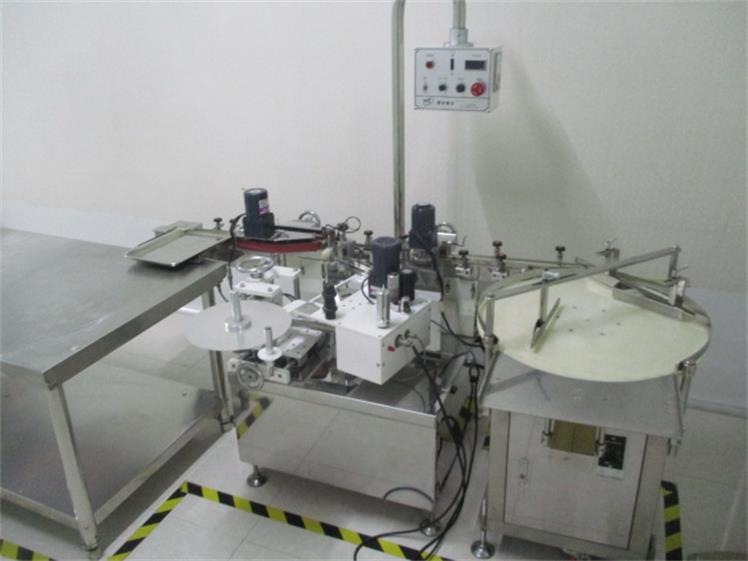
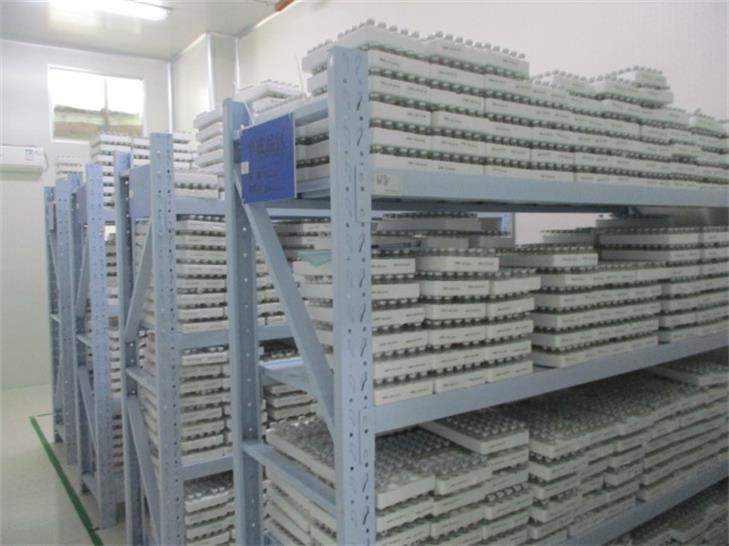
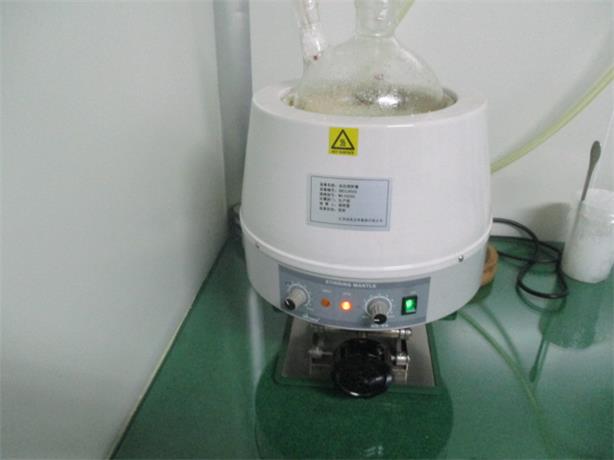
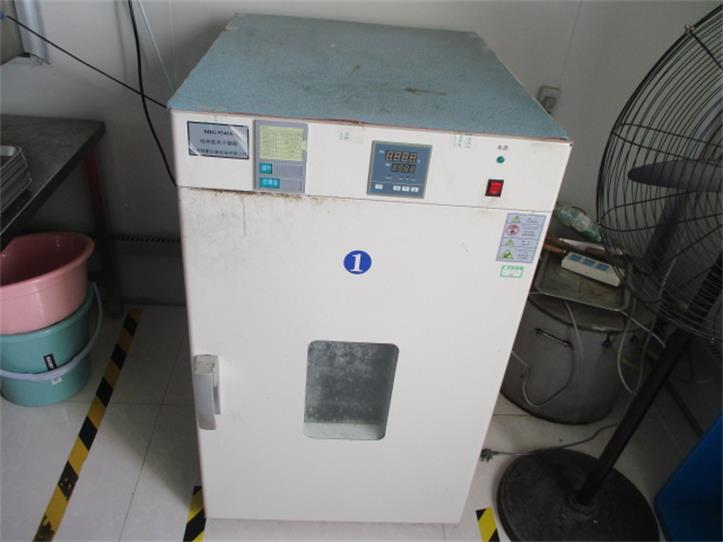
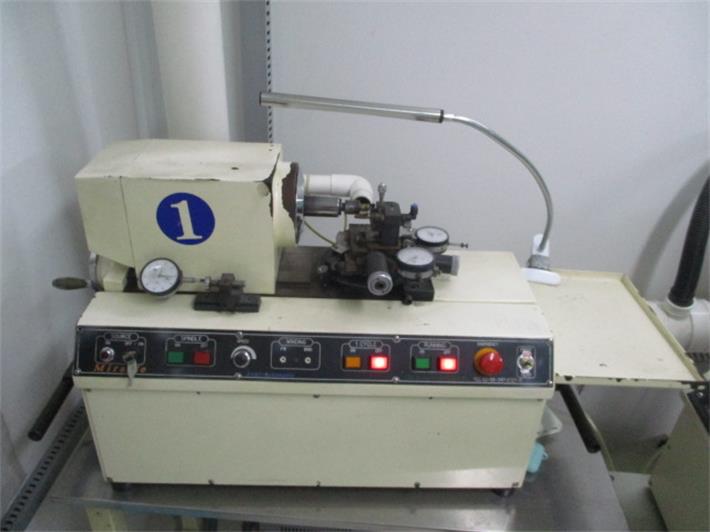
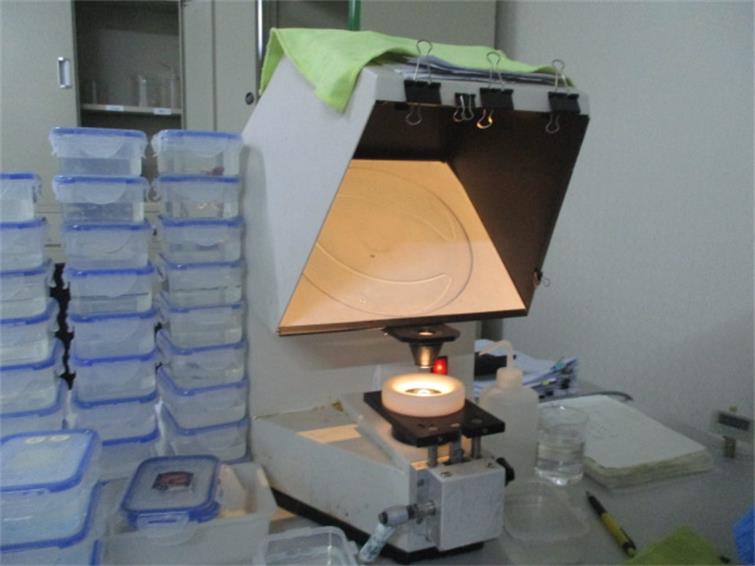
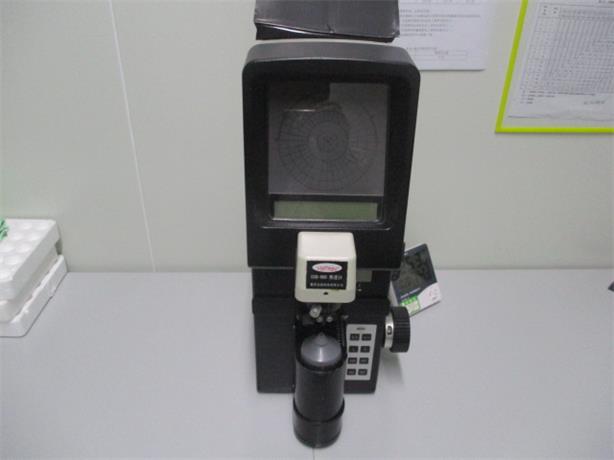
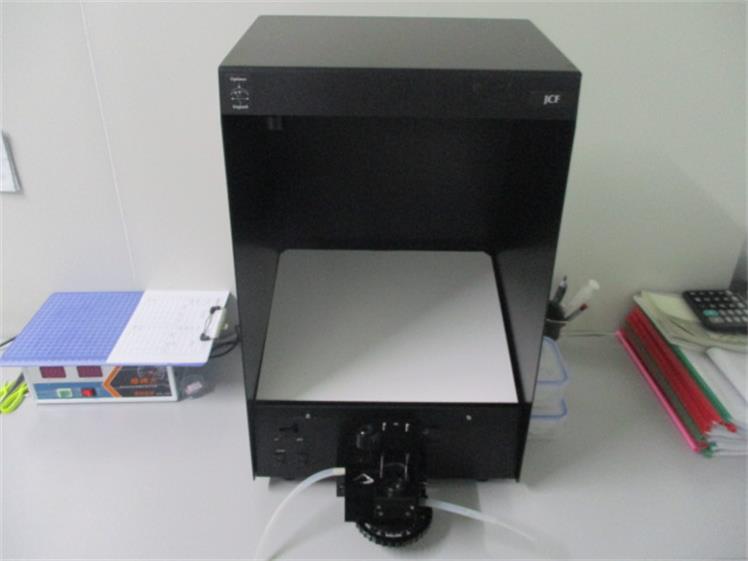
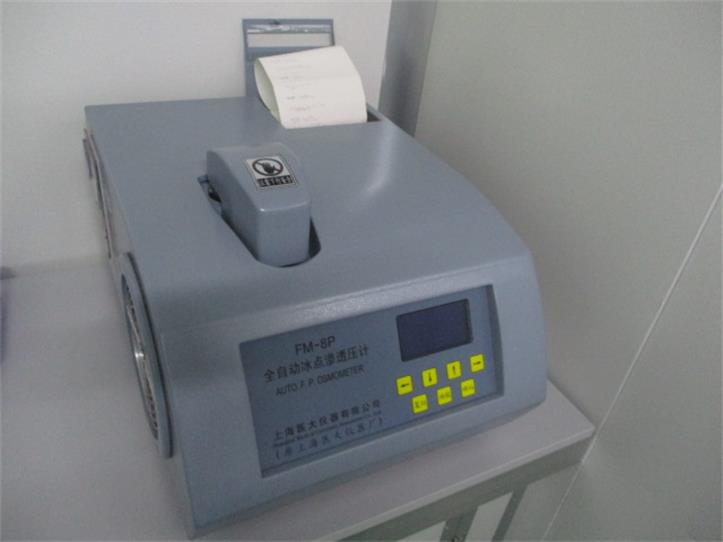
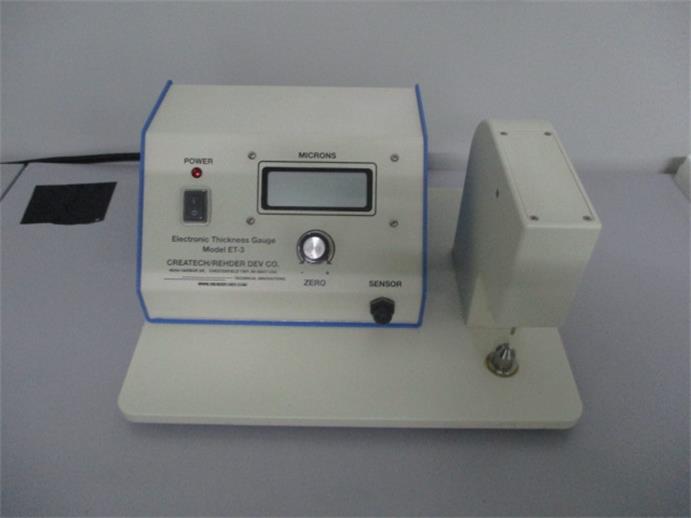
High-precision diagnostic instruments and processing equipment ensure each batch matches specified sag values, thicknesses, and diopters.
Within ocular biometry and lens fitting protocols, the 14.2mm overall diameter (OAD) has established itself as the optimal geometric compromise for global demographics. Ocular health requires that a soft lens covers the entire cornea while providing a balanced peripheral landing zone over the limbus. The average human corneal diameter—often calculated as the Horizontal Visible Iris Diameter (HVID)—ranges from 11.5mm to 12.1mm. A lens with a 14.2mm diameter offers a peripheral coverage margin of approximately 1.0mm to 1.35mm. This margin is critical: it distributes the lens's bearing forces evenly across the sclera, maintains mechanical centration during blink dynamics, and supports adequate tear exchange through the post-lens lacrimal fluid channel. For B2B importers, specifying a 14.2mm diameter ensures a high fitting success rate across diverse target markets, minimizing returns due to decentration, edge lift, or tight lens syndrome.
The manufacturing architecture at Guangzhou Chroma Lenses is structured around two key material groups: traditional Hydrogels (PolyHEMA) and advanced Silicone Hydrogels (SiHy). The choice of material defines the oxygen permeability (Dk/t) profile, which is key to preventing corneal hypoxia, stromal swelling, and peripheral limbal hyperemia.
A primary challenge with silicone hydrogel structures is the inherent hydrophobicity of silicones, which can lead to lipid deposition and poor tear film stability. To counteract this, our R&D department employs plasma-free wet hydration processes alongside active moisture agents like Polyvinylpyrrolidone (PVP) embedded directly into the monomer formulation. This creates a highly hydrophilic surface matrix, locking in moisture and preventing lipid adherence. In cosmetic colored lenses, we utilize a precise 3-layer "Sandwich" color lock technology. The pigments are encapsulated within a biocompatible PolyHEMA shell, preventing direct contact between the ink pattern and the corneal epithelial cells. This maintains safety while retaining high pigment vibrancy.
Looking to the future, our engineering roadmap integrates optical enhancements such as blue-light filtering monomers and UV-blocking coatings (Class I UV blocking, absorbing >90% of UVA and >99% of UVB rays). We are also refining automated production setups for custom base curves (BC). While 8.6mm serves as the industry standard, our precision lathe machinery can adjust sag heights to customize base curves from 8.4mm to 8.8mm. This customization allows partners to target regional anatomical variations, such as the flatter corneal profiles common in certain Asian populations.
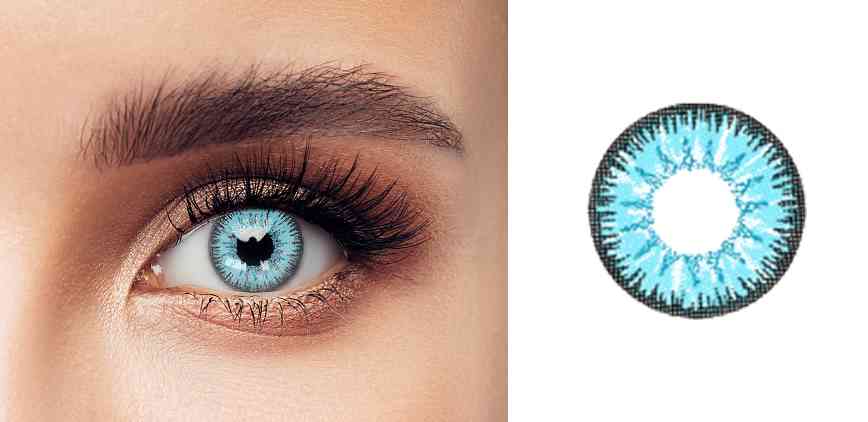
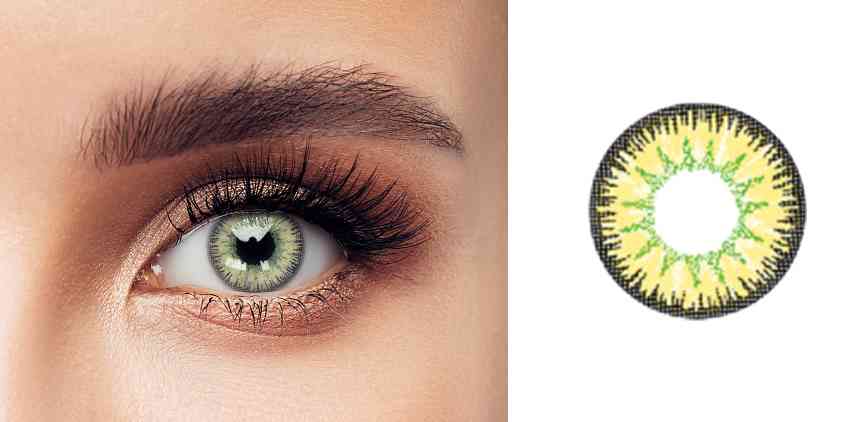
Launching and scaling a contact lens brand requires navigating complex production, regulatory, and logistics workflows. Guangzhou Chroma Lenses acts as a full-service partner, offering turnkey B2B solutions. We manage the development process from initial liquid monomer compounding and custom graphic design to final sterile blister packing and international distribution. Our design team creates high-resolution, multi-tone graphic files that simulate natural iris textures, ensuring appealing depth on both dark and light eyes.
For large-scale distributors, managing a product portfolio that spans sphere powers (ranging from 0.00D to -10.00D), cylinder variations, and multiple colorways can result in thousands of individual SKUs. We help clients mitigate inventory risk through structured supply strategies:
As international markets implement stricter environmental regulations, sustainable packaging has become a key requirement for retail success. We are updating our packaging lines to minimize plastic waste by utilizing medical-grade polypropylene blister packs with reduced wall thicknesses, while still maintaining package integrity during sterilization. Additionally, we use soy-based inks and FSC-certified paperboard for all retail box packaging, helping clients align their products with global environmental standards.
Contact lenses are classified as medical devices globally, requiring strict conformity and pre-market clearance. In the European Union, they are classified as Class IIa (clear) or Class IIb (colored) devices under the Medical Device Regulation (MDR 2017/745). In the United States, they require a 510(k) clearance as Class II devices. Guangzhou Chroma Lenses operates under ISO 13485 Quality Management Systems for Medical Devices. Our regulatory affairs team provides complete technical files, clinical evaluation reports (CERs), and biocompatibility data conforming to ISO 10993 standards (including cytotoxicity, sensitization, and ocular irritation testing) to assist our clients with local registration processes.
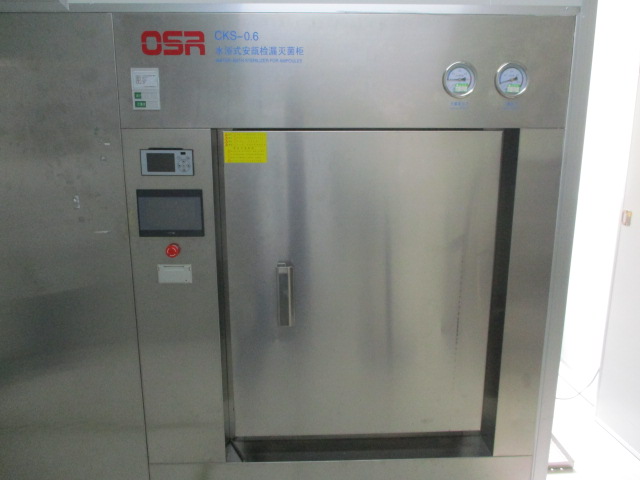
Every batch of lenses undergoes moist heat sterilization in steam autoclaves, adhering to validated cycles that achieve a Sterility Assurance Level (SAL) of 10-6. Shelf-life stability is verified through real-time and accelerated aging studies. These studies confirm that the blister pack seals, saline pH, osmolarity, and lens parameters remain stable over the designated shelf life (typically 1 to 5 years).
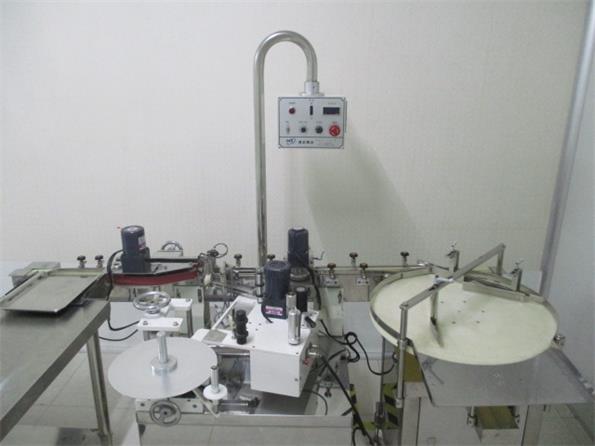
UDI and Traceability Compliance: We print Unique Device Identification (UDI) codes, batch numbers, and expiry dates on each blister pack and carton. This guarantees full product traceability from raw monomer sourcing to final retail distribution.
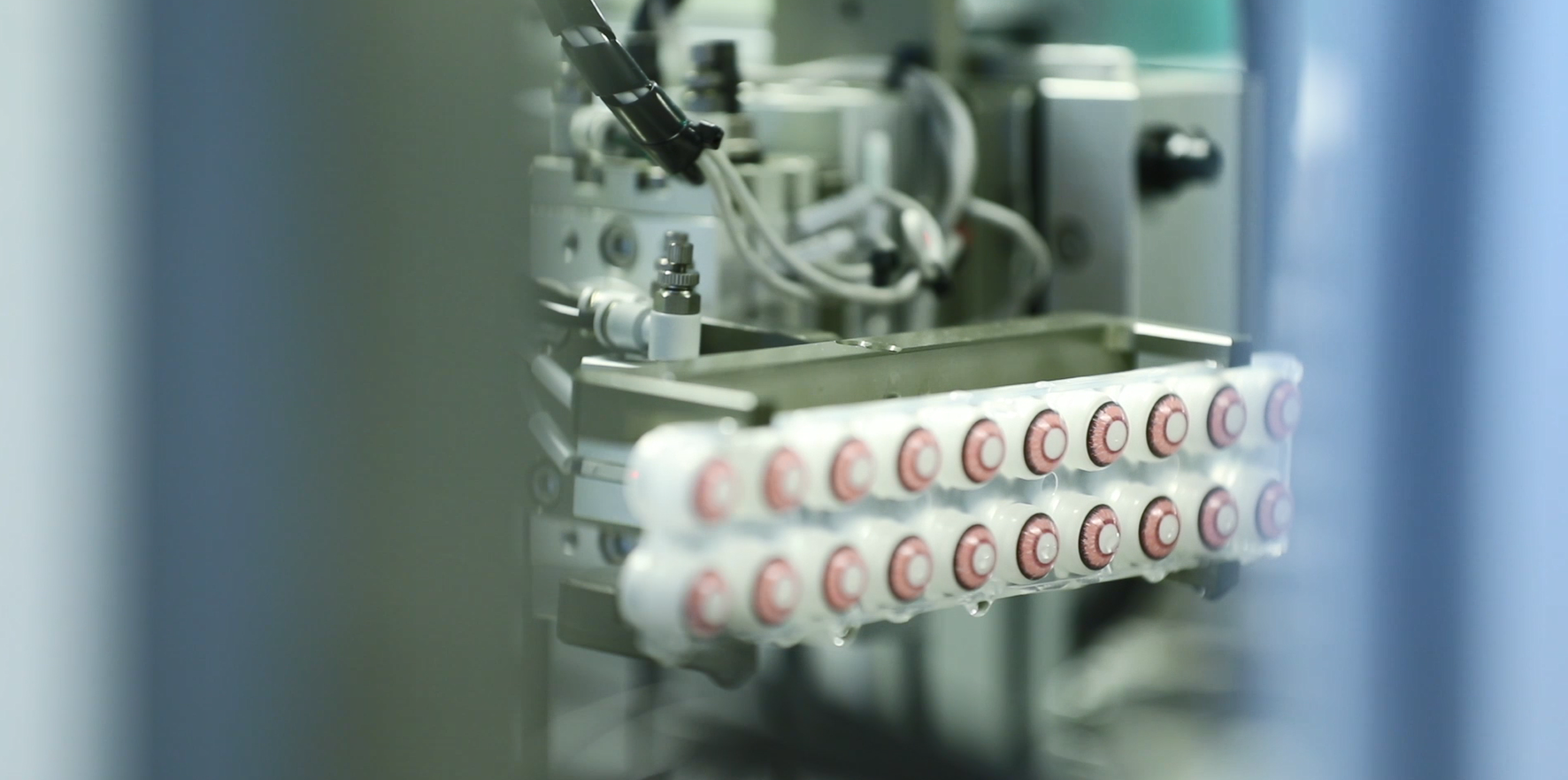
Our production facility in Dongguan utilizes high-speed automated cast-molding machinery. Unlike traditional lathe-cutting processes, which are slow and suited only for custom rigid gas permeable (RGP) lenses, cast-molding injects liquid polymer into high-precision male and female optical molds. This monomer is then cured using thermal or UV processes. This method ensures that every lens produced has identical sagittal depth and edge profiles, reducing structural variation between production runs.
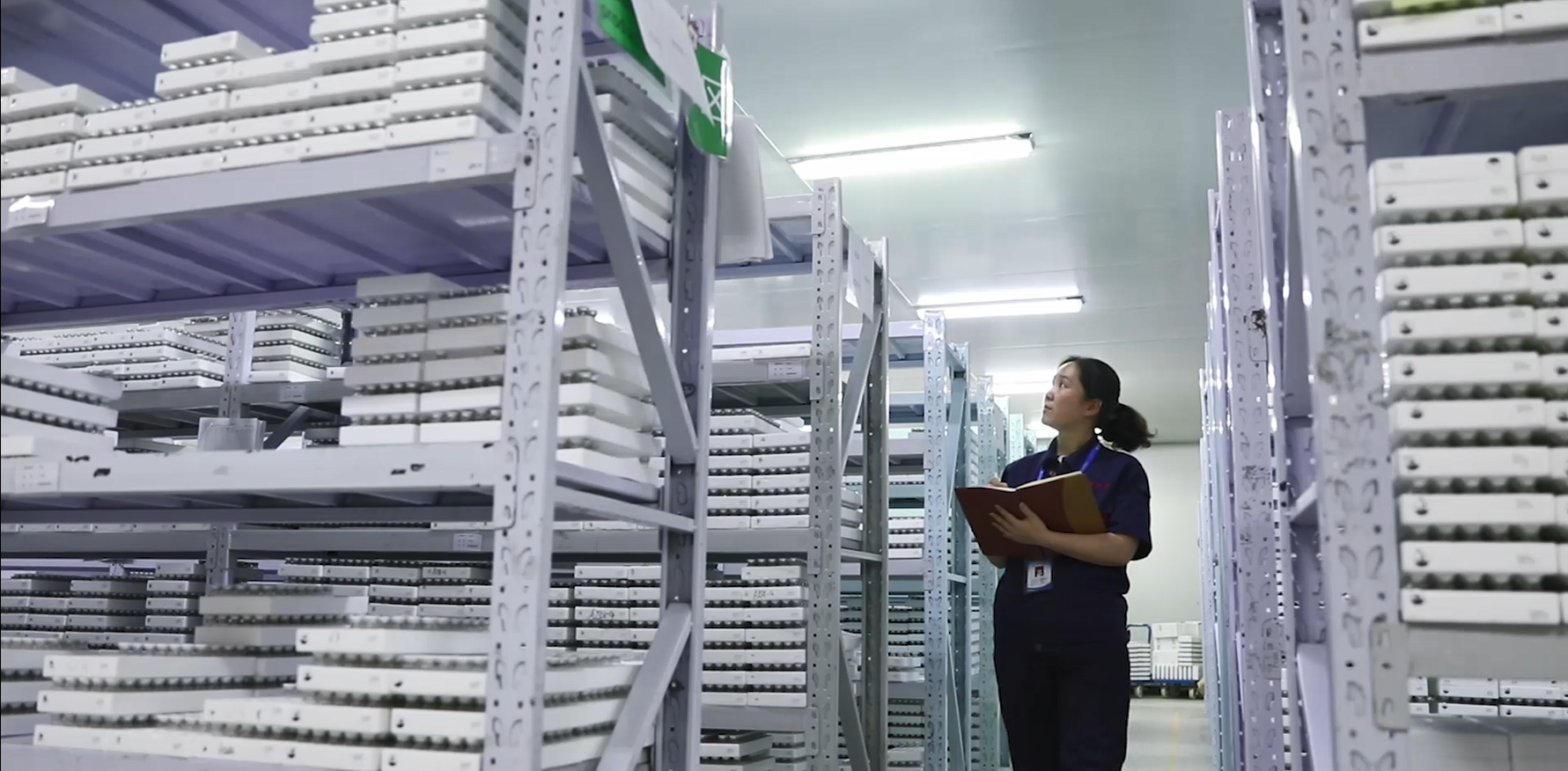
To prevent particulate contamination, which can cause micro-abrasions on the cornea, all lens hydration, extraction, and primary packaging steps are carried out within certified Class 100,000 cleanrooms. The air in these environments undergoes HEPA filtration, and temperature and humidity levels are controlled to prevent changes in the water-retention properties of the hydrophilic polymer compounds.
Traditional quality control relies on manual inspection using projectors, which is subject to human error. Our factory utilizes high-resolution inline cameras and AI-driven machine vision systems to inspect 100% of the lenses. These systems automatically detect cosmetic defects, such as bubbles, edge tears, and color shifts. Lenses that deviate from the specified tolerances are rejected immediately, helping to ensure high product consistency for every batch.
Located in the Pearl River Delta industrial hub, our facility benefits from access to specialized raw material suppliers, packaging manufacturers, and international shipping networks. This proximity allows us to secure raw materials quickly and optimize logistics pathways, offering reliable lead times and cost-efficient shipping options to major global ports.
For corporate purchasing departments and brand managers, evaluating an overseas OEM/ODM manufacturer involves assessing technical capability, product consistency, and supply security. When sourcing 14.2mm contact lenses, the following criteria are essential for establishing a reliable supply chain:
Ensure the manufacturer maintains tight control over physical parameters: Base Curve tolerance within ±0.2mm, Diameter within ±0.2mm, and Diopter Power within ±0.25D for spherical corrections. This level of consistency helps ensure high fitting rates and comfort for end users.
Confirm the factory provides ISO 10993 biological evaluation reports. These reports verify the materials are non-cytotoxic, non-sensitizing, and non-irritating to the ocular surface, protecting your brand from potential liability concerns.
A reliable supplier must have clear documentation, tracking records for raw materials, and an active ISO 13485 system. This preparation makes it easier to pass import audits and maintain regulatory clearances in your target markets.
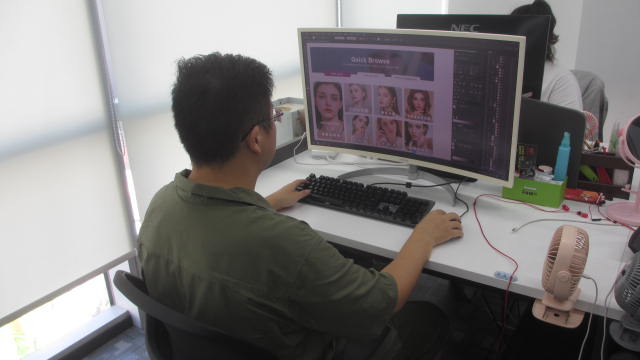
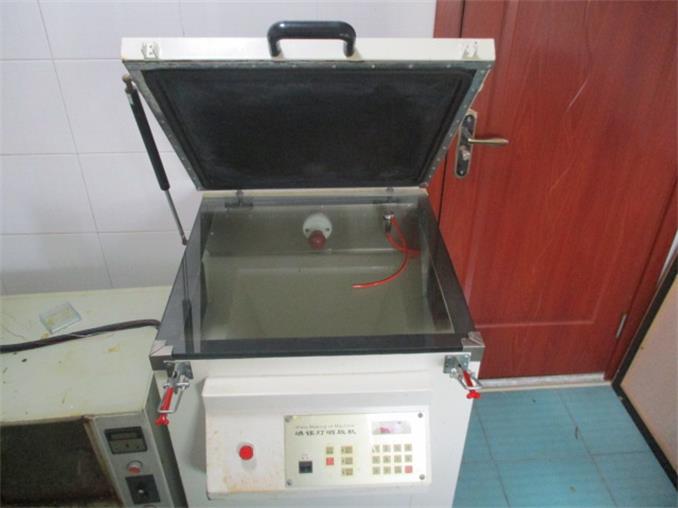
A visual tour of our production facility, cleanrooms, precision tooling, and quality assurance processes in Dongguan, China.
Technical and regulatory answers regarding our soft contact lens B2B manufacturing and supply services.
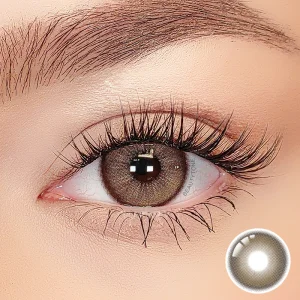
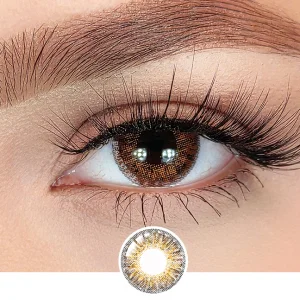
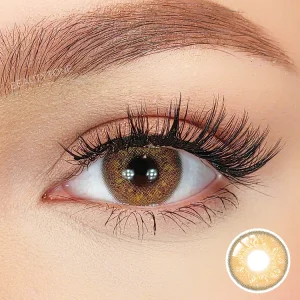
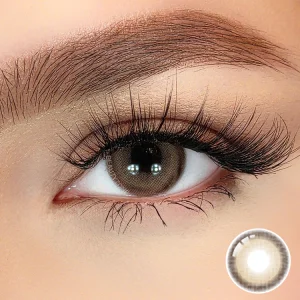
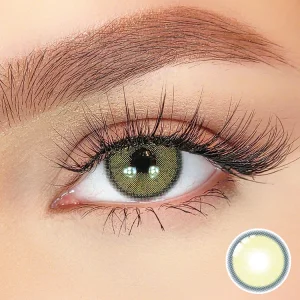
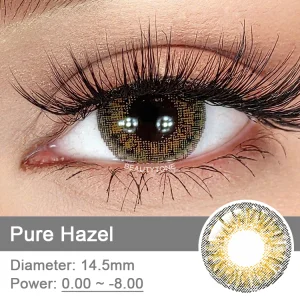
More prescription and cosmetic contact lenses designed for comfort, high water content, and consistent optical clarity.

 Chroma Lenses