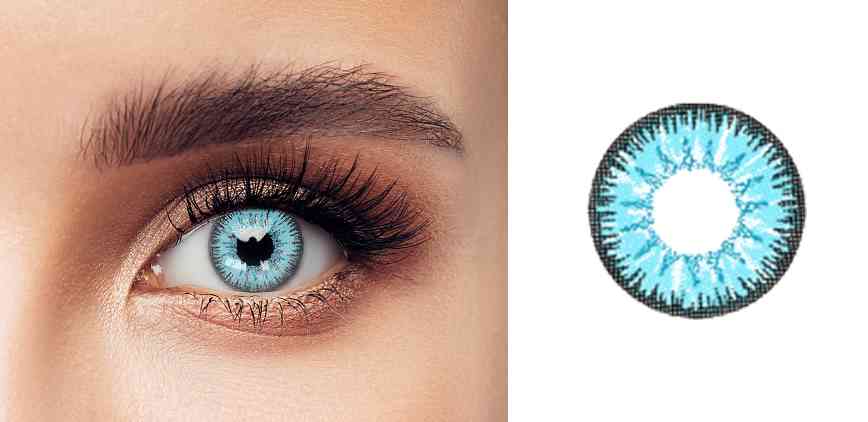
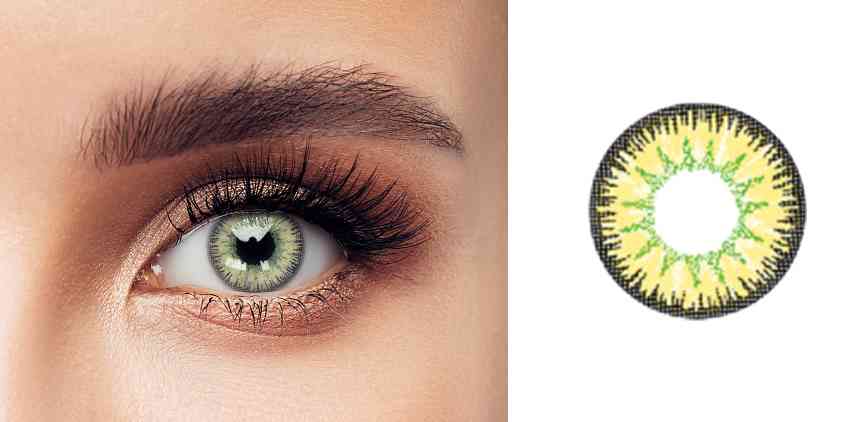
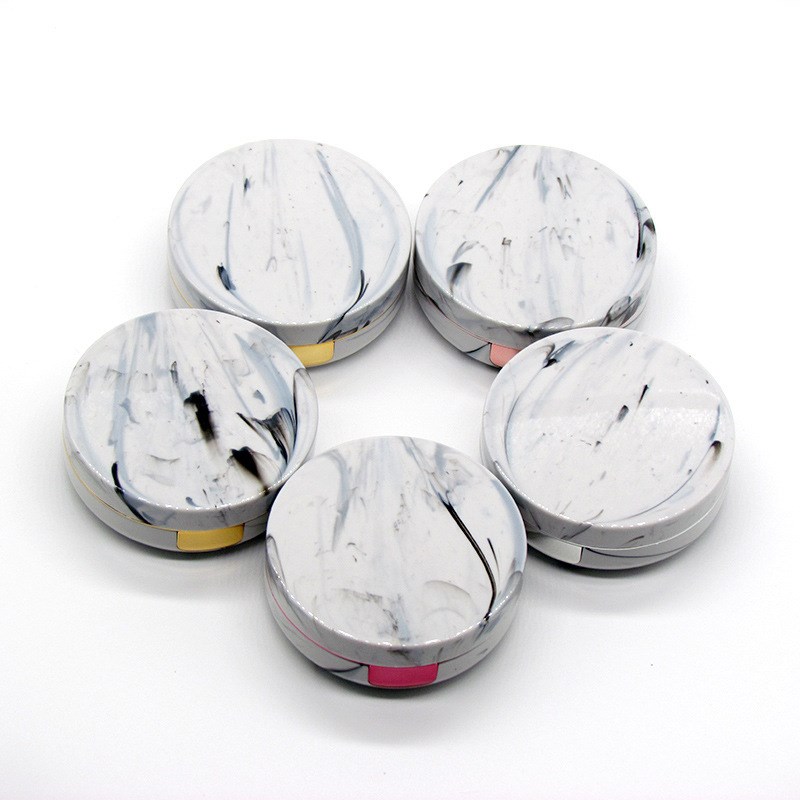
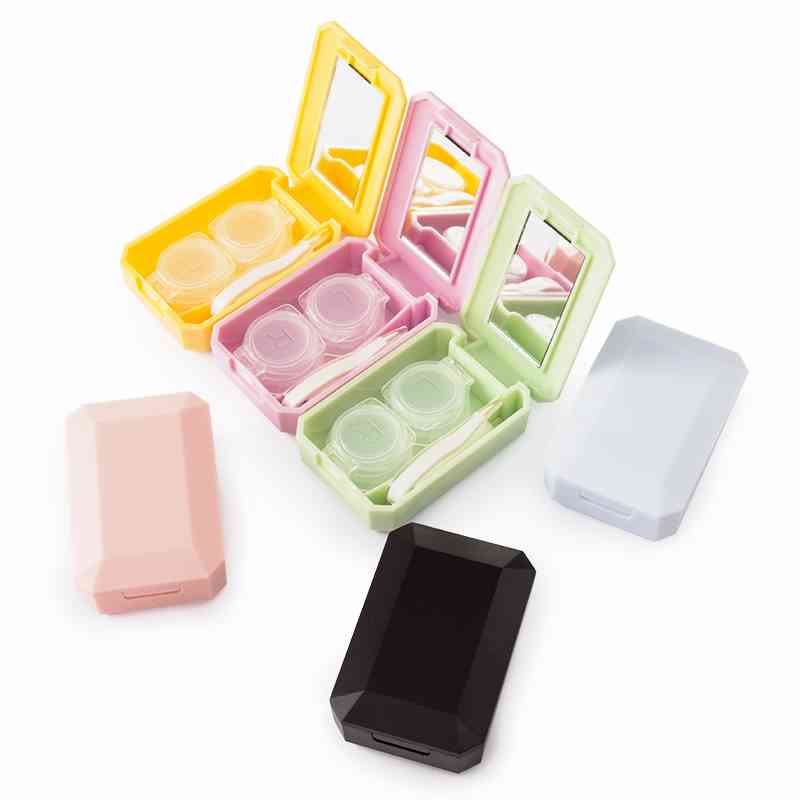
Top China Air Optix Alternative Contact Lens Factories & Suppliers

A B2B White Paper & Sourcing Guide on Silicone Hydrogel and Polyhema Contact Lens Mass Production Capabilities

Class 100k
ISO 8 Cleanroom Facility
100%
Automated Projection Inspection
ISO 13485
Medical Device Compliant
OEM/ODM
Full Turnkey Solutions

Corporate Profile

Guangzhou Chroma Lenses Technology Co., Ltd. is an industrial-scale manufacturer specializing in the R&D and mass production of high-quality contact lenses and cosmetic colored lenses. Located in the manufacturing hub of Dongguan, China, we operate a fully integrated facility that bridges cutting-edge optical technology with robust supply chain capabilities.

  • Production Capacity: Equipped with automated high-speed cast-molding lines operating within a Class 100,000 (ISO 8) cleanroom environment.
  • Quality Assurance: 100% full-inspection workflow, including automated geometric tolerance testing, power verification, and cosmetic defect screening.
  • Compliance: Built upon strict international quality control systems, fully meeting CE, ISO 13485, and global medical device standards.

As a dedicated B2B partner, we specialize in OEM, ODM, and turnkey private-label solutions. From material compounding (Hydrogel/Polyhema) to bespoke pattern design and compliant blister packaging, Chic Contacts provides global distributors and vision care brands with unparalleled stability, scale, and safety.
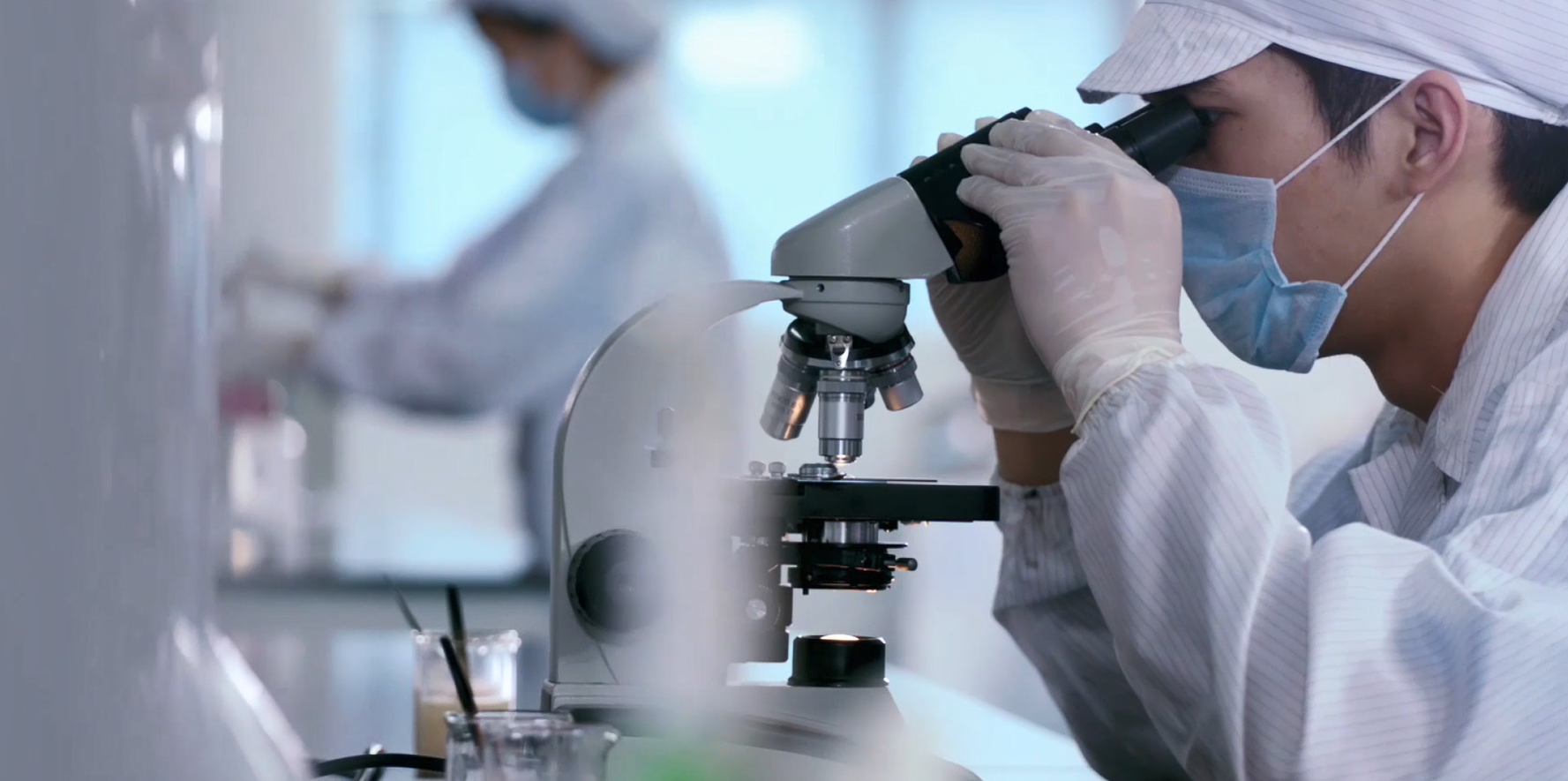
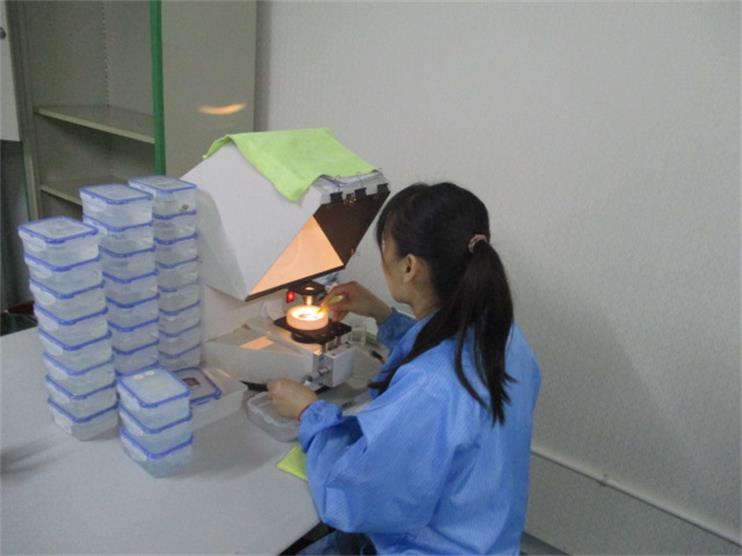
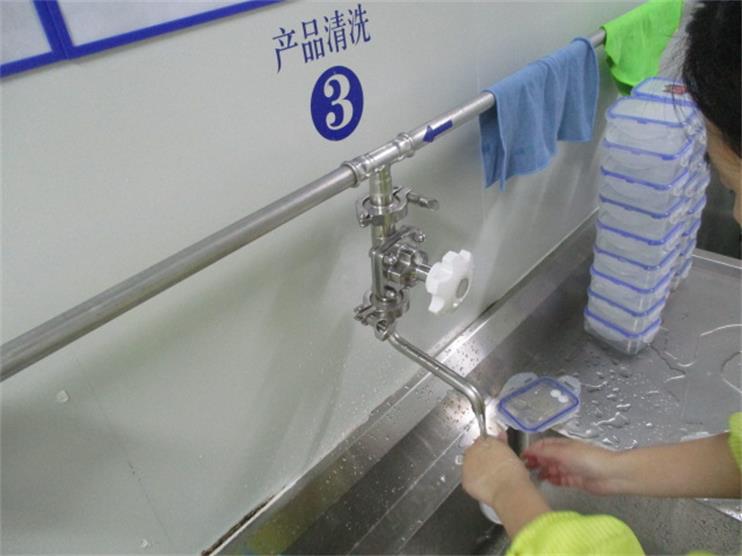
Guangzhou Chroma Lenses Facility Quality Control Chroma Lenses Lab Testing Equipments

Global Market Overview: The Search for Air Optix Equivalent Sourcing

High Oxygen Transmissibility (Dk/t)

Global contact lens trends show a decisive shift from traditional HEMA hydrogels to high Dk/t materials. Modern brands require silicone-hydrogel variants that match Alcon's Air Optix performance criteria, promoting prolonged corneal health and comfort.

Advanced Surface Engineering

B2B buyers prioritize surface treatments like plasma coating and moisture-matrix shielding to resist lipid deposits and keep lenses lubricated for daily or monthly wear cycles.

Turnkey OEM Customization

While global standard products remain popular, color cosmetic lenses require complex matrix print techniques (such as sandwiching technology) to ensure color pigments never touch the eye surface.

China's Supply Chain & Manufacturing Efficiency Advantages

China's industrial optical ecosystem, centered around regions like Dongguan and Guangzhou, leverages automation and cluster supply benefits. Compared to Western production facilities, Chinese manufacturers present massive efficiency gains:

  • Integrated Raw Materials: Rapid customization of Hydrogel, HEMA, and Silicone Hydrogel polymers to match global regulatory requirements (FDA, CE, and local NMPA standards).
  • High-Speed Cast Molding: Fully automated cast-molding reduces cycle times by up to 40% while maintaining absolute precision in lens geometry and base curve continuity.
  • Regulatory Flexibility: Direct assistance in compiling technical files for fast track registration, ensuring seamless distribution across Europe, Southeast Asia, South America, and the Middle East.

12-Step Advanced Manufacturing Process Flow

Witness our full-cycle automated lens fabrication process, ensuring uncompromising quality control from polymer synthesis to final lot storage.
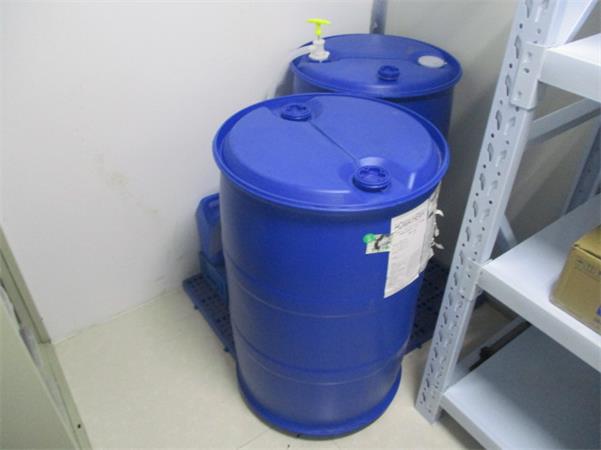
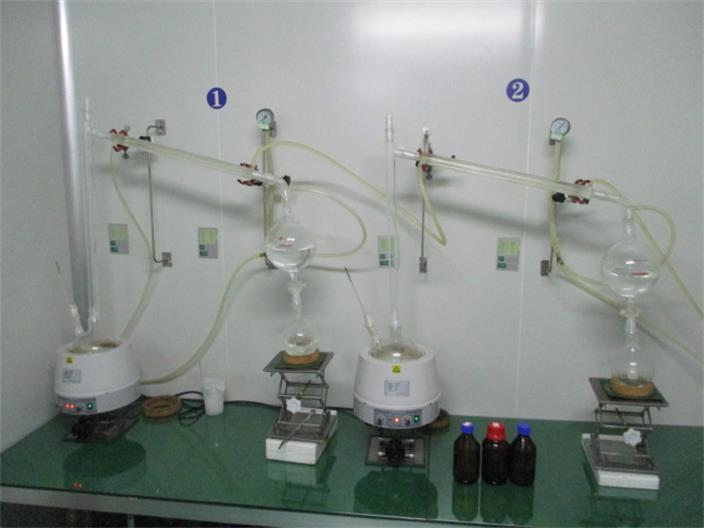
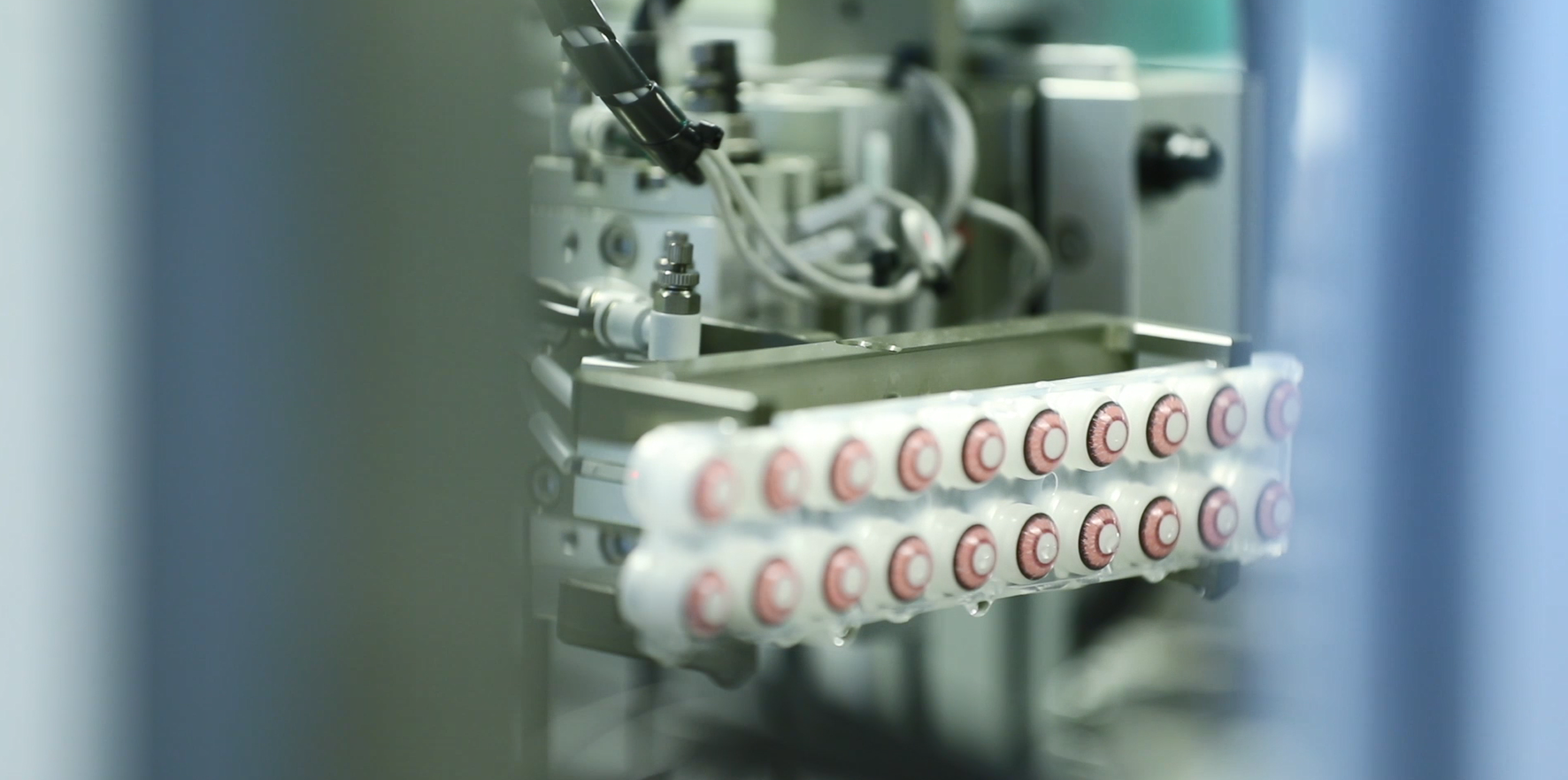
Raw Materials Phase
1. Raw Materials Formulation
Purification Phase
2. Purification Control
Ingredients Blend
3. Ingredient Formulation
Filling Phase
4. High-Precision Filling
Curing process
5. Thermal/UV Curing
Machine Work Step
6. Machine Mold Release
Projection Test Step
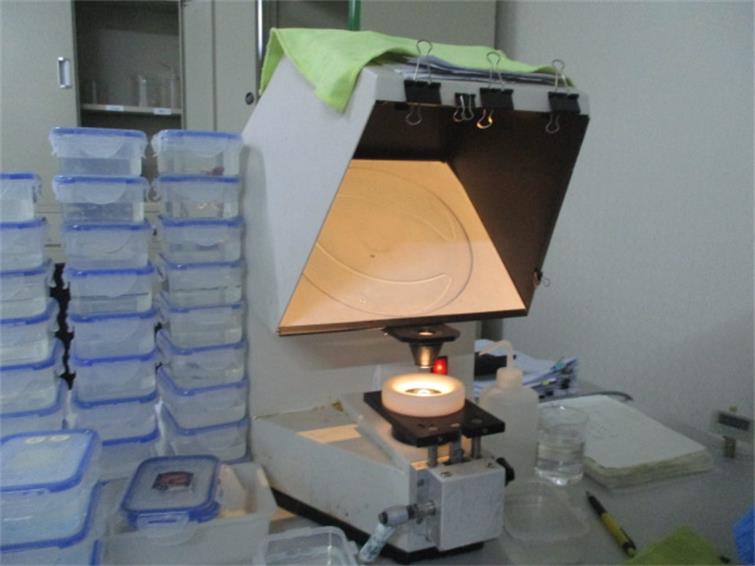
7. 100% Projection Test
Cleaning Hydration
8. Ultrasonic Cleaning
Canned Packaging
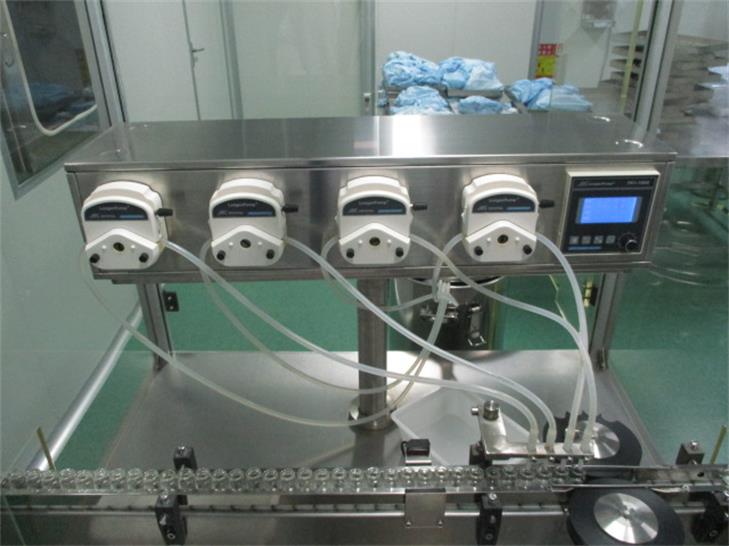
9. Saline Filling & Canning
Sterilization Autoclave
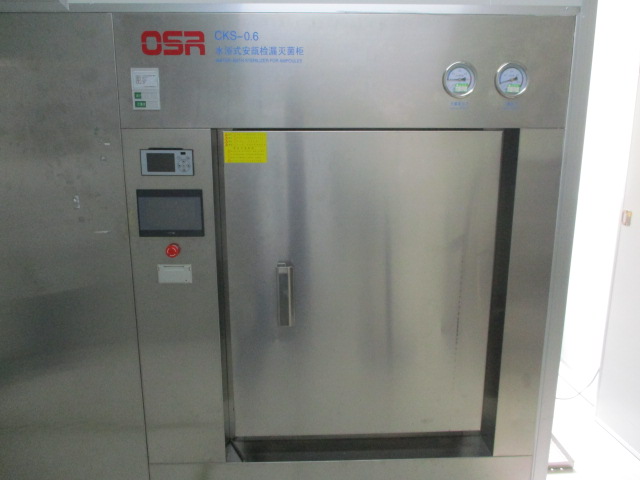
10. Water-Bath Sterilization
Packaging Box Seal
11. Blister & Carton Packaging
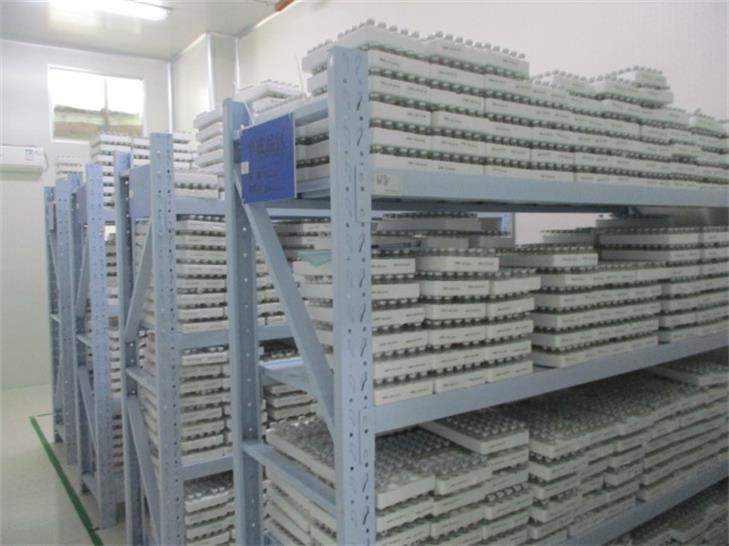
Lot Storage Warehouse
12. Compliance Lot Storage

Advanced Production Line Machinery & Tech Infrastructure

Our heavy investment in modern automation systems and precision machinery guarantees structural consistency and high visual acuity across all batches.
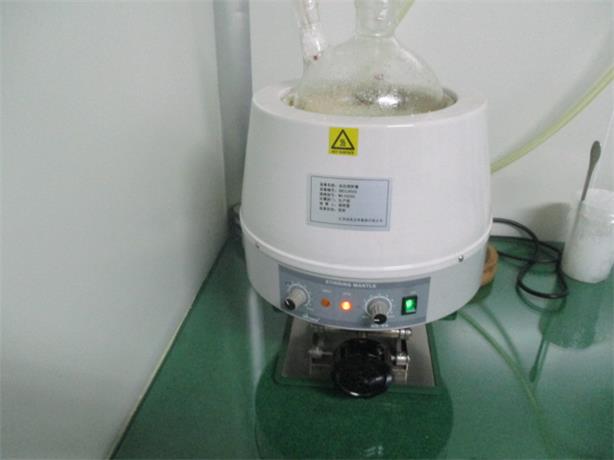
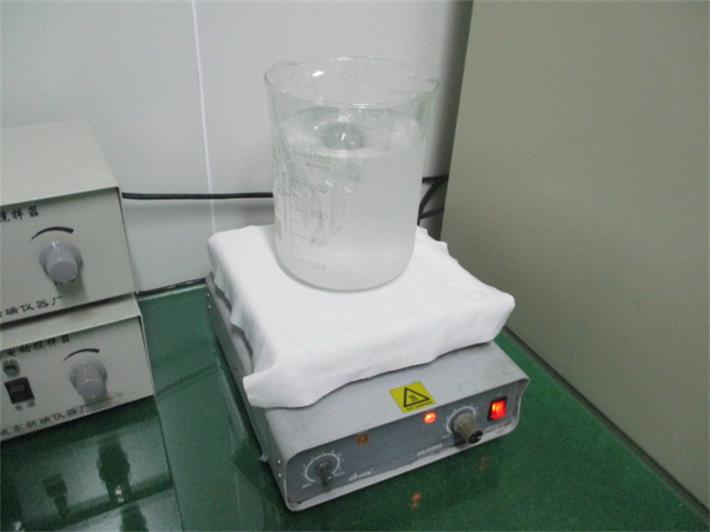
Stirring Mantle Lab Equipment

Stirring Mantle

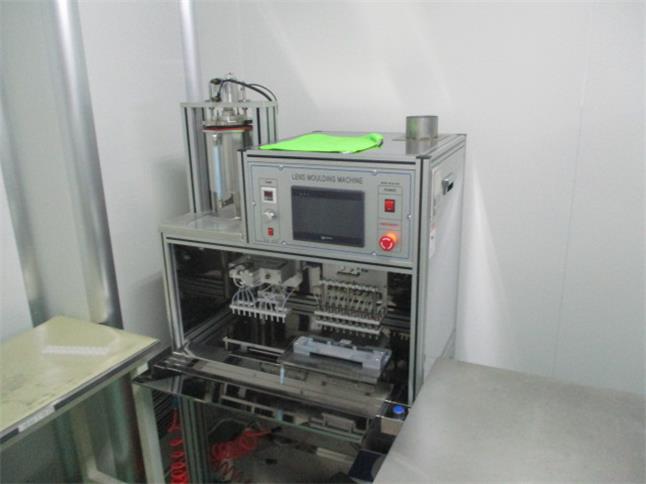
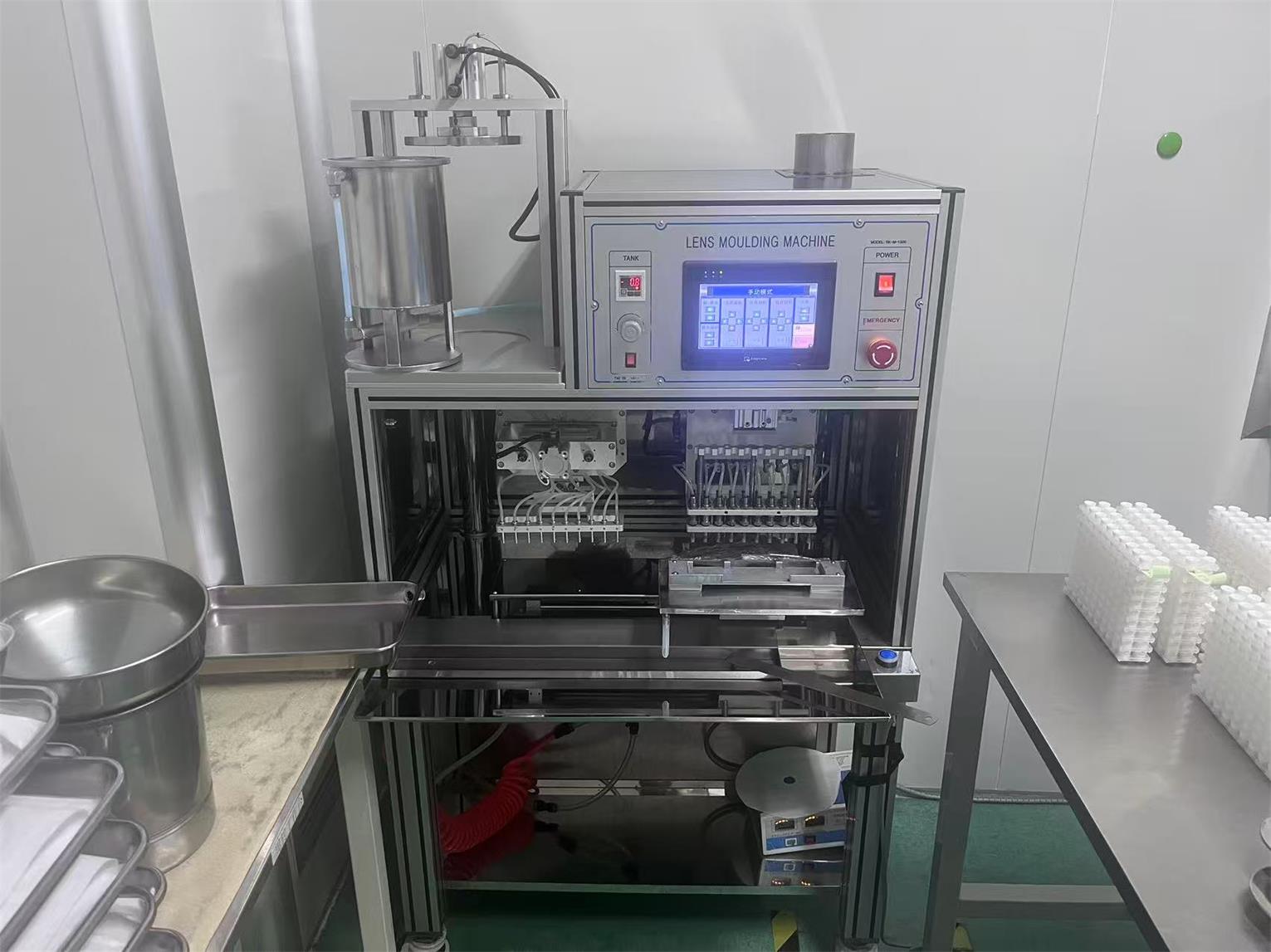
Lens Moulding Machine Automation

Lens Moulding Machine

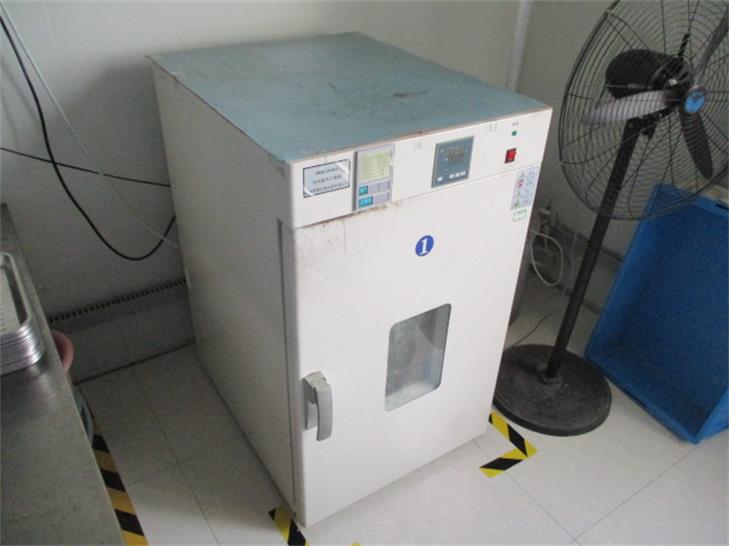
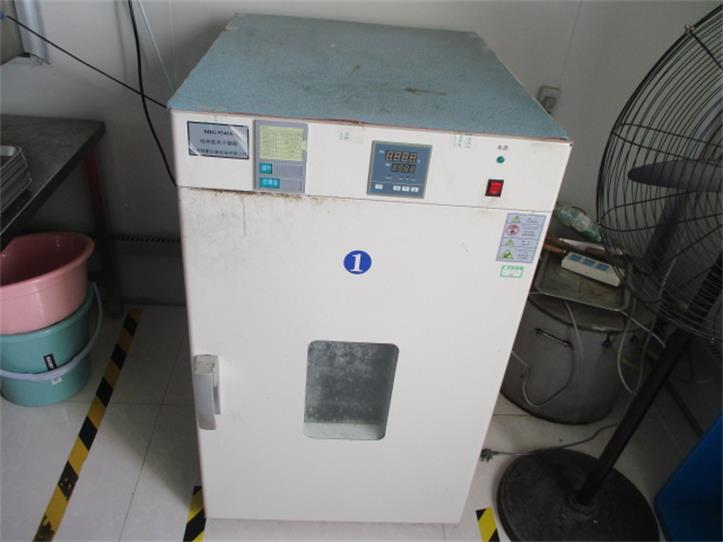
Electric Blast Drying Oven

Electric Blast Drying Oven

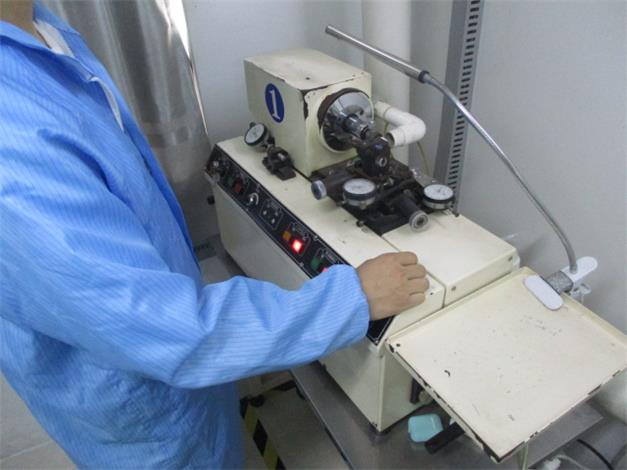
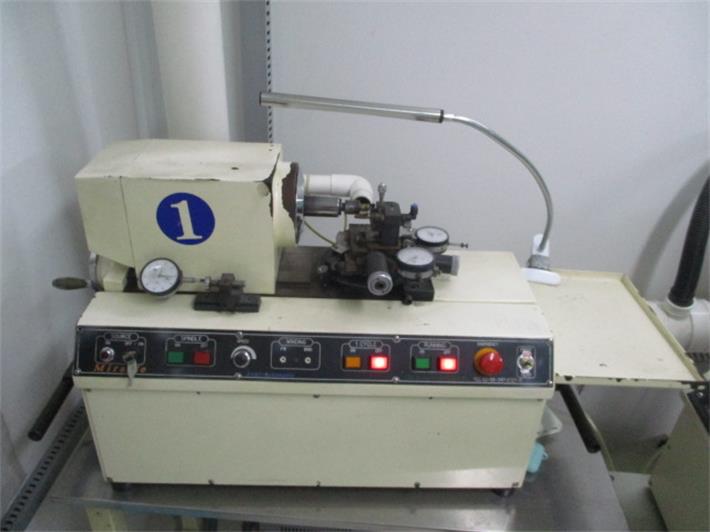
Precision Lathe Tooling

Precision Lathe Tooling

Projection Testing Instrument Quality Assurance

Projection Tester

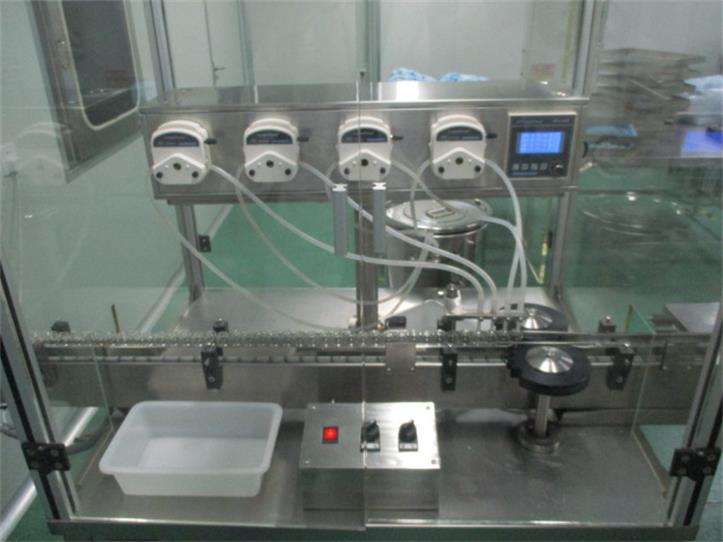
Liquid Tank Machine Saline Prep

Liquid Tank Machine

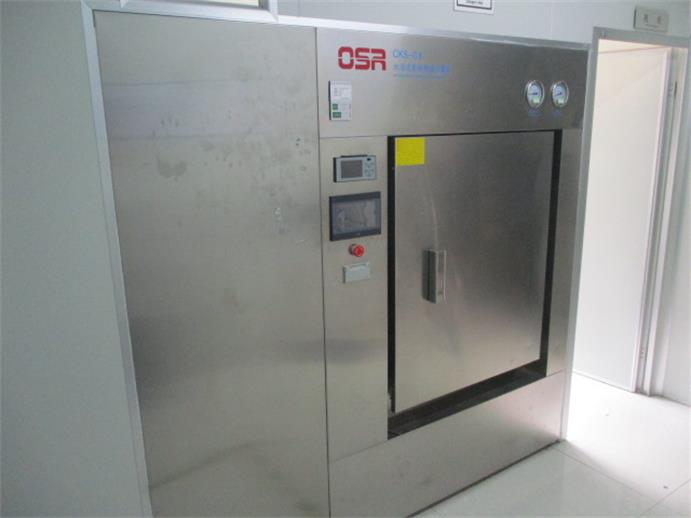
Water Bath sterilizer For Ampoules

Ampoule Sterilizer

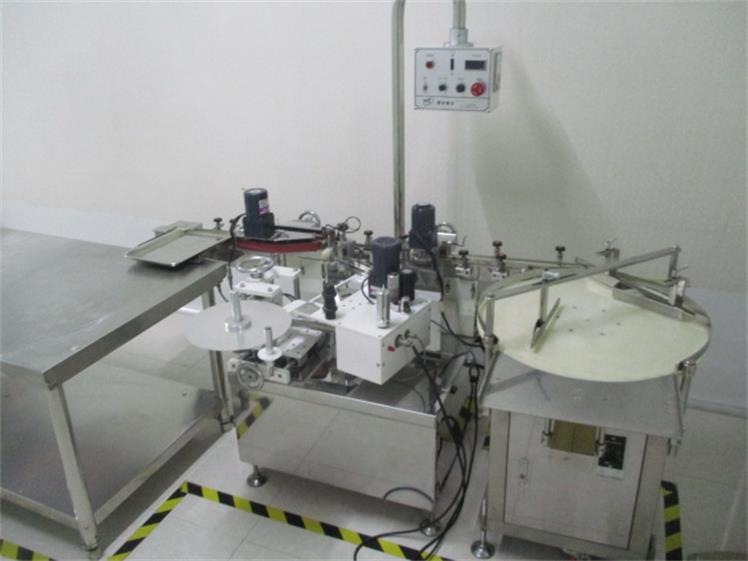
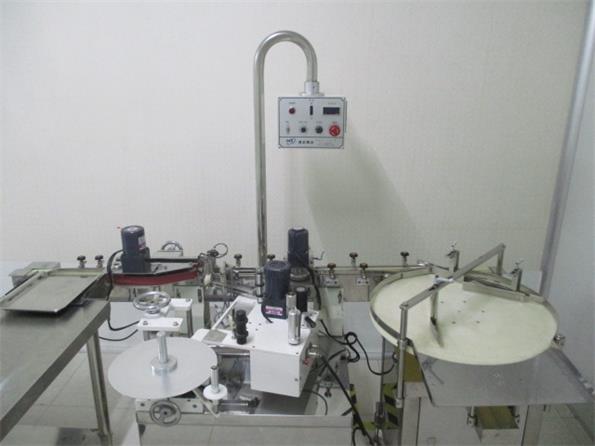
Labeling Machine Packing Line

Labeling Machine

R&D Precision Laboratory & Quality Assurance Testing

Operating beyond minimum standard guidelines, our testing labs utilize high-fidelity analytical instrumentation to review oxygen performance, thickness variance, and surface dynamics.
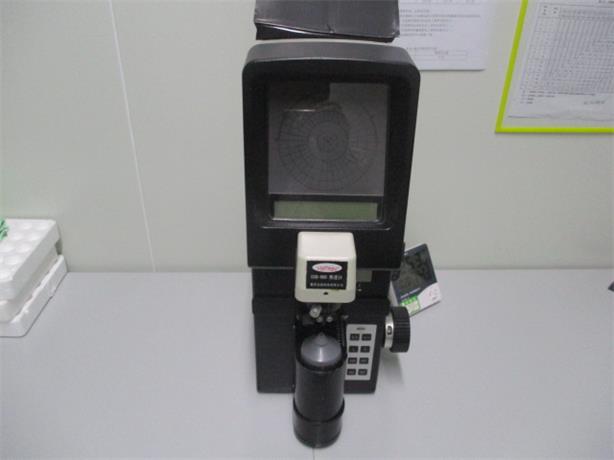
The Focal Meter Quality Instrument

The Focal Meter

Validates refractive indices and optical power variations across custom prescriptions.

Contact Lens Tester QA Station

Contact Lens Tester

Performs rigorous physical inspections for edge curvature and micro-deformity checks.
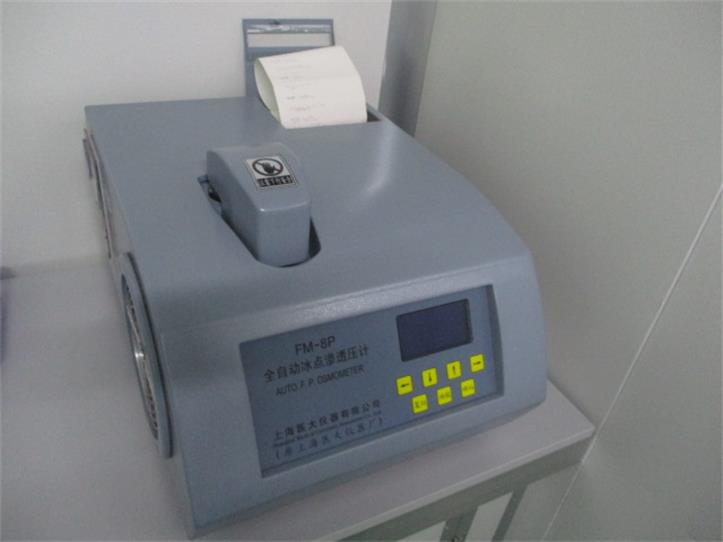
Auto.F.P.OSMOMETER Lab Meter

Auto.F.P. Osmometer

Monitors tonicity levels and saline solution compatibility values for consumer safety.
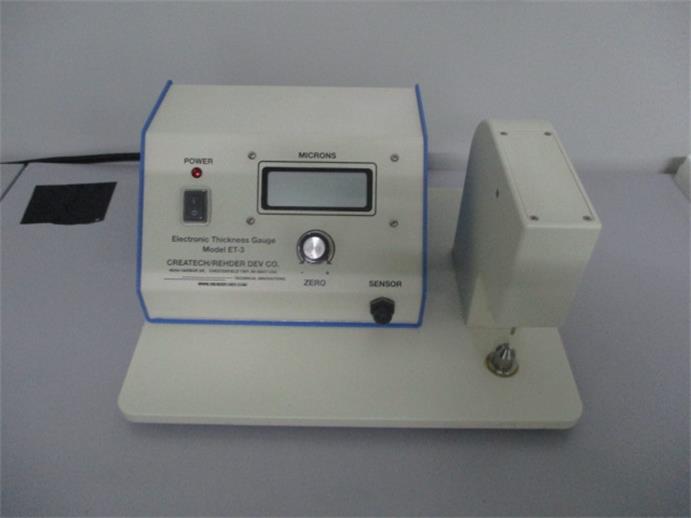
Electronic Thickness Gauge

Electronic Thickness Gauge

Ensures precision profiles across thickness gradients to match high oxygen transfer goals.
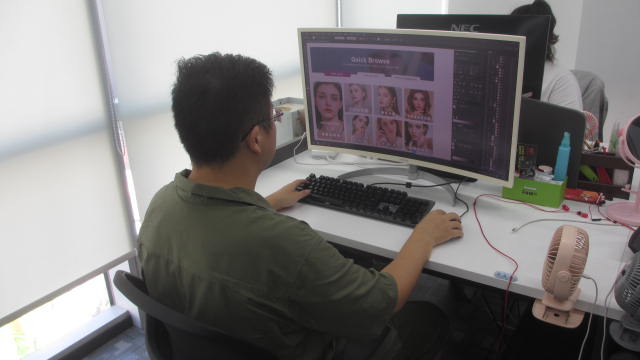
Design Process Lab Setup

CAD Design Process

Applies micro-modeling to create tailored multi-curve structures before mold cutting.
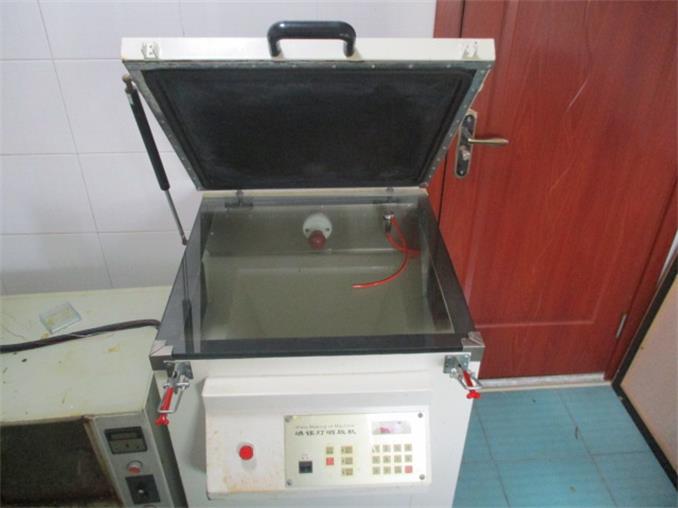
Plate Making of Machine Precision

Plate Making Facility

Engineers the template layers used for printing multi-tone cosmetic color patterns.
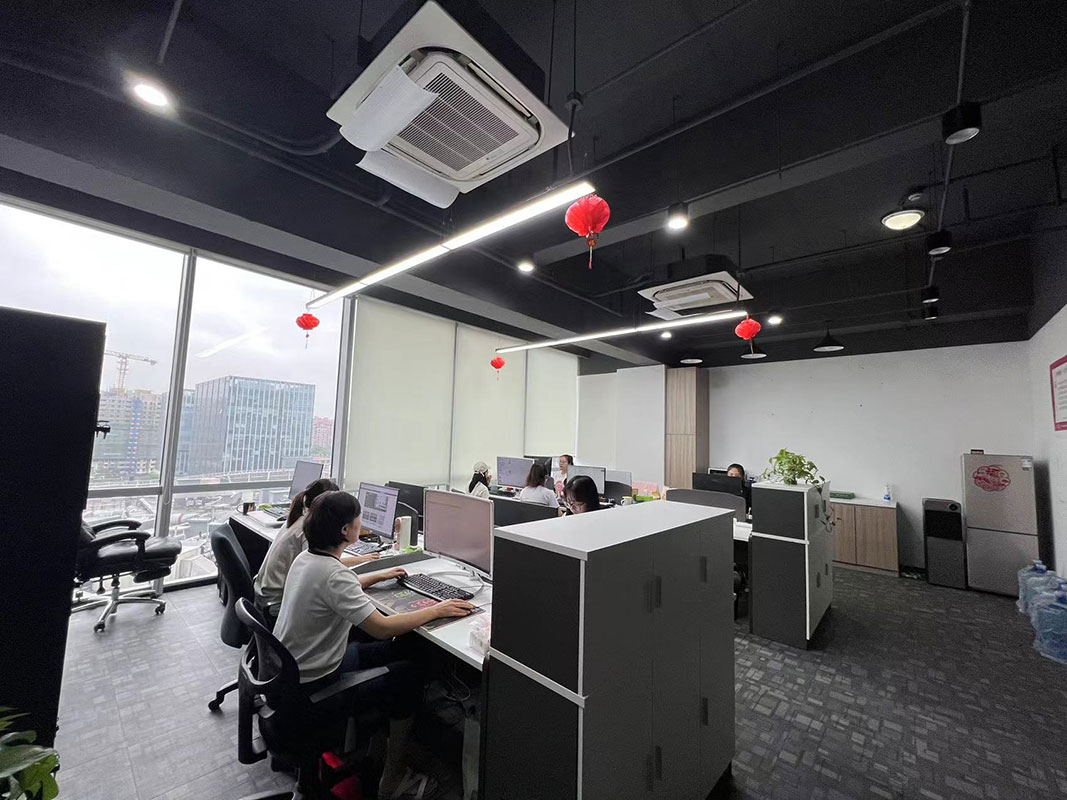
Sterile Storage & Inspection Facility Overview

Production Line Process Pic Cleanroom Production Pic Finished Lens Storage Pic Lab Test Protocol Pic Automation Controls Pic
Medical Device Compliance Registration CE ISO 13485 Certification Badge

Sourcing White Paper: Air Optix Alternative Evaluation Parameters

Understanding Material Engineering: Hydrogel vs. Silicone Hydrogel

B2B distributors evaluating replacement portfolios for high-end contact lens brands must differentiate between standard Hydrogel (HEMA-based) and Silicone Hydrogel (SiHy) formulations. Silicone hydrogel exhibits vastly higher oxygen transmissibility. This allows oxygen to reach the cornea directly through the matrix, minimizing hypoxia-related symptoms. When sourcing from China suppliers, specify the target Oxygen Transmissibility (Dk/t) required for your local market.

Surface Wetting & Dehydration Resistance

High moisture levels do not automatically yield comfort if the lens experiences high dehydration rates. Premium alternative contact lenses utilize advanced surface technology. These processes create a hydrophilic layer that locks in moisture and prevents lipid protein deposition. While sourcing, inquire about dynamic contact angle testing parameters to verify surface performance.

Crucial Quality Indicators for B2B Importers

To avoid bulk shipment rejections, verification protocols must be established prior to manufacturing runs:

  • Base Curve Accuracy: Base curve tolerances must be maintained within ±0.02 mm across batches.
  • Refractive Power Precision: Optical power profiles must align with international standards like ISO 18369.
  • Extractable Residue Testing: Verifies that residual monomer quantities comply with strict toxicological safety limits.
  • Color Encapsulation Safety: Cosmetic printing must utilize sandwiching technology, keeping color inks encapsulated to prevent direct eye contact.

B2B Sourcing FAQ: Purchasing and Compliance Guidance

Get answers to common logistics, custom manufacturing, and international regulatory questions.

Can your factory manufacture direct material equivalents to Alcon's Air Optix?
Yes. Guangzhou Chroma Lenses and top-tier partners specialize in manufacturing high-performance silicone hydrogel and HEMA-based matrices. We utilize precision automation to match key comfort benchmarks, including high oxygen permeability (Dk/t), controlled base curves (typically 8.5mm to 8.7mm), and advanced edge profiles.
What certifications do your factory processes maintain for export?
Our facilities are certified under CE (Conformité Européenne) and ISO 13485 (Medical Devices — Quality Management Systems). Additionally, production lines run within a Class 100,000 cleanroom environment, ensuring compliance with strict healthcare and import directives worldwide.
What are the MOQ terms for OEM and custom private-label orders?
Standard OEM/ODM orders for in-stock formulations start at low MOQs, while custom pattern designs and specialty silicone-hydrogel packaging require higher production runs. We offer turnkey services including graphic design, blister foil custom prints, and retail outer packaging design.
How does your QC process prevent cosmetic color leaking?
We utilize a multi-layer sandwich print technology. The colored ink layer is encapsulated between hydrogel layers. This ensures pigment cannot leach out or touch the cornea directly. 100% of lenses undergo projection testing to ensure ink positioning and structural safety.
What is the standard lead time for volume bulk orders?
For standard stocked items, processing and packaging take roughly 15 to 20 days. Custom prescription runs (including astigmatic/toric lenses) and custom OEM color plates typically require 35 to 45 days. This allows for clean mold cutting, hydration cycles, sterilization, and lot QC approvals.