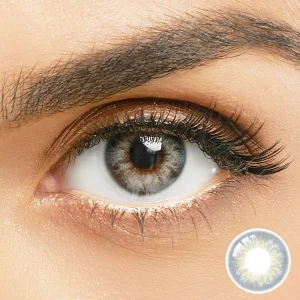
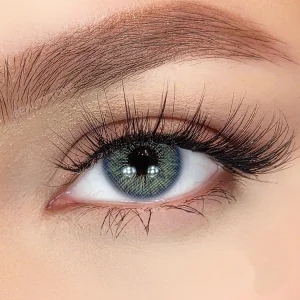
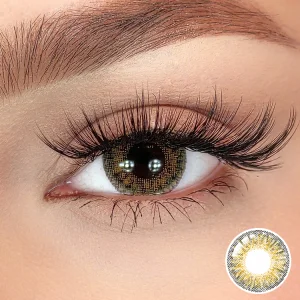
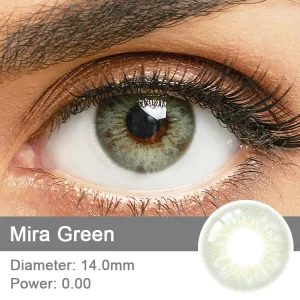
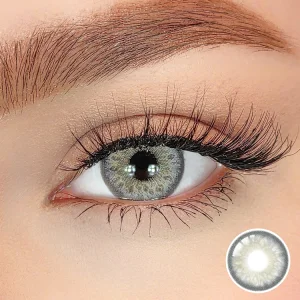
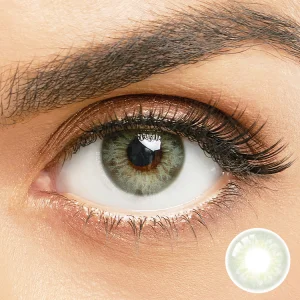
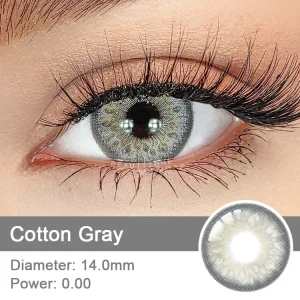
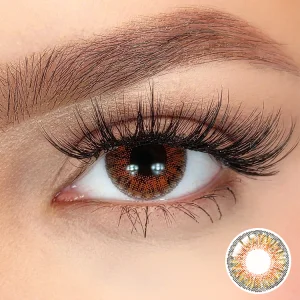
Explore our highly-acclaimed colored hydrogel and high-oxygen permeable contacts preferred by global optical retail chains and distributors.
Guangzhou Chroma Lenses Technology Co., Ltd. is an industrial-scale manufacturer specializing in the R&D and mass production of high-quality contact lenses and cosmetic colored lenses. Located in the manufacturing hub of Dongguan, China, we operate a fully integrated facility that bridges cutting-edge optical technology with robust supply chain capabilities.
As a dedicated B2B partner, we specialize in OEM, ODM, and turnkey private-label solutions. From material compounding (Hydrogel/Polyhema) to bespoke pattern design and compliant blister packaging, Chic Contacts provides global distributors and vision care brands with unparalleled stability, scale, and safety.
Through rigid process validation and compliance tracking, we ensure every lens produced meets the anatomical requirements of global users while maintaining high comfort indices. Our factory combines material research with automated high-speed cast molding systems to reduce production variance and optimize bulk pricing parameters.
Our core production lines are equipped with ultra-precision equipment, ensuring micro-level geometric control for custom rigid and soft lenses.
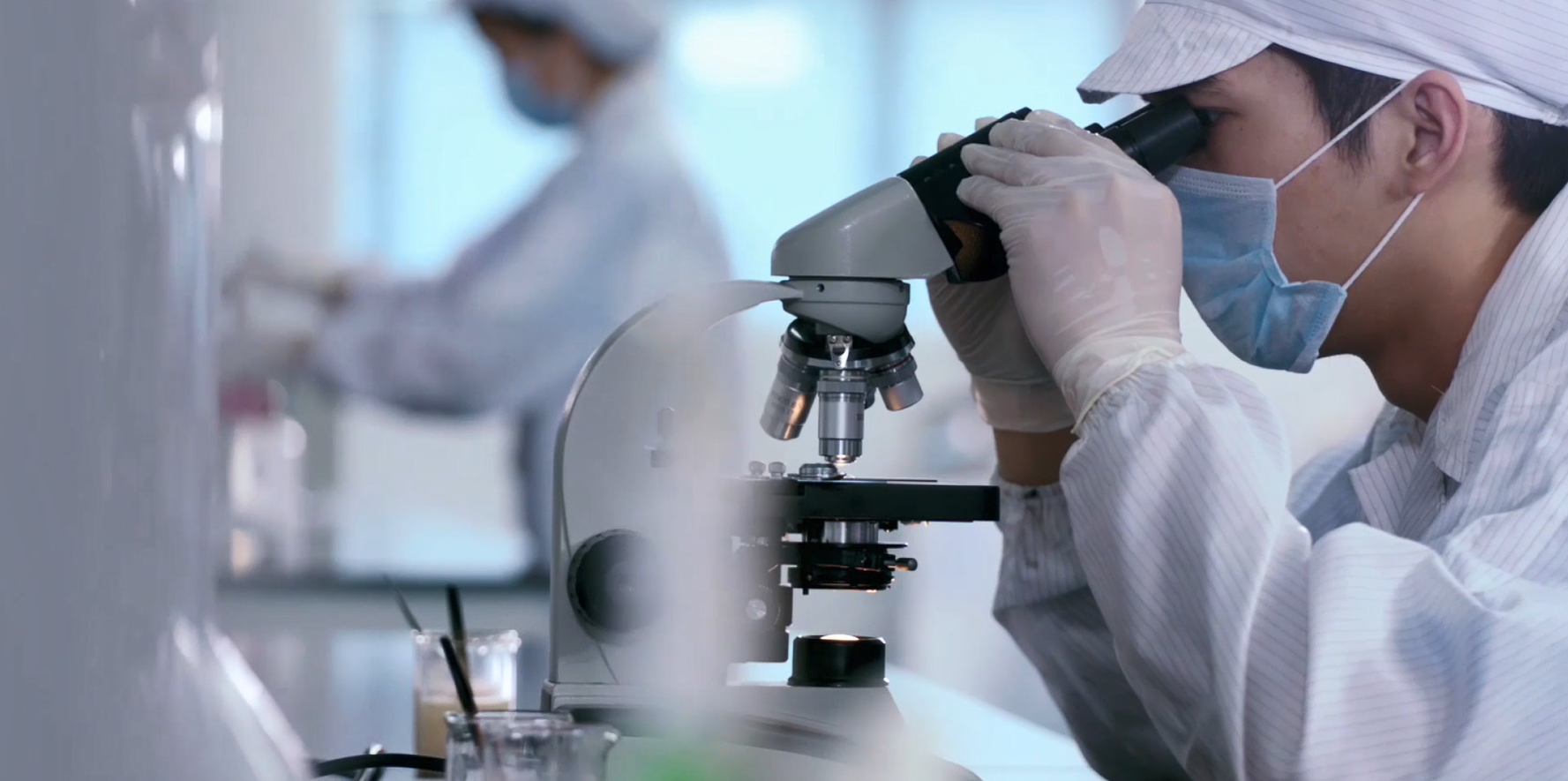
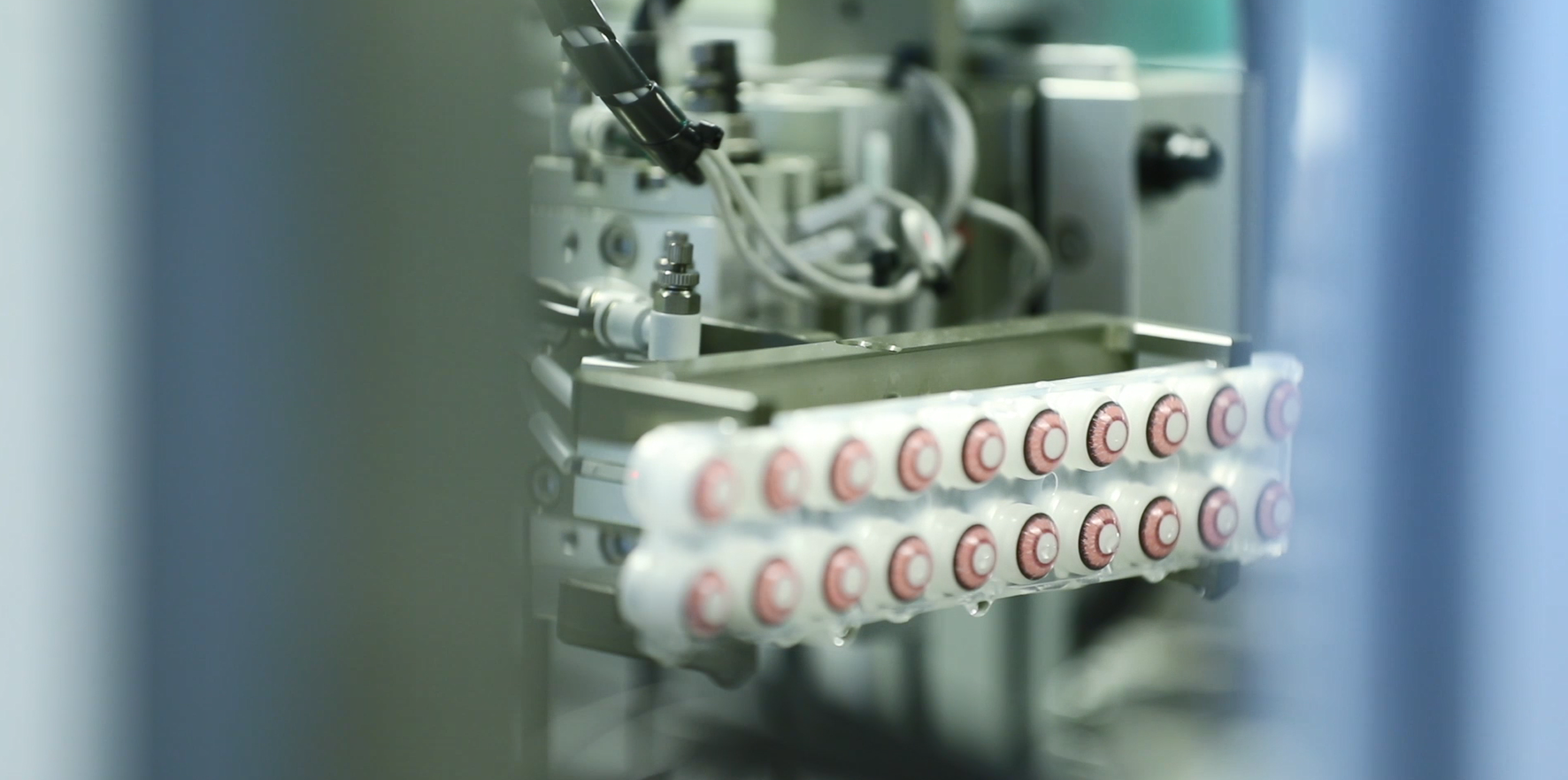
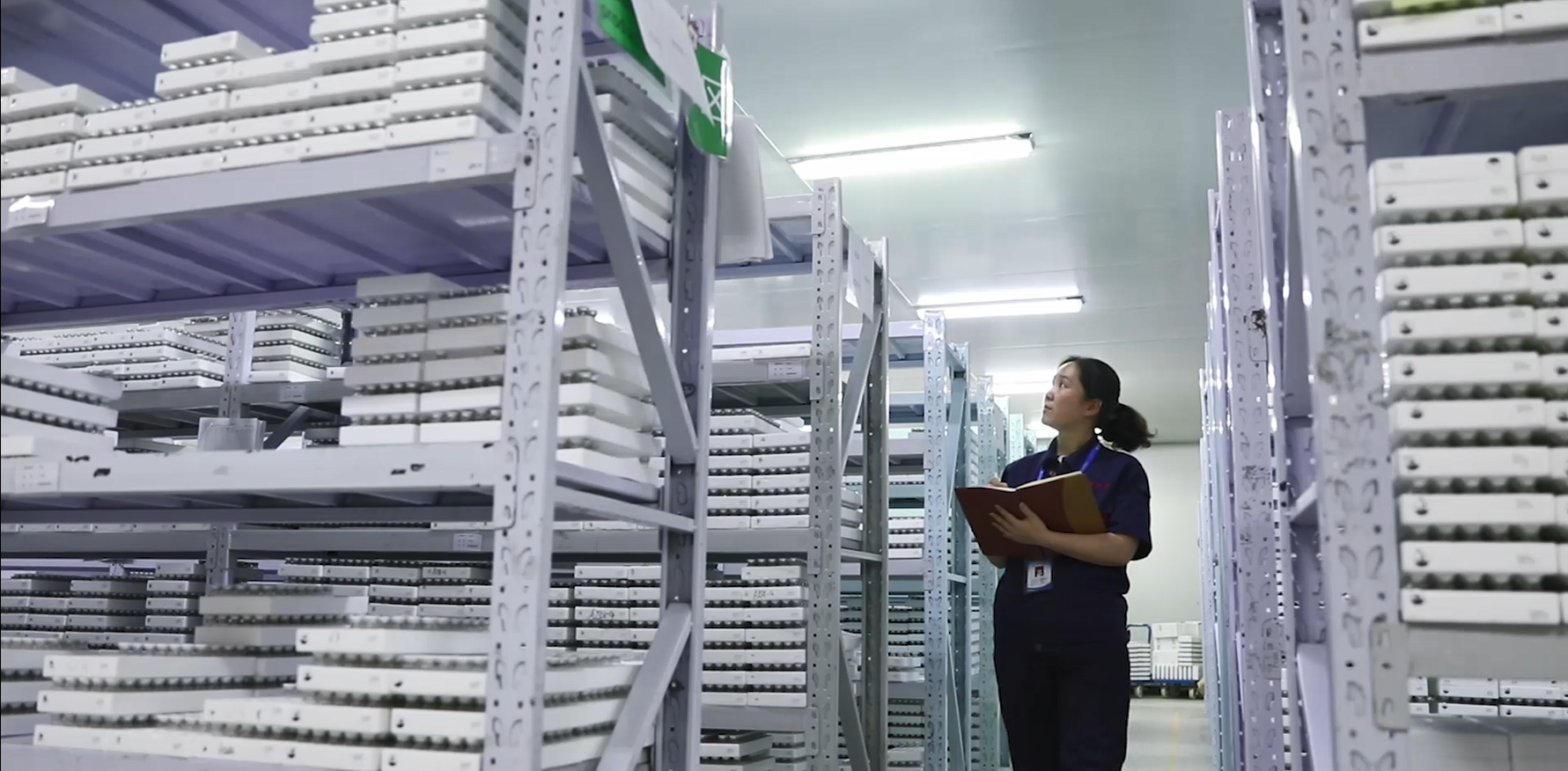
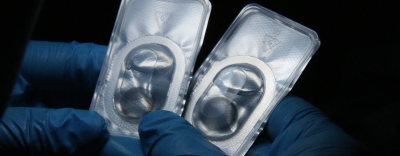
A transparent overview of our 100% full-inspection manufacturing workflow, bridging automated cast molding and custom lathe-cutting systems.
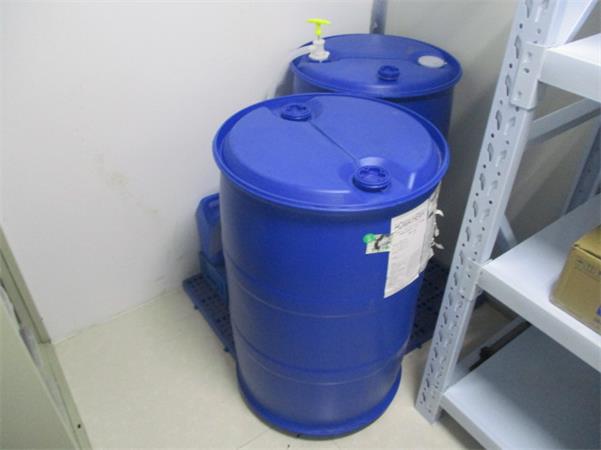
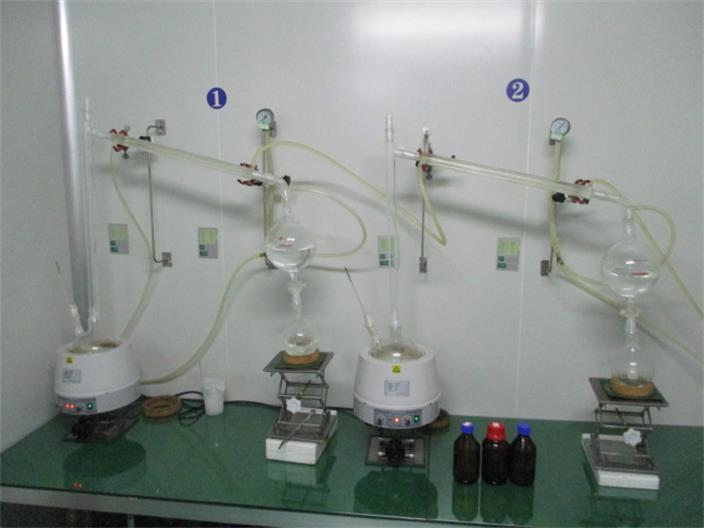
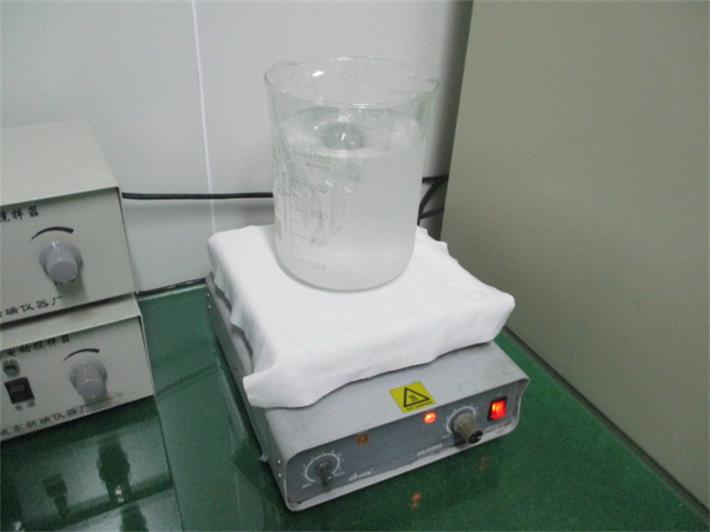
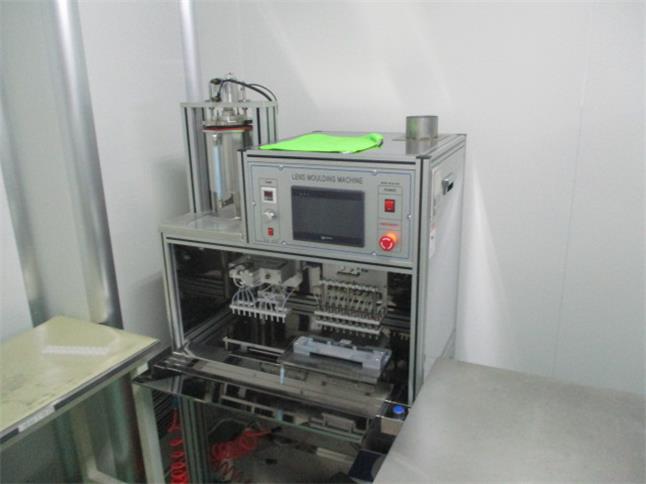
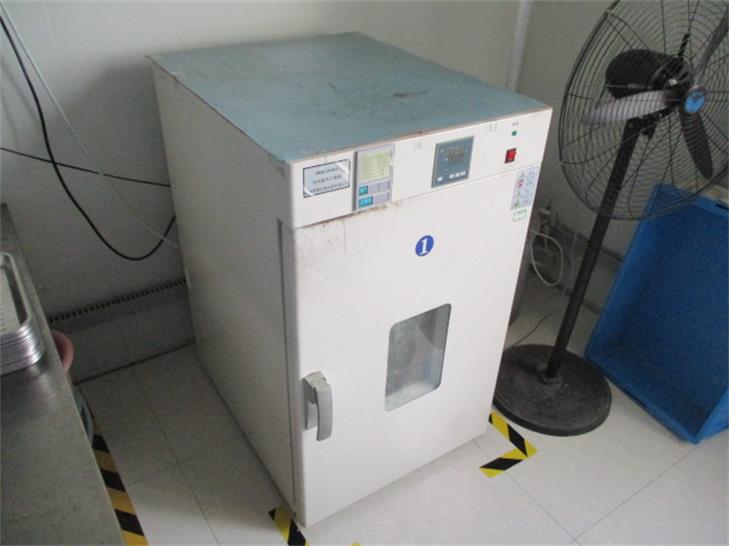
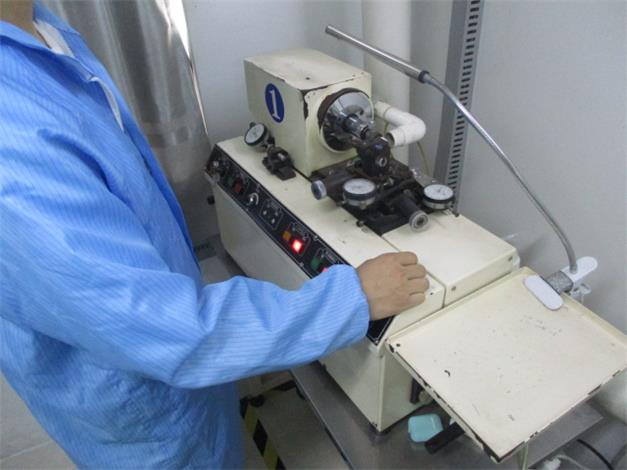
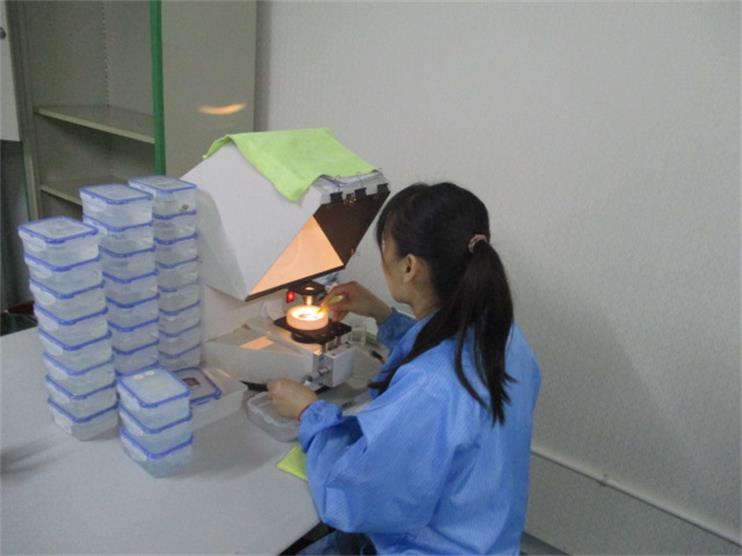
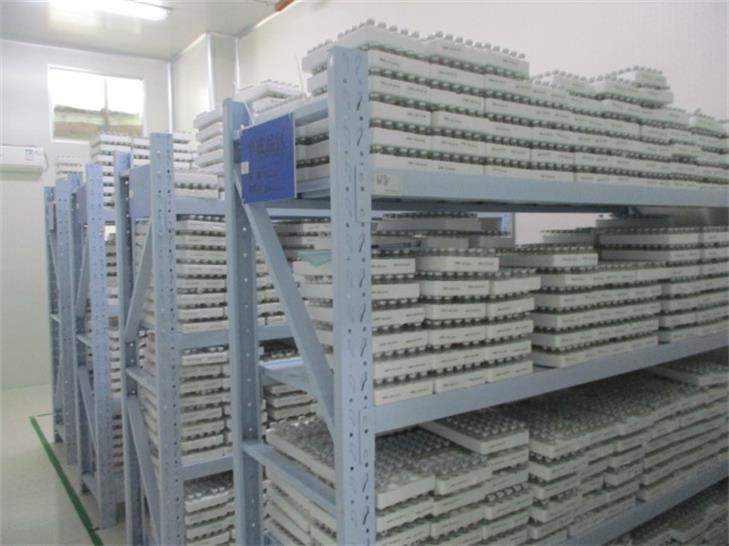
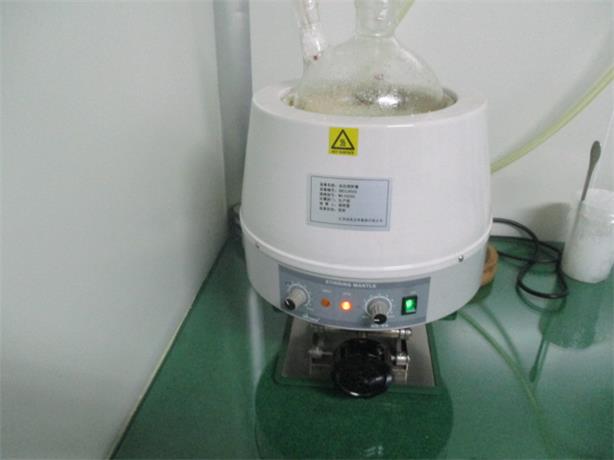
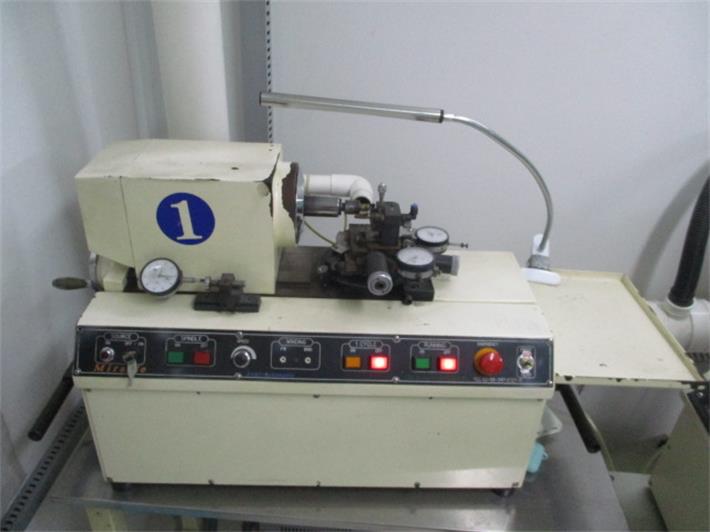
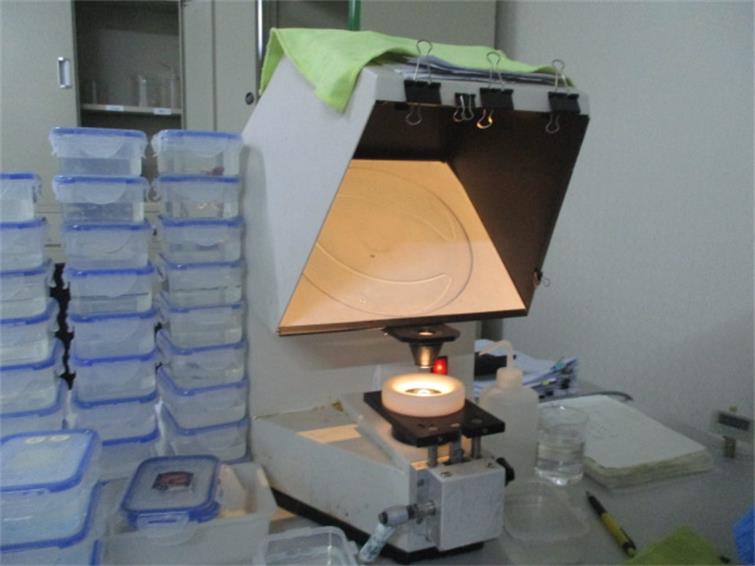
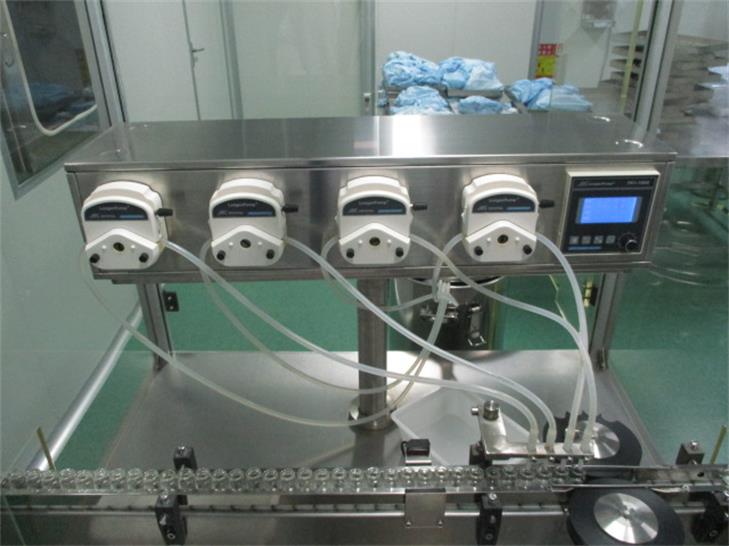
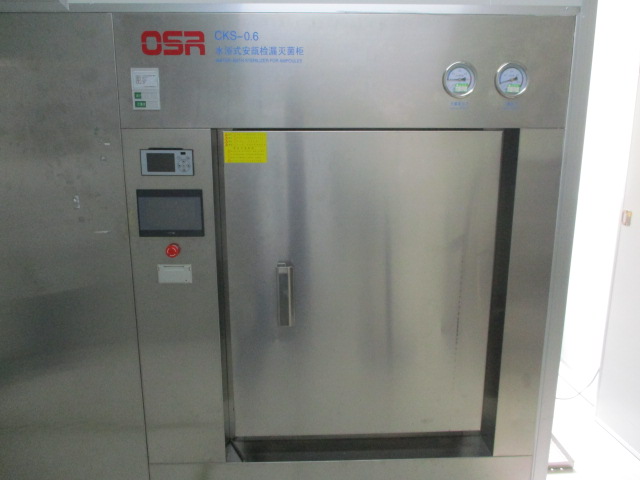
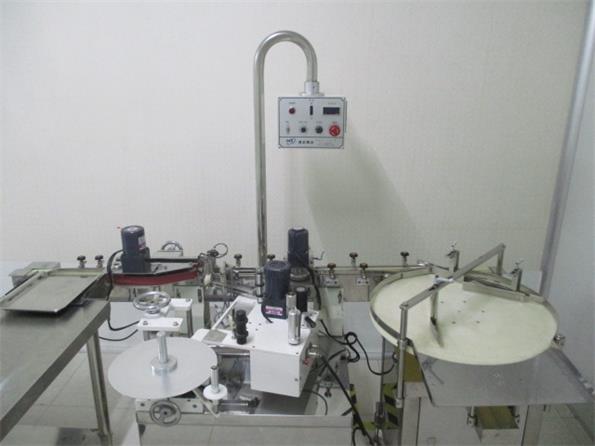
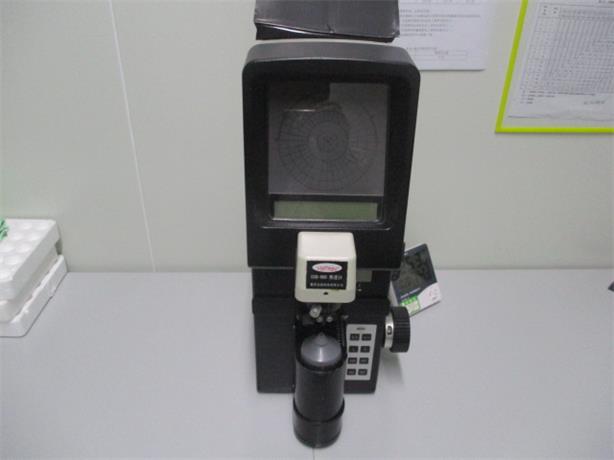
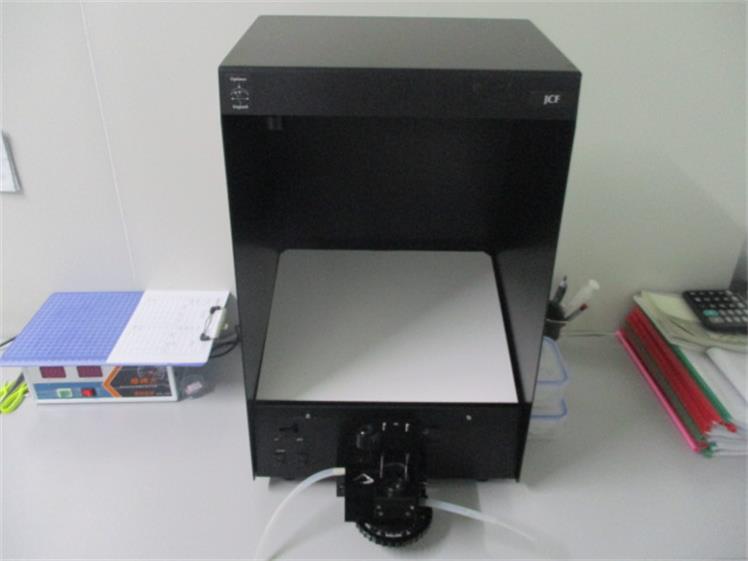
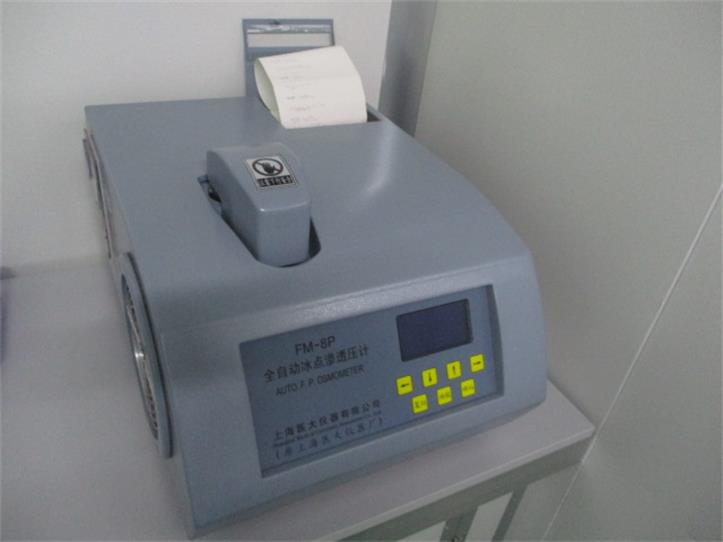
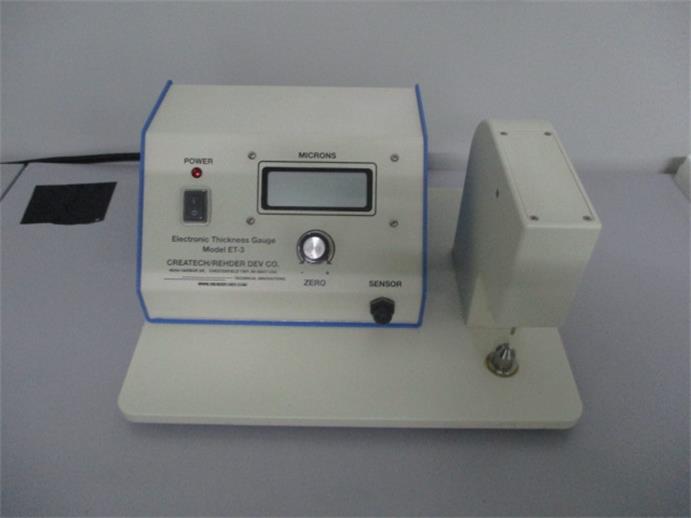

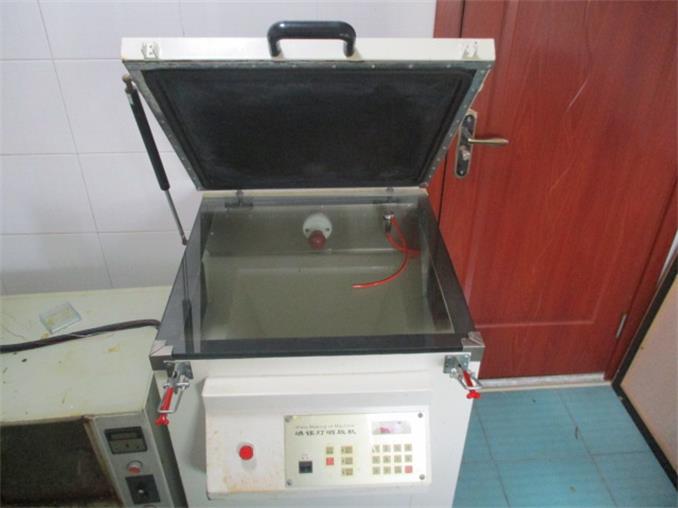
A rigorous examination of polymer formulations, oxygen permeability indices, and geometric stability metrics in rigid and hybrid lenses.
The global ophthalmic industry is undergoing a structural transition towards materials that maximize corneal physiology. Traditional hard contact lenses, primarily represented by polymethyl methacrylate (PMMA), have been systematically replaced by advanced Rigid Gas Permeable (RGP) materials. Our research department focuses heavily on enhancing the oxygen permeability (Dk value) and reducing the wetting angle of these silicone-acrylate and fluoro-silicone acrylate monomers.
Modern RGP formulations rely on a balanced co-polymer system where fluorine provides excellent oxygen dissolution rates while silicone serves as a vehicle for rapid transport. However, pure silicone components exhibit inherent hydrophobicity, leading to lipid deposition and dry eye syndrome. By introducing specialized hydrophilic monomers such as methacrylic acid (MAA) or N-vinylpyrrolidone (NVP) into the polymeric backbone, Guangzhou Chroma Lenses Technology has developed custom latheable blanks that achieve a wetted equilibrium. Our latest material variants achieve a Dk of up to 125 x 10^-11 (cm²/s)(ml O2/ml · mmHg) while maintaining a low wetting angle under 40 degrees.
Maximizes oxygen transport metrics, essential for extended wear and orthokeratology applications. Controls corneal edema risks during long overnight phases.
Applying nanoscale surface treatments removes residues from automated machining and creates a hyper-hydrophilic barrier layer, preventing tear film rupture.
Yields surface roughness values (Ra) below 10 nanometers. This mechanical precision prevents microbial adhesion on both the scleral and corneal lens zones.
Looking to the future, the RGP roadmap trends toward "smart" optical functions. Integrated biosensors for glucose tracking and electro-active autofocus grids are moving from academic concepts to trial phases. By optimizing custom polymer geometries to allow sub-micron layering, our design team ensures that current B2B imports are engineered to accommodate integrated coatings and advanced hybrid designs (rigid center with soft hydrogel skirt).
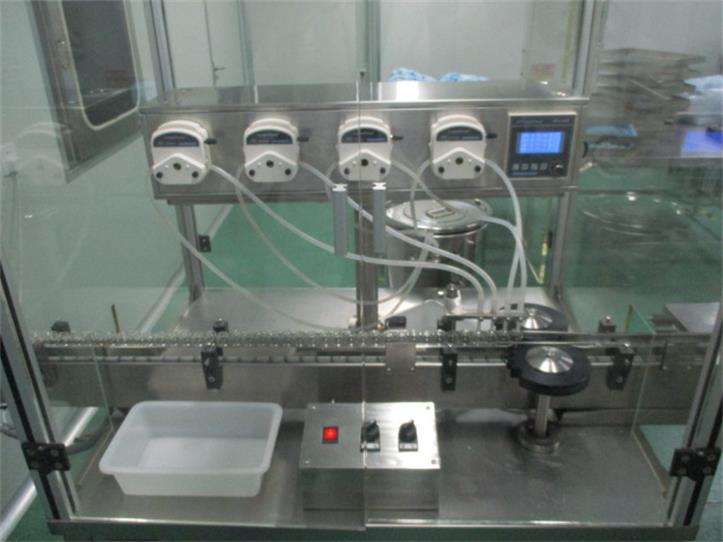
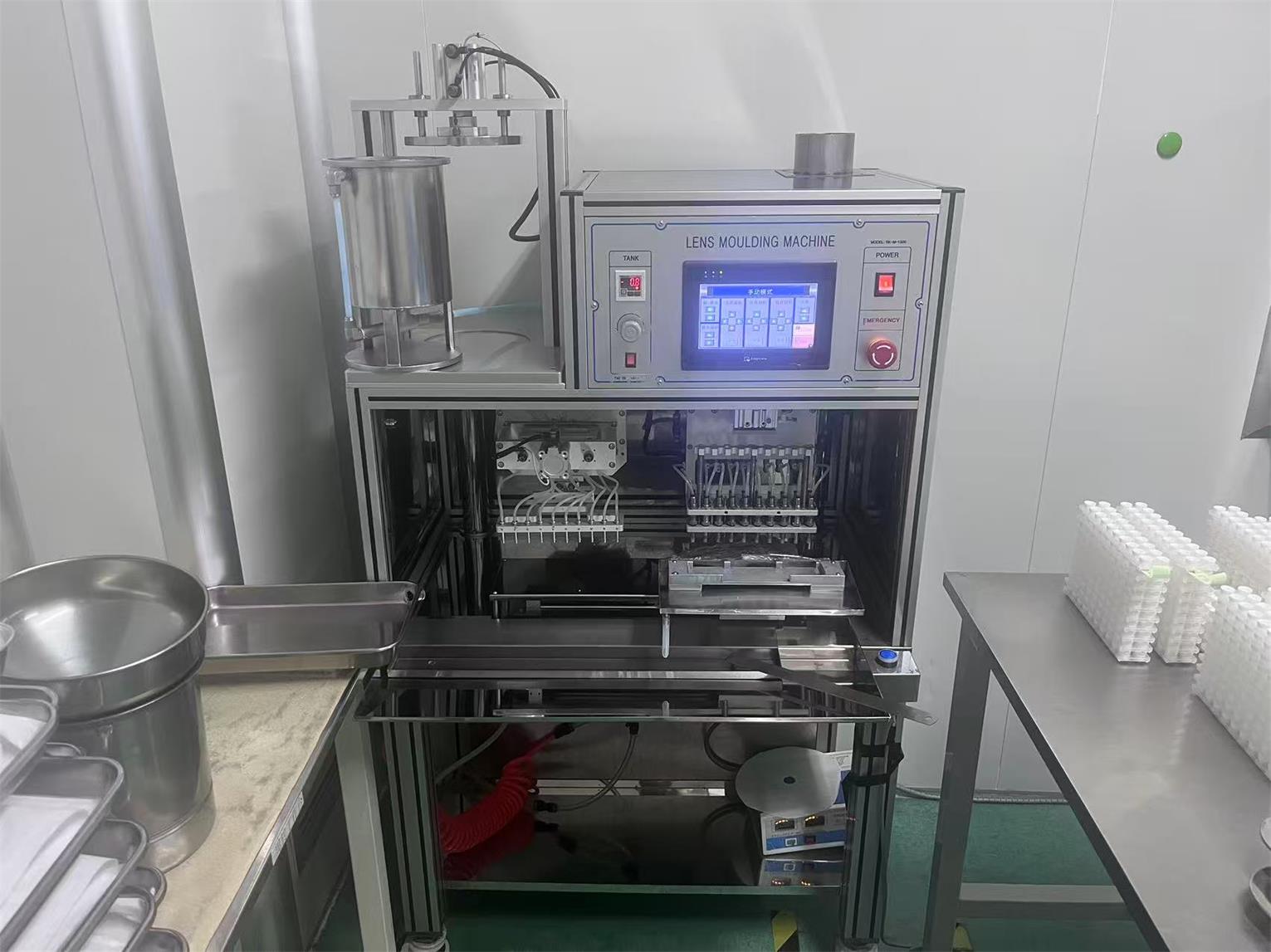
A quantitative view of automated manufacturing systems, high-speed molding structures, and material routing.
Operating out of Dongguan, the primary hub of advanced hardware production in China, Guangzhou Chroma Lenses Technology capitalizes on an optimized B2B industrial ecosystem. The local supply chain provides rapid access to high-purity chemical precursors, automated packaging systems, optical-grade mold inserts, and sterile barrier packaging. This spatial cluster of suppliers significantly cuts logistics delays, allowing us to maintain a stable, uninterrupted manufacturing output.
Under our Factory 4.0 initiative, all production steps—from dry monomers compounding to physical blister sealing—are controlled by networked PLCs (Programmable Logic Controllers) operating within an ISO 8 (Class 100,000) cleanroom environment. Ambient air filtration, humidity, and particle counts are monitored 24/7 to guarantee complete sterility. By automating the liquid monomer dosing and UV curing steps, we reduce human touchpoints, minimizing contamination risk and maintaining standard deviation of power tolerances within +/- 0.05 Diopters.
| Manufacturing Metric | Legacy Manual Lathe Cutting | Advanced Cast-Molding (Chroma Lenses) | B2B Purchasing Benefit |
|---|---|---|---|
| Daily Output per Line | 120 - 250 units | 45,000 - 60,000 units | Rapid replenishment & scaling for major brands |
| Geometric Deviation Rate | < 1.5% | < 0.05% | Zero-defect delivery reduces return ratios |
| Raw Material Yield Rate | 65% - 70% | 98.5% | Lower unit costs passed down to global buyers |
| Sanitary Level Rating | Class 10,000 (manual) | Class 100,000 (fully closed) | Ensures full compliance with international standards |
For global distributors, this automation matrix means price stability. Even amidst rising labor costs, our facility mitigates price hikes by lowering material waste and raising speed metrics. As a result, our cost structure remains highly competitive compared to Western manufacturers, without sacrificing optical safety.
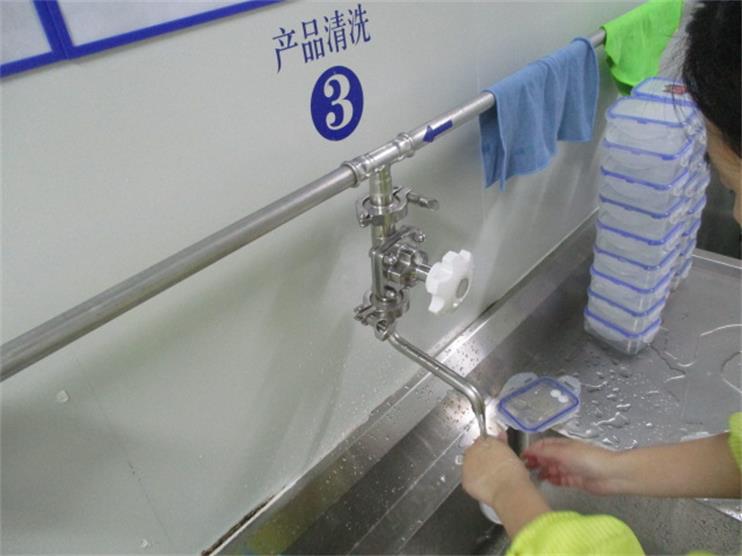
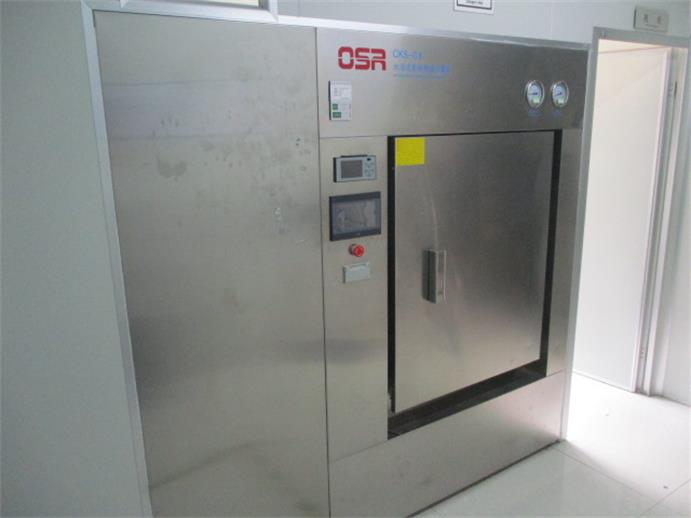
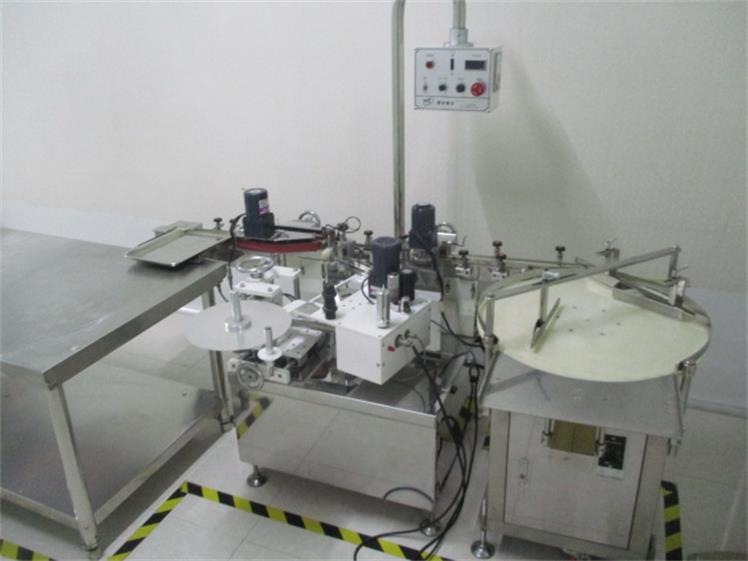
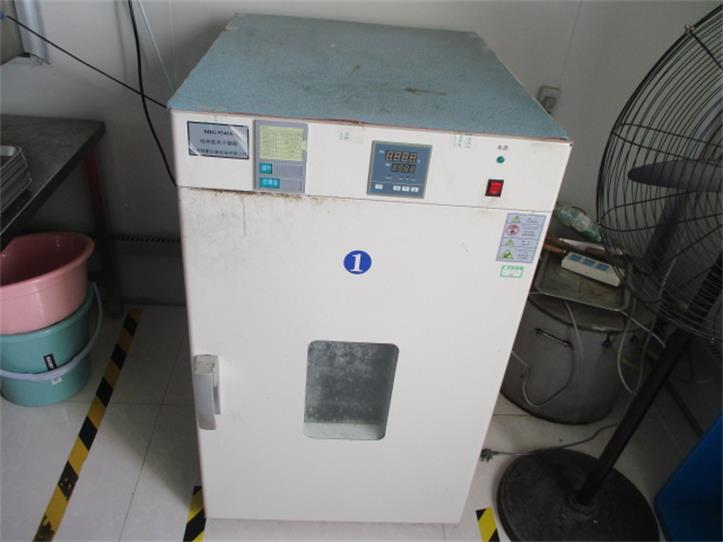
A photographic directory of our primary optical alignment, injection molding, and surface hydration validation steps.


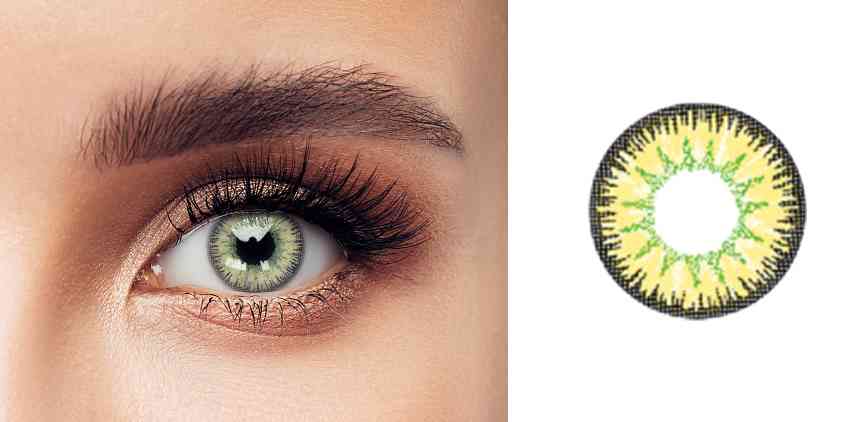


A practical blueprint for procurement officers evaluated on mechanical tolerance, material consistency, and biological safety.
Sourcing contact lenses from China requires a clear understanding of the key performance and safety metrics. Beyond basic power and base curve specifications, B2B procurement managers should evaluate suppliers on several critical parameters to protect their brand reputation:
By defining these criteria during the contracting stage, B2B importers can set clear benchmarks for quality control, preventing regulatory delays at local customs.
Navigating the complex landscape of international medical device compliance and logistics.
Contact lenses are classified as Class II (or Class III in some jurisdictions) medical devices, demanding strict compliance to protect users from corneal damage. Guangzhou Chroma Lenses Technology operates under a quality system certified to ISO 13485:2016, the international benchmark for medical device manufacturing. Our products carry CE certification, enabling seamless registration across the European Economic Area and other global markets.
To support global partners, we provide comprehensive documentation packs, including physical characterization reports, biocompatibility tests (such as cytotoxicity, systemic toxicity, and ocular irritation evaluations), and sterilization cycle logs. These documents simplify local regulatory submissions, helping B2B buyers secure import clearances from bodies like the FDA, Health Canada, or the PMDA.
Our localized support also extends to logistics. By partnering with specialist chemical and medical device freight forwarders, we manage temp-controlled shipping routes, preventing heat degradation of hydrogel materials during transport. Whether shipping via air freight for high-value custom RGPs or ocean containers for bulk retail orders, our export team manages every step from customs clearance to final delivery.
Direct technical and logistical answers for optical distributors, B2B purchasing managers, and clinical networks.
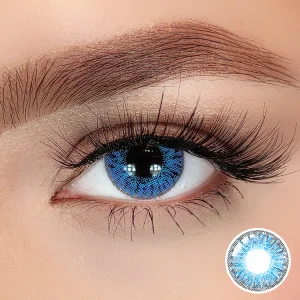
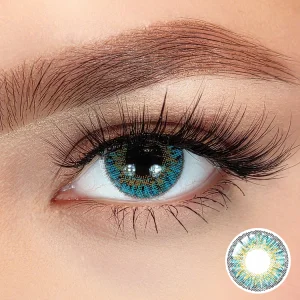
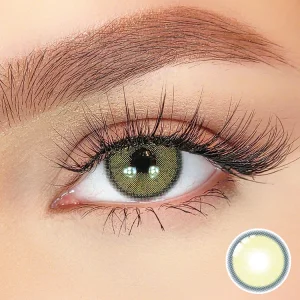
Explore our high-durability color variations and daily wear hydrogel lines, designed to expand your retail market share.
 Chroma Lenses