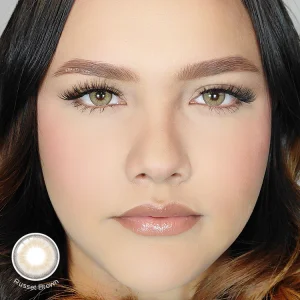
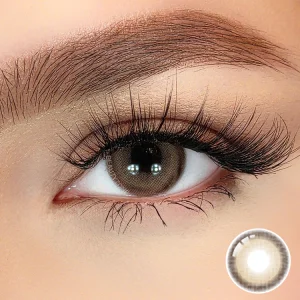
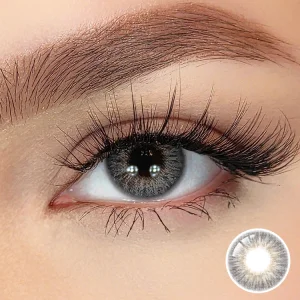
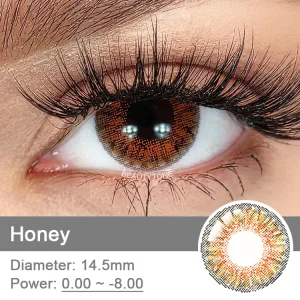
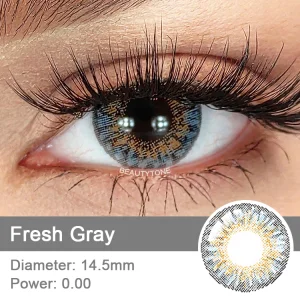
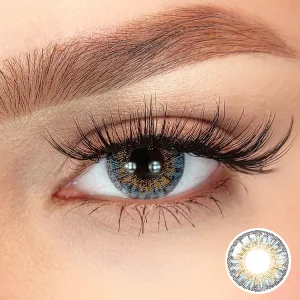
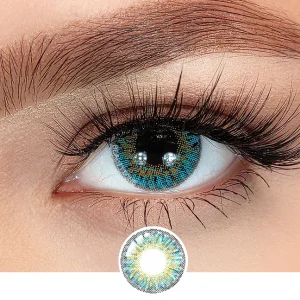
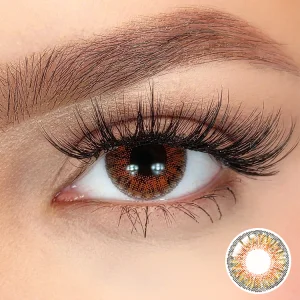
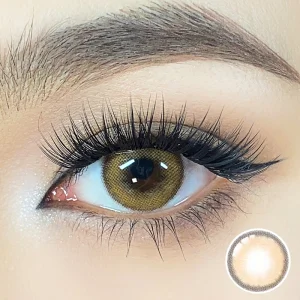
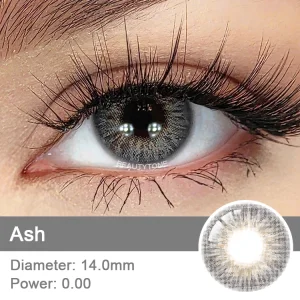
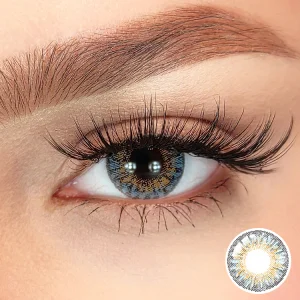
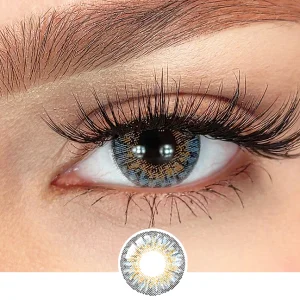
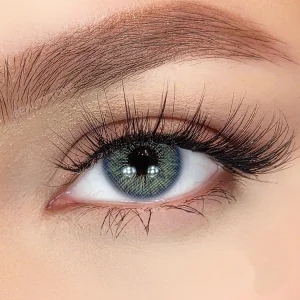
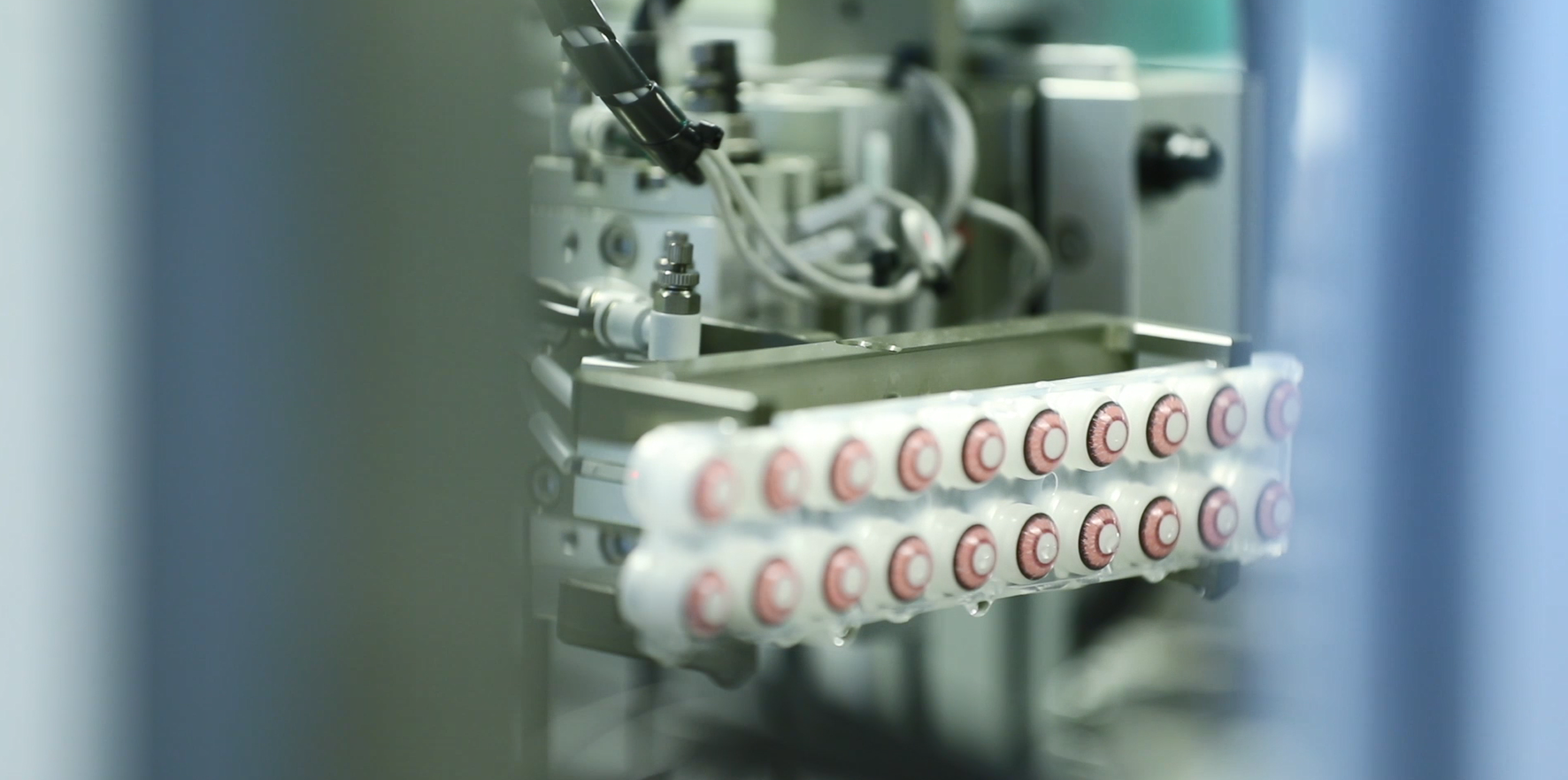
In the evolving landscape of cosmetic ophthalmology, gradient contact lenses have emerged as the gold standard for distributors seeking to merge high-fashion aesthetics with medical-grade safety. Unlike traditional solid-color lenses, gradient lenses utilize advanced pixel-dot printing and "Sandwich" color embedding technologies to mimic the intricate patterns of the human iris, providing what the industry calls "The Hyper-Natural Transition."
Guangzhou Chroma Lenses Technology Co., Ltd. stands at the forefront of the global optical supply chain. As an industrial-scale manufacturer, we specialize in the R&D and mass production of high-quality gradient contact lenses and cosmetic colored lenses.
Located in the manufacturing hub of Dongguan, China, our fully integrated facility bridges cutting-edge optical technology with robust supply chain capabilities.
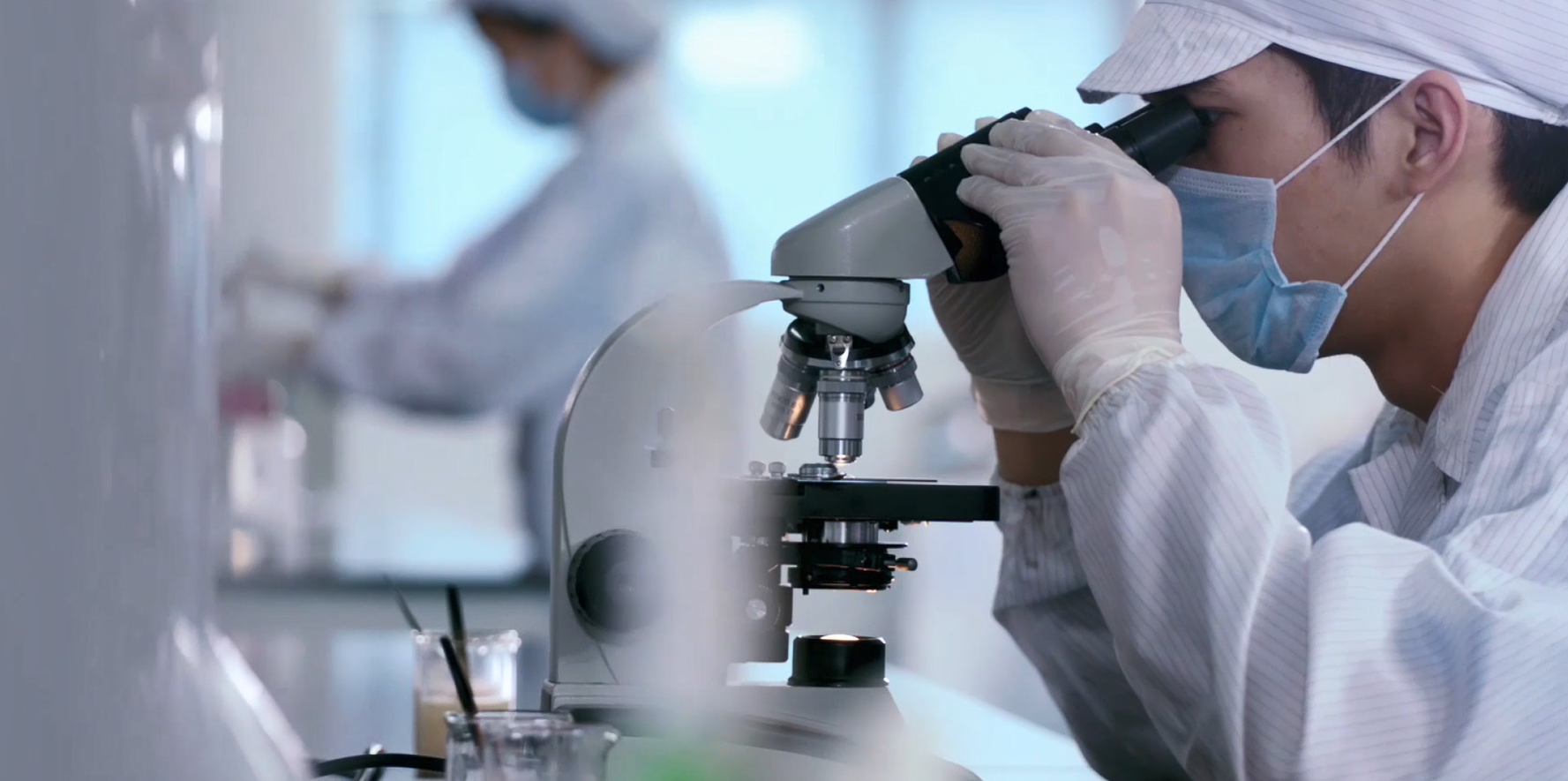
Development of high-oxygen permeability Hydrogel and Polyhema polymers for extended wear comfort.
Proprietary color-locking technology ensuring pigments never touch the ocular surface.
High-precision molds ensuring 0.001mm tolerance for base curve and diameter stability.
Automated visual inspection systems (AOI) to detect microscopic cosmetic defects.
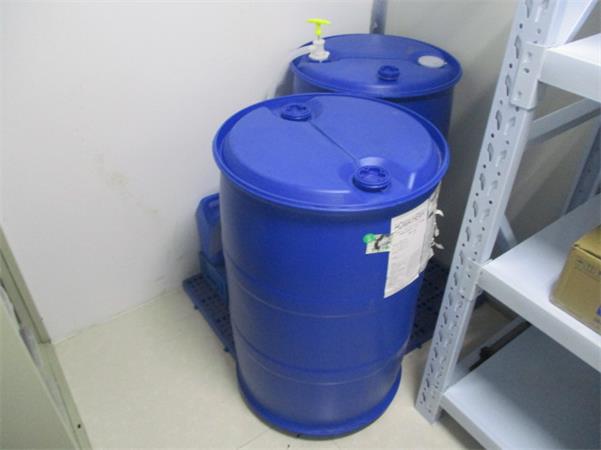
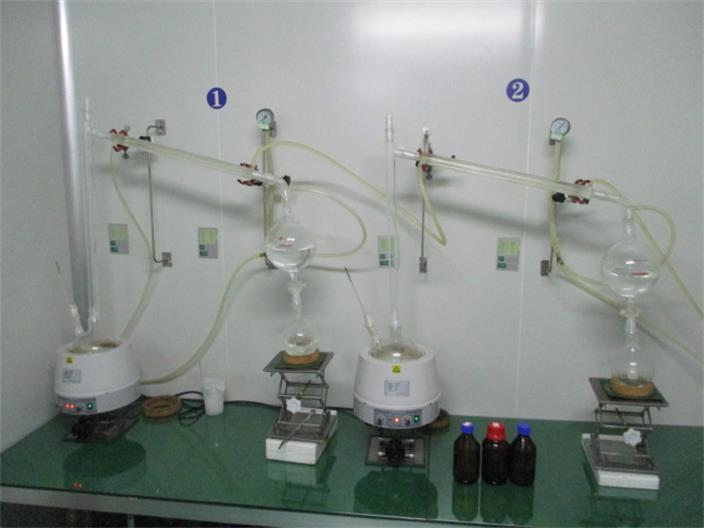
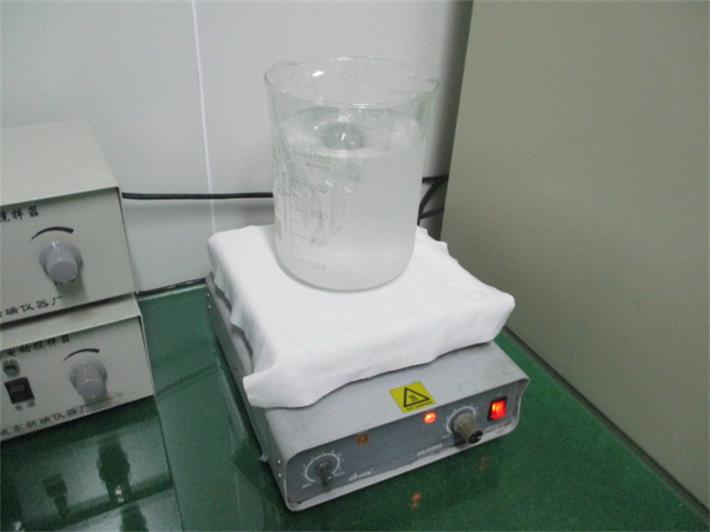
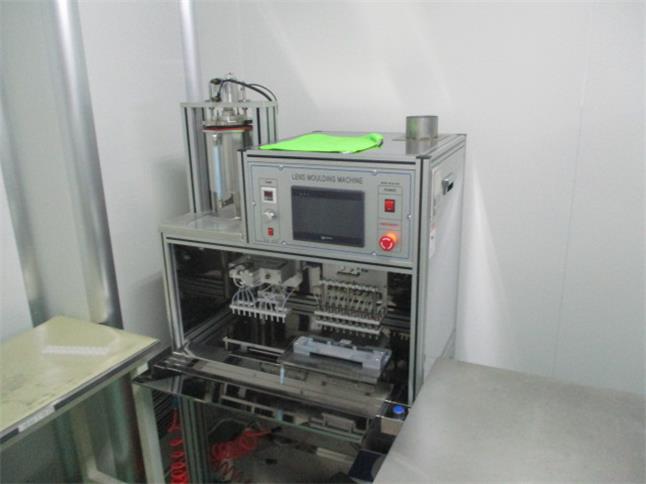
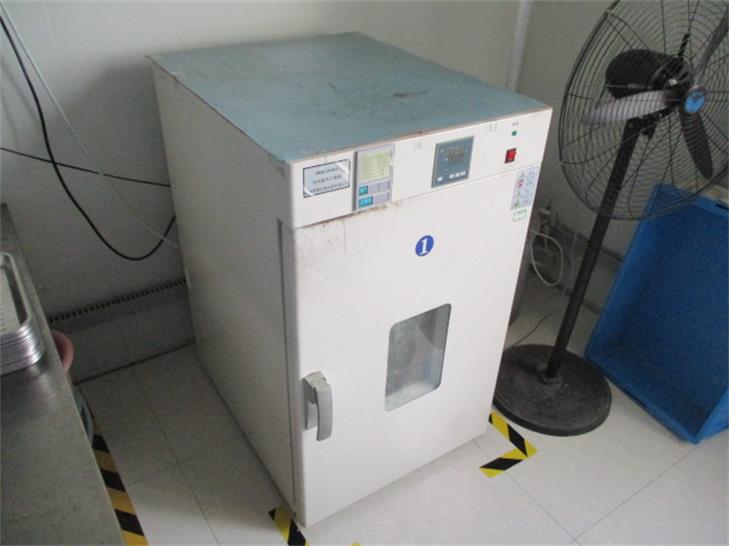
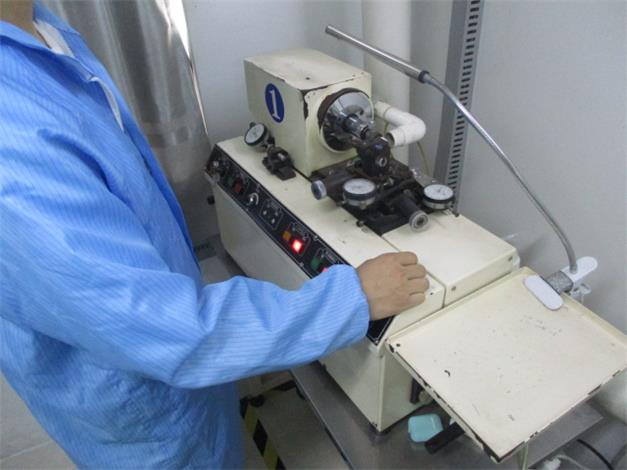
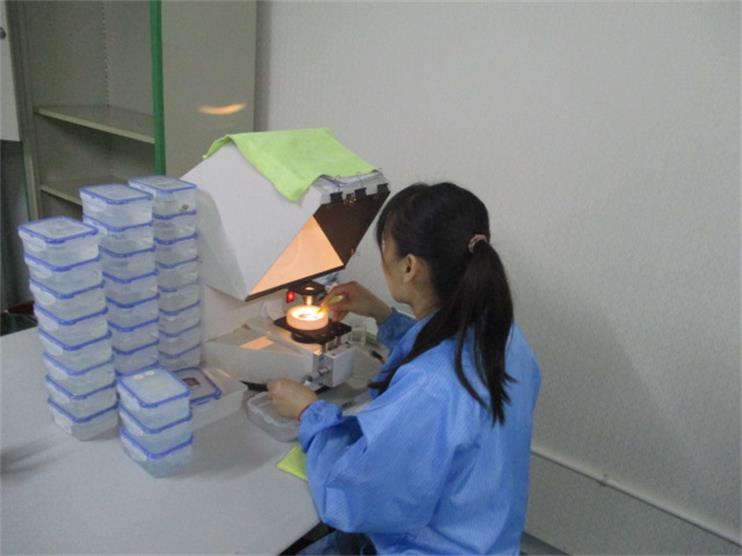
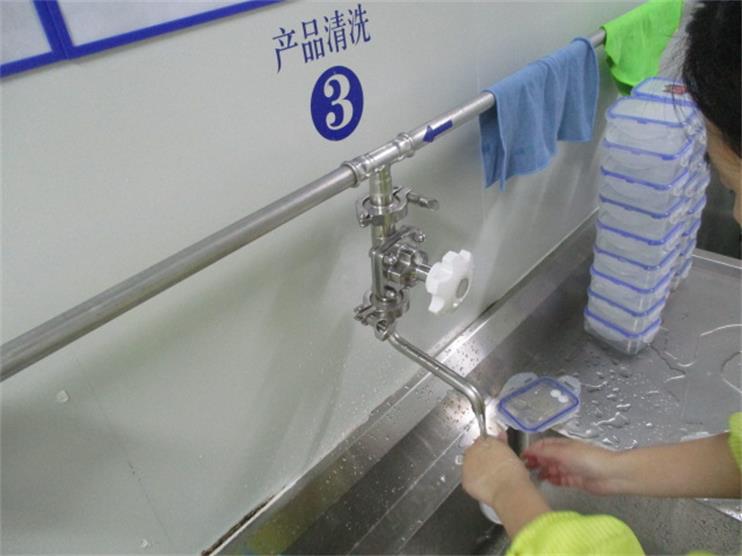
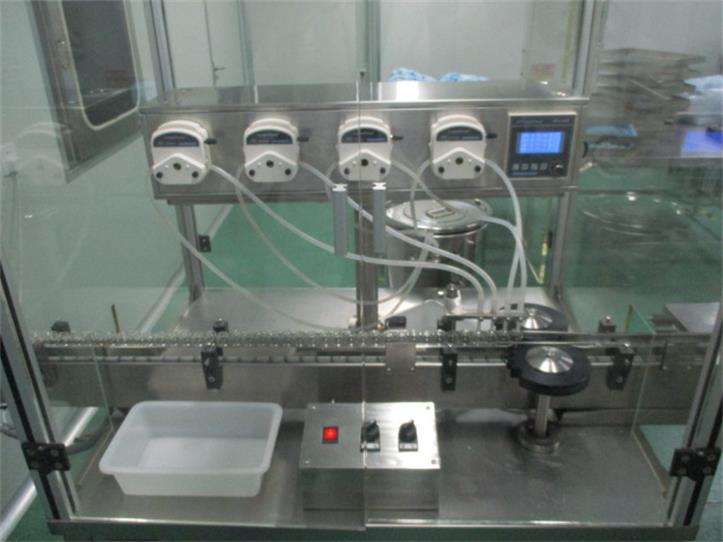
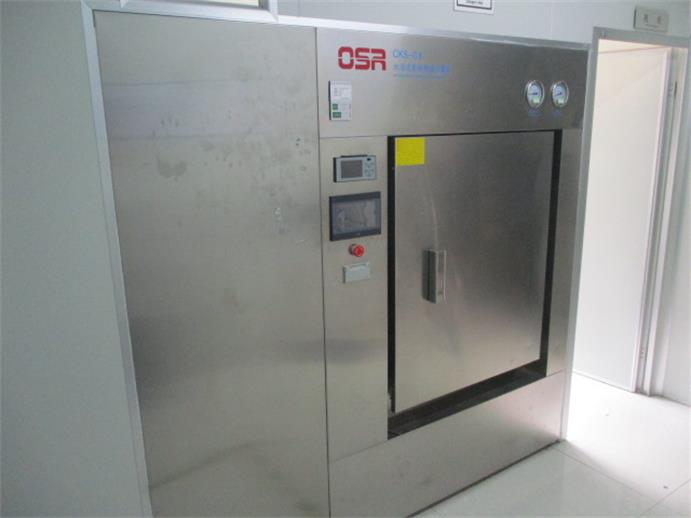
For B2B buyers—ranging from optical retail chains to independent beauty brands—the procurement of gradient contact lenses involves complex variables beyond simple unit cost. Information Gain in this sector revolves around understanding the "Total Value of Ownership," which includes shipping lead times, regulatory documentation, and marketing support.
Global distributors are currently prioritizing manufacturers who can provide Turnkey Private-Label Solutions. This includes bespoke packaging design that complies with local language requirements and health warnings specific to regions like the EU (MDR), USA (FDA), and Southeast Asia (HSA/MOH).
We provide comprehensive localized support, including documentation for import licenses and logistical optimization. By operating near major ports in South China, we ensure that global lead times are reduced by up to 25% compared to inland manufacturers.
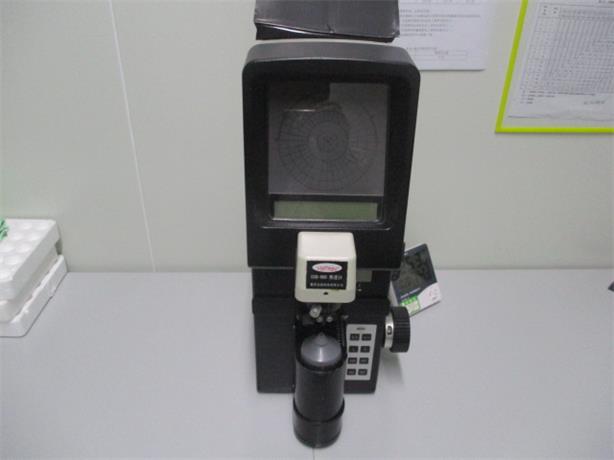 The Focal Meter
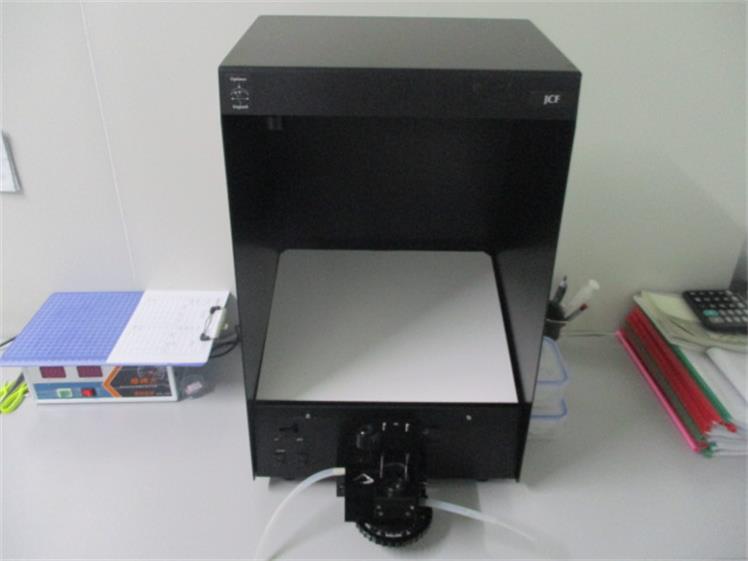 Contact Lens Tester
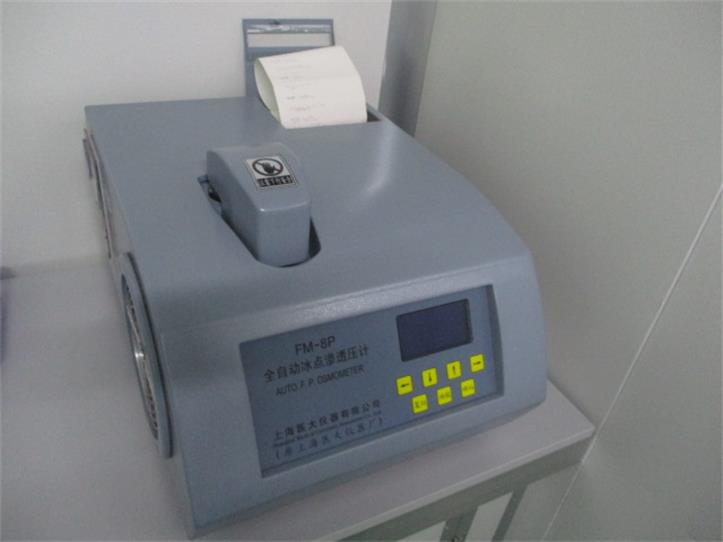 Auto.F.P.OSMOMETER
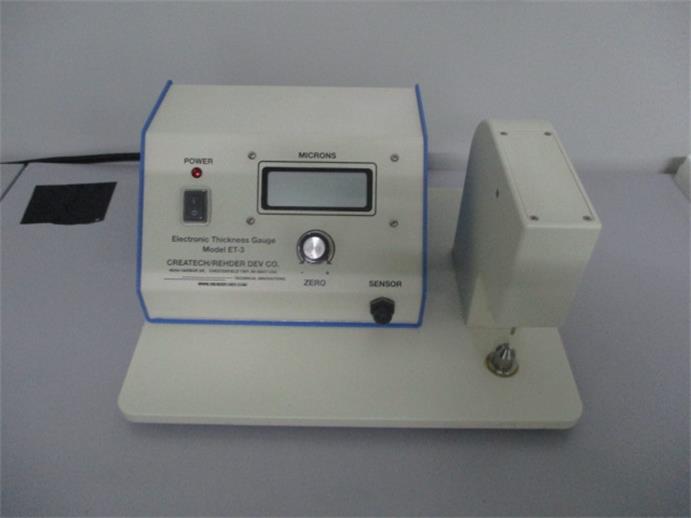 Electronic Thickness Gauge
Every batch undergoes rigorous testing to ensure ocular safety and physiological compatibility.
The next decade of gradient contact lens manufacturing will focus on Bio-Mimicry. This includes the development of lenses that react to light intensity (photochromic) and the integration of moisture-locking "Hydra-Release" polymers that provide 24-hour hydration. As a technology-driven partner, Guangzhou Chroma Lenses is already investing in AI-driven design algorithms that can generate thousands of iris patterns based on facial recognition data, ensuring the next generation of lenses is more personalized than ever before.
 Chroma Lenses